
 Electric cryo chamber
 Thermo-contrast application
 Ice bath 2.0
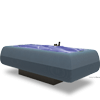 Dry Floating
 Mechanical lymphatic drainage
 IHHT altitude training
 HBOT Oxygen chamber
 Red Light Therapy
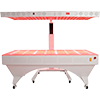 Photobiomodulation
 Cell regeneration application
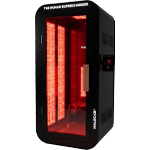 HaloCab Human Supercharger
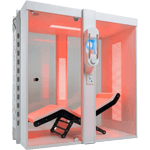 Salt and red light therapy
 Vibroacoustics
 Electromag. Pelvic floor training
 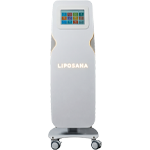 Frequency ultrasound
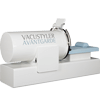 iFlow Vascular Training
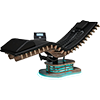 Back therapy system
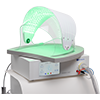 Dermio Care Plus
 Endolaser
 WeberBrain
 Body analysis
 FRAS 5
 Lounge equipment
 Mobile HRV measurement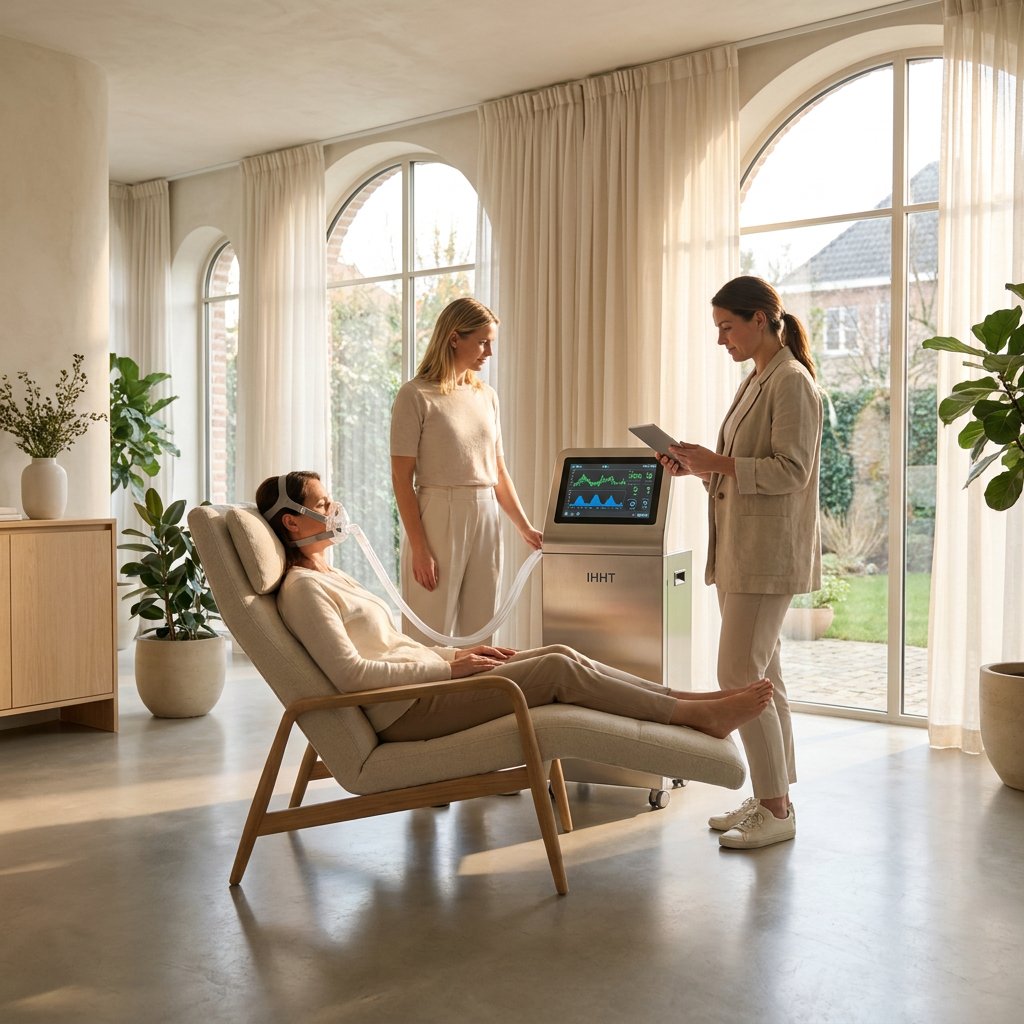
IHHT therapy stands for Intermittent Hypoxia Hyperoxia Therapy. It is a form of oxygen-based cell training in which phases of reduced oxygen and increased oxygen are alternated in a controlled setting, typically while the person rests and breathes through a mask. For providers in longevity, wellness, performance, and preventive health, IHHT is relevant because it is positioned as a low-exertion technology that can support regeneration, metabolic function, and recovery-oriented offerings.
If you are evaluating IHHT for a clinic, therapy center, fitness facility, or wellness concept, the key questions are usually simple: what it is, how it works, what it may help support, and what practical setup it requires. This page focuses on those essentials.
What is IHHT therapy?
IHHT is a structured application of alternating oxygen concentrations. During a session, a person breathes through a system that changes between lower-oxygen air and higher-oxygen air over repeated intervals. Because this is done while seated or lying down, IHHT is often described as a passive form of altitude-style training.
The underlying idea is that controlled oxygen variation acts as a stimulus for cellular adaptation. In commercial and clinical wellness contexts, IHHT is commonly discussed in connection with mitochondria, energy metabolism, stress resilience, and recovery support.
How IHHT therapy works
The concept behind IHHT is based on intermittent exposure rather than continuous oxygen reduction. Short hypoxic phases are followed by hyperoxic phases, creating a cycle that aims to stimulate adaptive processes without physical exertion. This is why IHHT is often grouped with other mild stress-based approaches used in longevity and performance settings.
Much of the interest around IHHT therapy centers on mitochondrial function. Mitochondria are responsible for cellular energy production, so they are a common focus in discussions about fatigue, recovery, metabolic efficiency, and healthy aging. IHHT is typically presented as a way to support the body’s own adaptation processes at this level.
In practical terms, the session itself is straightforward. The user relaxes while breathing through a mask, and the system alternates oxygen levels according to a defined protocol. Depending on the setup, monitoring may be used to track response during the session. If you plan to track autonomic response alongside sessions, see HRV monitoring protocols.
Potential benefits of IHHT therapy
IHHT therapy is usually positioned as a supportive technology rather than a standalone answer to complex health issues. The strongest commercial and informational relevance tends to be around broad wellness and performance goals.
- Energy and recovery support – often associated with cellular energy processes and post-stress regeneration
- Metabolic support – commonly discussed in relation to oxygen utilization and mitochondrial efficiency
- Stress resilience – frequently positioned within recovery, nervous system balance, and restorative wellness concepts
- Performance and endurance concepts – relevant for facilities that want altitude-style stimulation without exercise load during the session
- Preventive and longevity-oriented offerings – often integrated into broader concepts focused on healthy aging and regenerative wellness
These are positioning themes commonly associated with IHHT. They should be communicated carefully and in line with the intended setting, the device used, and applicable regulatory requirements.
What an IHHT session typically looks like
Most IHHT applications follow a similar basic flow:
- Preparation – the person is fitted with a mask and the session settings are prepared
- Alternating oxygen phases – reduced and increased oxygen intervals are delivered in sequence
- Resting session format – the person remains relaxed rather than exercising
- Session completion – the cycle ends after the planned interval structure is complete
Session length and frequency can vary by system, protocol, and use case. In many market examples, IHHT is delivered as a series rather than as a one-time session, especially when the goal is to integrate it into a broader recovery or preventive wellness program.
IHHT therapy compared with hyperbaric oxygen therapy
IHHT and hyperbaric oxygen therapy are not the same thing. IHHT works through alternating oxygen conditions over intervals, while hyperbaric approaches use increased pressure together with oxygen delivery. They differ in equipment, user experience, and positioning within the market.
For operators and concept developers, the practical distinction is often more important than the label. IHHT is generally considered a seated or reclining, low-exertion application built around oxygen interval training. That makes it relevant for facilities looking for an accessible oxygen-based addition to performance, regeneration, or preventive wellness concepts. For a more detailed technology comparison, see IHHT vs HBOT for clinics.
When IHHT is relevant for a facility concept
IHHT is most relevant when you are building or expanding a service portfolio around recovery, longevity, preventive wellness, or performance support. It can be a useful fit for wellness and beauty operators who want a technology-led offering that is easy to understand from the client perspective and can be integrated into a broader experience rather than sold as an isolated intervention.
Typical concept environments include:
- Clinics and therapy centers looking to expand preventive and regenerative offerings
- Fitness and performance facilities that want recovery and biohacking-oriented services
- Hotels, resorts, and spas adding premium wellness technology to guest programs
- New health projects where oxygen-based training is being evaluated as part of a larger longevity concept
The key decision is not only whether IHHT is interesting scientifically or commercially, but whether it fits your target audience, operational model, staff capabilities, and overall business concept. Strategic planning can also benefit from a broader longevity technology roadmap for wellness operators.
What to consider before integrating IHHT
If you are assessing IHHT for your business, focus on implementation quality rather than hype. Important evaluation points include device suitability, intended use setting, user guidance, staff onboarding, workflow integration, and how the technology fits into your wider service model.
For a category overview of systems and specifications, see altitude training equipment for clinics. If you are comparing systems, our guide to buying an IHHT machine can help clarify selection criteria. When you plan the physical setup and client flow, consult recovery room layout planning. Operators ready to proceed can purchase an IHHT altitude training device.
FAQ
What is IHHT therapy used for?
IHHT therapy is commonly used within wellness, regeneration, performance, and longevity-focused settings. It is typically positioned as a supportive oxygen-based training format rather than as a universal solution for medical conditions.
What is the difference between hyperbaric and IHHT?
IHHT uses alternating low-oxygen and high-oxygen intervals, usually in a relaxed seated or reclining session. Hyperbaric oxygen therapy uses increased pressure and a different technical setup. The two approaches differ in mechanism, equipment, and market application.
What are the benefits of intermittent hypoxia therapy?
Commonly cited benefits include support for recovery, energy metabolism, stress resilience, and performance-related concepts. The exact relevance depends on the protocol, setting, device, and how the therapy is integrated into the wider program.
Is IHHT physically demanding?
No, IHHT is generally presented as a low-exertion application because the person typically remains at rest during the session while breathing through a mask.
Can IHHT be integrated into an existing wellness or health concept?
Yes, IHHT is often considered for integration into clinics, therapy centers, fitness facilities, and hospitality wellness concepts. The best results usually come from aligning the technology with a clear target group, service model, and operational plan.