
 Electric cryo chamber
 Thermal contrast
 Ice bath 2.0
 Dry Floating
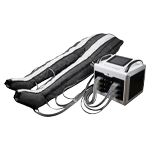 Lymphatic drainage
 Multisensory Regeneration Cabin
 IHHT altitude training
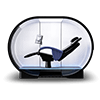 HBOT Oxygen chamber
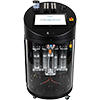 Water Plasma Application
 Red Light Therapy
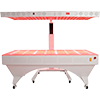 Photobiomodulation
 Cell regeneration
 Endolaser
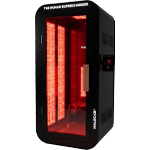 HaloCab Human Supercharger
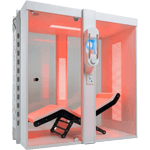 Salt & Red Light
 Vibroacoustics
 Magnetic Field Applications
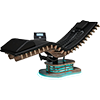 Back therapy system
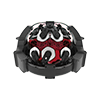 WeberBrain
 Pelvic floor training
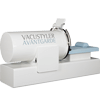 iFlow® IVT Therapy
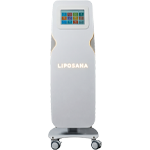 Frequency ultrasound
 Dermio Care Plus
 Lounge equipment
 Health of Point Diagnostics
 Body analysis
 FRAS 5
 Mobile HRV measurement


A heart rate variability monitor helps you measure changes in the time between heartbeats to better understand stress load, recovery, and autonomic nervous system balance. For clinics, performance facilities, and wellness operators, HRV monitoring can add a practical data layer to consultations, recovery concepts, and preventive health services. The key is choosing a system that is easy to use, reliable in daily operation, and clear enough for both staff and clients to understand.
Position your facility as a longevity destination.
In a 30-minute session, we'll assess which longevity and biohacking technologies fit your space, your clientele, and your business model — and which don't.
Arrange a ConsultationWhat a heart rate variability monitor measures
Heart rate variability, often shortened to HRV, is the variation in the interval between one heartbeat and the next. A higher or lower value is not automatically good or bad on its own. What matters most is context, consistency of measurement, and how a person’s readings change over time.
HRV is commonly used to assess how the autonomic nervous system is responding to physical and mental load. In practical terms, that can support conversations around recovery, stress resilience, training readiness, and general regenerative status. This is why HRV monitors are widely used in performance, preventive wellness, and recovery-oriented concepts.
Why HRV monitoring is useful in practice
A useful HRV monitor does more than collect numbers. It should make it easier to identify patterns, explain results, and turn measurements into actionable next steps. In a professional setting, HRV can support:
- Stress and recovery check-ins – adding an objective measurement to a broader wellness or regeneration assessment
- Progress tracking – comparing repeated measurements over time instead of relying on a single snapshot
- Client communication – making invisible factors such as recovery pressure or autonomic load easier to discuss
- Service differentiation – integrating measurable data into premium wellness, longevity, or performance offerings
Because HRV is influenced by sleep, training, hydration, alcohol, illness, psychological strain, and daily routine, it works best as a trend-based metric rather than a standalone diagnosis tool.
How to measure heart rate variability well
If you want meaningful HRV data, measurement conditions matter. Comparing readings taken under very different circumstances often creates noise instead of insight. A good measurement process should stay as standardized as possible.
- Use the same method each time – changing device type or sensor placement can affect comparability
- Measure under similar conditions – for example at rest, in a calm environment, and at a comparable time of day
- Look at trends, not isolated results – one low reading is rarely the full story
- Interpret HRV with context – training load, sleep quality, travel, stress, and recent illness can all influence the result
For professional use, chest strap based measurement is often preferred when accuracy and stable signal quality are important. This is especially relevant if the goal is structured assessment rather than casual consumer tracking.
A practical option: mobile HRV measurement
HF Concepts offers a mobile HRV measurement system designed as an all-in-one setup for measuring and analyzing heart rate variability. The confirmed format is a preconfigured chest strap combined with tablet-based software, which supports a more structured workflow than generic consumer wearables.
The system includes HRV measurement, software on a tablet, PDF report export, and delivery as a complete package. Measurement data is displayed and professionally evaluated within the software, making it easier to use HRV in a clear and repeatable way during consultations or wellness assessments.
This type of setup can be especially relevant if you are looking for:
- A guided HRV assessment process instead of casual background tracking
- A chest strap based solution rather than a wrist or finger wearable
- Clear reporting output for client communication and documentation
- Implementation advice alongside the technology itself
When planning where an HRV station fits into your space, see the practical guidance in recovery room layout planning.
To decide which devices belong in a recovery or assessment area, review the recovery room equipment list.
Who an HRV monitor can be a fit for
An HRV monitoring system can make sense for organizations that want to integrate measurable recovery or stress insights into an existing service concept. That may include private clinics, therapy centers, performance facilities, health clubs, spas, and wellness and beauty operators.
The strongest use case is usually not the device alone, but the way it is integrated into a broader offer. A good concept connects measurement, interpretation, staff workflow, and positioning so the technology supports both user value and business value.
Limits of HRV data you should keep in mind
HRV is useful, but it should not be oversold. It is a supportive physiological marker, not a standalone medical verdict. Readings can vary significantly between individuals, and even normal day-to-day changes may be influenced by sleep, routine, and external stressors.
That is why the best approach is usually simple: measure consistently, interpret cautiously, and use HRV as one input among others. In professional settings, this helps keep the conversation science-based, practical, and credible.
Ready to add a proven revenue stream?
From cryotherapy to hyperbaric oxygen — explore our full portfolio and request pricing for your facility.
Get a QuoteFAQ
How can I check my HRV at home?
You can check HRV at home with a compatible sensor and software that records heartbeat intervals. For more useful results, measure in a calm resting state and keep the conditions as consistent as possible each time.
Is 37 a low HRV?
It may be low for one person and normal for another. HRV should not be judged well without context, because age, fitness, stress, sleep, and measurement method all influence the number. Personal baseline and trend are usually more meaningful than a single value.
Why do some professionals use HRV cautiously?
Because HRV is sensitive to many variables and can be misread when taken out of context. It can be very useful as part of a structured assessment, but it is not a standalone diagnosis and should be interpreted with appropriate care.
What is normal HRV by age?
HRV generally changes with age, but there is no single normal number that applies to everyone. Different devices and measurement methods also produce different ranges, so long-term personal comparison is usually more useful than broad generic charts.
If you are evaluating HRV monitoring for a clinic, wellness concept, or performance setting, an independent, practical implementation approach matters just as much as the technology itself. HF Concepts supports providers with consultation around how health technologies fit into usable, future-oriented service concepts, including broader diagnostic solutions, complementary body analysis, and strategic guidance such as the longevity technology roadmap for wellness operators.
If you are comparing systems for a professional environment, the biohacking equipment procurement checklist can help you evaluate HRV monitors and related tools.