
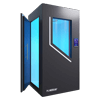
 Electric cryo chamber
 Thermo-contrast application
 Ice bath 2.0
 Dry Floating
 Mechanical lymphatic drainage
 IHHT altitude training
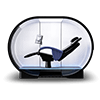 HBOT Oxygen chamber
 Red Light Therapy
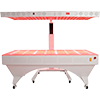 Photobiomodulation
 Cell regeneration application
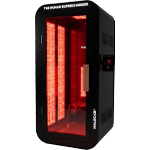 HaloCab Human Supercharger
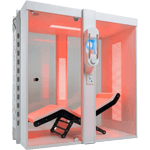 Salt and red light therapy
 Vibroacoustics
 Electromag. Pelvic floor training
 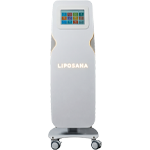 Frequency ultrasound
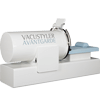 iFlow Vascular Training
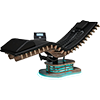 Back therapy system
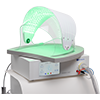 Dermio Care Plus
 Endolaser
 WeberBrain
 Body analysis
 FRAS 5
 Lounge equipment
 Mobile HRV measurement
A well-planned recovery room can strengthen your offer, improve the client experience, and create new revenue opportunities without turning your space into a complicated operational project. For clinics, practices, and gyms, the goal is not to add technology for its own sake, but to build a regeneration area that fits your workflow, audience, and business model. HF Concepts supports operators with manufacturer-independent consulting, technology selection, and integration support for recovery and regeneration concepts.
If you are planning a recovery room setup for clinics and gyms, the most important decisions are usually space use, technology mix, staffing requirements, and how the offer fits into your existing services. The right concept should feel practical from day one and scalable over time. A practical way to structure decisions is to start from a curated recovery room equipment list tailored to your space and goals.
What a strong recovery room setup needs to achieve
The best recovery rooms are designed around outcomes, not trends. In a gym, the room should support post-workout regeneration, increase perceived membership value, and add services that members will actually use. In a clinic, practice, or therapy setting, the room should complement existing workflows and support regeneration, body awareness, or therapy-accompanying self-pay services in a professional environment.
That means a good setup should do four things well:
- Fit the space – work within the available footprint without disrupting your core operation
- Fit the audience – match the needs of members, patients, or performance-focused clients
- Fit the workflow – be realistic in terms of supervision, scheduling, hygiene, and staff involvement
- Fit the business model – support retention, premium positioning, or additional revenue in a measurable way
Choose technologies based on your concept, not on hype
Recovery rooms can include very different modalities depending on the operator and target group. The right mix depends on whether your priority is athletic regeneration, wellness positioning, therapy support, or high-value preventive health services.
HF Concepts works with recovery and regeneration solutions such as cryotherapy, red light and photobiomodulation, compression, lymphatic drainage-related applications, dry floating, IHHT altitude training, HBOT oxygen chamber solutions, and other cell regeneration-oriented technologies. Not every project needs multiple systems. In many cases, a smaller, better-matched concept performs better than an overloaded room.
Technologies often considered for gyms and performance spaces
- Cryotherapy for regeneration-focused positioning and strong differentiation
- Compression-related applications for practical post-workout recovery use cases
- Red light or photobiomodulation for a low-threshold recovery and wellness offer
- Dry floating for relaxation and nervous system downregulation within a premium recovery concept
Technologies often considered for clinics, practices, and therapy environments
- Red light or photobiomodulation where a calm, therapy-adjacent regeneration offer makes sense
- Compression and regeneration applications that fit structured appointments or guided use
- Biohacking devices for clinics such as IHHT altitude training where performance, preventive, or resilience-oriented concepts are relevant
- HBOT oxygen chamber solutions for operators building a more advanced health-tech offering
The right selection depends on your positioning, budget logic, available staff capacity, and regulatory context. A manufacturer-independent approach matters here because it helps you compare options based on fit, not on a single vendor’s sales agenda.
Plan the room around flow, privacy, and usability
Most recovery rooms underperform because they are planned as equipment storage, not as a user experience. Even when the footprint is limited, the room should be easy to understand and comfortable to use.
Focus on these planning principles:
- Clear user flow – clients should understand where to start, where to wait, and how sessions move from one application to the next
- Appropriate privacy – especially important in clinics, physiotherapy settings, and premium gym concepts
- Simple orientation – signage and brief instructions reduce staff dependency
- Operational separation – keep cleaning supplies, consumables, and staff tasks organized away from the visible guest experience where possible
- Scalable layout logic – leave room to add or swap technologies later if demand grows
Thoughtful lounge equipment can also make waiting and transition areas more comfortable without complicating supervision. If you are considering whole-body cryotherapy, confirm room size, ventilation, and compliance early against applicable cryotherapy chamber safety standards.
For smaller spaces, it is usually smarter to start with one or two clearly positioned applications than to force too many devices into the room. A compact regeneration zone can still feel premium when the concept is coherent and the process is easy for the user. For cold exposure in compact rooms, an ice bath 2.0 can be easier to integrate than a full cryotherapy unit.
How clinics and gyms differ in recovery room planning
Clinics and gyms may both want a recovery room, but the planning logic is not identical.
In gyms and performance facilities
The recovery room often supports member retention, premium upsells, and differentiation in a competitive market. Ease of use matters a lot. Many operators in fitness clubs and EMS studios benefit from solutions that can work with minimal supervision, short onboarding, and smooth integration into pre- or post-workout routines.
In clinics, practices, and therapy centers
The room usually needs to fit more closely into existing appointments, therapy-adjacent services, and a professional care environment. Privacy, guided use, documentation processes, and patient comfort tend to carry more weight than high-throughput member access.
This is why copying a gym recovery lounge into a medical or therapy setting usually does not work well. The strongest concepts are designed around the actual operating model of the facility and often align with broader physiotherapy and medical practice concepts.
Start with a commercially realistic model
A recovery room should strengthen your business, not just your brand image. Before selecting technologies, define how the room will be used and paid for.
Common models include:
- Premium add-on service for existing members or patients
- Bundled recovery packages linked to training, therapy, or preventive programs
- Standalone appointments for selected regeneration applications
- Higher-value positioning that supports retention and overall offer quality
For gyms, the business case is often linked to retention, upgrades, and better use of underutilized space. For clinics and practices, it is often linked to self-pay services that complement the existing treatment environment. In both cases, the room works best when the offer is easy to explain, easy to book, and clearly connected to client goals.
Think through staffing, hygiene, and daily operation early
Operational simplicity is one of the biggest success factors in recovery room setup for clinics and gyms. A room that looks impressive on paper can become difficult to run if the daily process has not been thought through.
Clarify the following before implementation:
- Who introduces the application to first-time users
- Which modalities require closer supervision and which are easier to integrate into self-service or semi-guided use
- How appointments or access are scheduled to avoid bottlenecks
- How cleaning and hygiene routines are handled between users
- What staff need to know for safe, consistent, and professional use
HF Concepts supports operators not only with technology selection, but also with the conceptual integration of devices into existing workflows. That matters because the quality of the concept often determines whether the technology becomes a profitable part of the business or remains underused.
A phased setup is often the smartest approach
Not every facility needs a full multi-technology regeneration area at launch. In many cases, the better decision is to start with a focused concept, validate demand, and expand in a second phase.
A phased approach can help you:
- Reduce upfront complexity
- Learn what your clients actually use
- Train staff more effectively
- Expand with more confidence once usage patterns are clear
This is especially relevant in the DACH market, where operators often need a concept that is economically sound, professionally credible, and aligned with real operational constraints.
Why independent planning matters
Recovery technology categories are growing quickly, but more choice does not automatically lead to better decisions. If you are comparing cryotherapy, photobiomodulation, compression, dry floating, IHHT, HBOT, or other regeneration technologies, the key question is not which one is most visible in the market. It is which combination fits your target group, space, workflow, and investment logic.
HF Concepts takes a manufacturer-independent approach and supports operators from concept development and needs analysis to device selection and integration. For clinics, practices, and gyms that want to build a future-oriented recovery area without relying on vendor-driven recommendations alone, this creates a much stronger basis for decision-making. This can also be framed within a broader longevity technology roadmap and supported by a practical equipment procurement checklist when moving toward implementation.
FAQ
What should be in a gym recovery room?
A gym recovery room should include only the applications that match your member profile, available space, and staffing model. Common directions include cryotherapy, compression-related applications, red light or photobiomodulation, and dry floating. The best setup is easy to use, clearly positioned, and commercially realistic.
How do you plan a recovery room in a small space?
Start with one or two applications that fit your main use case and keep the user flow simple. Prioritize clear access, privacy where needed, basic orientation, and enough space for cleaning and daily operation. A smaller room with a focused concept usually works better than a crowded room with too many modalities. Comfortable lounge equipment can also improve usability in waiting or transition areas without overcomplicating the room.
Can a clinic use a recovery room as part of a self-pay service model?
Yes, if the concept fits the existing workflow and the applications are positioned appropriately within the practice or therapy setting. Many operators look at regeneration, body awareness, and therapy-accompanying services as ways to expand their offer. The exact model should be planned carefully in line with the facility’s positioning and regulatory framework.
What is the first step before choosing recovery equipment?
The first step is defining the purpose of the room: who it is for, how it will be used, and what role it should play in your business model. Once that is clear, technology selection becomes much easier and more objective.