If you are planning a recovery room for a clinic, therapy center, wellness concept or performance facility, the right equipment mix matters more than the longest checklist. A good recovery room should support regeneration, fit your target group, and work operationally in your space. This guide focuses on the core equipment categories that usually deserve attention first, so you can compare options more clearly and plan with purpose.
The term “recovery room” can mean very different things depending on the setting. In this context, it refers to a regeneration or recovery area designed to support post-exertion recovery, wellness applications, or performance-focused regeneration, not a hospital PACU for immediate post-anesthesia monitoring.
Position your facility as a longevity destination.
In a 30-minute session, we'll assess which longevity and biohacking technologies fit your space, your clientele, and your business model — and which don't.
The best recovery room equipment list depends on your concept, but most professional recovery spaces are built around a small number of core categories:
Cold exposure systems for recovery-focused temperature applications
Thermo-contrast equipment for alternating hot and cold protocols
Compression and lymphatic systems for circulation-oriented recovery sessions
Oxygen and altitude-based systems for specialized regeneration or performance concepts
Light-based recovery technologies such as red light therapy
Relaxation and lounge equipment for lower-threshold recovery use
Not every room needs every category. In many projects, a smaller and well-matched setup performs better than a crowded room with too many disconnected devices. Depending on your model, some facilities also include IV therapy as part of their offer; see IV infusion solutions for an overview of options and planning considerations.
Core recovery room equipment categories
Cold chambers
Electric cold chambers are often considered when a facility wants a premium recovery offer with strong visual impact and structured user sessions. They are typically chosen for concepts centered on regeneration, wellness differentiation, and performance positioning. Facilities evaluating a cryotherapy chamber usually do so to anchor a premium, high-throughput cold experience.
When evaluating this category, the main planning questions are practical: available space, user throughput, staff supervision, contraindication management, and how the system fits the rest of the recovery journey.
Ice bath systems
An ice bath system is a common option for recovery spaces that want a recognizable cold exposure format without building the room around a chamber. It can suit performance centers, wellness operators, and hybrid concepts where guided cold use is part of a broader regeneration offering.
Key comparison points usually include hygiene processes, ease of operation, placement requirements, and whether the experience should be highly guided or more self-directed within defined safety rules.
Thermo-contrast systems
Thermo-contrast systems support alternating hot and cold applications. They are especially relevant when the goal is to create a more complete regeneration circuit rather than offering a single modality on its own.
This category can be attractive for operators who want a clear session flow, stronger experiential value, and a concept that feels more developed than a standalone recovery device.
Dry floating
Dry floating bed equipment is designed for deep relaxation without direct contact with water. In a recovery room, it can add a calmer and more accessible component for users who are not looking for intense cold exposure or performance-focused protocols.
It is often a useful category when the room should appeal to a broader audience, including wellness guests, stressed professionals, or recovery users who prioritize relaxation.
Compression and lymphatic recovery systems
Maschinelle lymphatic drainage and other compression-based systems are well suited to recovery areas that want guided, seated or reclined sessions with relatively simple user handling. They can fit clinics, sports settings, and hospitality concepts where comfort and repeat usage are important.
These systems are often attractive because they are easier to integrate into a lounge-style environment than some larger installations. They can also complement cold, oxygen, or light-based technologies rather than competing with them.
Red light therapy
photobiomodulation (red light) therapy is often selected for recovery rooms that want a modern, technology-led offer with broad appeal across wellness, regeneration, and performance positioning. It can work as a standalone station or as part of a multi-step recovery circuit.
From a planning perspective, the main questions are session format, room layout, user guidance, and how prominently you want light-based recovery to feature in your concept.
HBOT oxygen chambers
HBOT oxygen chambers are a more specialized category and typically require more careful concept planning than entry-level recovery tools. They are usually considered by operators building a higher-end, medically adjacent, or premium performance and regeneration offering. If you are assessing an investment, compare options for a hyperbaric oxygen chamber in the context of your clinical model and user base.
Because this is a more complex investment, equipment selection should be tied closely to target audience, staffing model, regulatory requirements, and the commercial role the chamber will play within the wider business model.
IHHT altitude training systems
IHHT systems are relevant when a recovery room is meant to bridge regeneration and performance optimization. This category is more niche than lounge equipment or cold systems, but it can be highly relevant for performance centers and advanced health concepts.
Its value depends less on trend appeal and more on whether it fits the profile of your users and the expertise of your team.
Massage and recovery lounge equipment
Well-chosen lounge equipment for recovery areas can make a room more usable, more approachable, and easier to monetize across a wider audience. Massage chairs and similar lounge-oriented solutions are especially useful in recovery areas, wellness spaces, and concepts that need lower operational complexity.
They also help create a more complete experience around higher-intensity technologies by giving users a comfortable entry point or a calmer final stage in the session journey.
How to choose the right equipment mix
A strong recovery room equipment list is not just a list of devices. It should reflect four practical decisions:
Target group – athletes, therapy clients, wellness guests, clinic patients, or mixed audiences
Use case – regeneration, relaxation, performance support, premium wellness, or a hybrid concept
Operational model – staff-guided sessions, semi-guided use, or lower-supervision lounge applications
Commercial role – flagship attraction, membership add-on, premium upsell, or part of a broader health concept
These decisions usually narrow the shortlist quickly. For example, a performance-focused facility may prioritize cold exposure, compression, and IHHT, while a hospitality operator may lean more toward dry floating, red light therapy, and recovery lounge equipment.
A practical way to structure your recovery room equipment list
Equipment category
Best suited for
Main planning focus
Cold chambers
Premium recovery and performance concepts
Space, supervision, session flow
Ice bath systems
Sports, wellness, hybrid recovery rooms
Hygiene, usability, placement
Thermo-contrast systems
Multi-step regeneration concepts
Experience design, room integration
Dry floating
Relaxation-led wellness and broader audience appeal
User comfort, concept fit
Compression and lymphatic systems
Repeat-use recovery areas and lounge formats
Comfort, workflow, capacity
Red light therapy
Technology-led wellness and regeneration spaces
Session design, room layout
HBOT oxygen chambers
Higher-end specialized concepts
Complexity, staffing, business case
IHHT systems
Performance and advanced health concepts
Audience fit, expertise, positioning
Massage and lounge equipment
Accessible, scalable recovery environments
User experience, turnover, ease of use
Common planning mistakes
Choosing equipment by trend instead of concept – A popular device is not automatically the right fit for your users or business model.
Overbuilding the room – Too many systems can increase complexity without improving the user journey.
Ignoring operations – Staffing, training, session timing, and cleaning procedures matter as much as the technology itself.
Underestimating positioning – Recovery equipment should support a clear offer, not sit in the room without a defined role.
Separating technology from profitability – The strongest concepts connect equipment selection with pricing, utilization, and long-term business viability.
From equipment list to workable recovery concept
If you are comparing recovery technologies for a new or existing space, the goal should not be to copy a generic list. It should be to define which recovery modalities actually fit your audience, your team, and your commercial model.
HF Concepts works with recovery and regeneration technologies such as electric cold chambers, thermo-contrast systems, ice bath systems, dry floating, lymphatic drainage, red light therapy, HBOT oxygen chambers, IHHT altitude training, and massage or recovery lounge equipment. The focus is on independent equipment selection, concept development, and integration into functioning facilities rather than pushing a one-size-fits-all package.
Ready to add a proven revenue stream?
From cryotherapy to hyperbaric oxygen — explore our full portfolio and request pricing for your facility.
What is the most important equipment in a recovery room?
There is no single best device for every recovery room. The most important equipment is the category that best matches your target users and the purpose of the space. For some facilities that is cold exposure, while for others it is lounge-based recovery, red light therapy, or compression systems.
Do you need both cold and heat options in a recovery room?
Not always. Some concepts work well with a focused setup built around one primary modality. However, facilities that want a more complete regeneration journey often consider thermo-contrast or complementary systems to broaden the session experience.
How many devices should a professional recovery room have?
Enough to deliver a clear and usable concept, but not so many that operations become inefficient. A smaller, well-planned room with a coherent equipment mix is usually stronger than a larger room filled with unrelated technologies.
Is a recovery room equipment list the same for clinics, gyms, and wellness operators?
No. Clinics, performance facilities, and hospitality concepts usually need different equipment mixes because their users, workflows, and commercial goals are different. That is why equipment selection should be based on concept fit, not on a generic checklist alone.
You are currently viewing a placeholder content from Vimeo. To access the actual content, click the button below. Please note that doing so will share data with third-party providers.
You are currently viewing a placeholder content from YouTube. To access the actual content, click the button below. Please note that doing so will share data with third-party providers.
You are currently viewing a placeholder content from Google Maps. To access the actual content, click the button below. Please note that doing so will share data with third-party providers.
You are currently viewing a placeholder content from reCAPTCHA. To access the actual content, click the button below. Please note that doing so will share data with third-party providers.

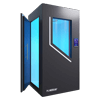 Electric cryo chamber
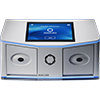 Thermal contrast
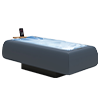 Ice bath 2.0
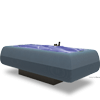 Dry Floating
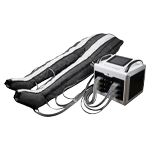 Lymphatic drainage
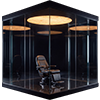 Multisensory Regeneration Cabin
 IHHT altitude training
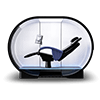 HBOT Oxygen chamber
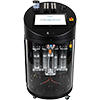 Water Plasma Application
 Red Light Therapy
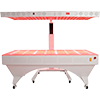 Photobiomodulation
 Cell regeneration
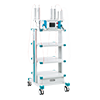 Endolaser
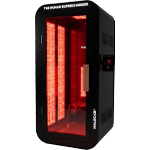 HaloCab Human Supercharger
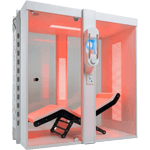 Salt & Red Light
 Vibroacoustics
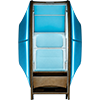 Magnetic Field Applications
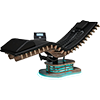 Back therapy system
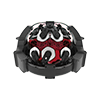 WeberBrain
 Pelvic floor training
 iFlow® IVT Therapy
 Frequency ultrasound
 Dermio Care Plus
 Lounge equipment
 Health of Point Diagnostics
 Body analysis
 FRAS 5
 Mobile HRV measurement