Mehr Infos
  • Vacuum
  • Pressure pulses
  • Microcirculation

iFlow® vascular training

The iFlow vascular training originates from aerospace medicine. It is based on alternating pressure pulses to support microcirculation, vascular function, and lymphatic flow. The goal is to improve tissue supply and promote physiological regeneration processes.

Made in Germany. Quality mark for electric refrigeration chambers.

iFlow® combines vascular training, lymphatic flow, and recovery in one high-quality application

With iFlow®, an application is created that brings together vascular support, decongestion, and regeneration in a clearly guided system. The technology is based on alternating pressure conditions and is aimed at facilities that rely on high-quality, professional applications with real depth. iFlow® does not act randomly, but precisely, in a controlled and coherent manner.

Alternating pressure pulses

iFlow® works with rhythmically controlled pressure pulses that specifically contribute to supporting microcirculation, vascular function, and lymphatic flow. This is the technological strength of the product.

Noticeable relief

The application addresses issues such as heavy legs, congestion, regeneration, and tissue supply in a form that is experienced as pleasant and is immediately comprehensible.

More movement in the tissue

Where microcirculation, lymphatic flow, and vascular function are better supported, an application with clear relevance is created. iFlow® makes this connection usable in a single system.
Vascular training Microcirculation Lymphatic flow Pressure pulses Regeneration

iFlow® makes vascular training tangible, high-quality, and clearly positionable as an application

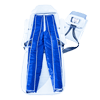
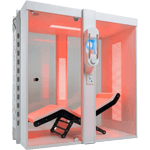
iFlow® adopts a principle known from aerospace medicine and brings it into a modern application for vascular training and recovery. The system supports flow in the lower half of the body via controlled negative pressure phases, giving the product exactly the precision expected from a powerful technology.

Microcirculation

Tissue support

Lymphatic flow

Gently stimulate flow

Pressure pulses

Rhythmically controlled

Vascular function

Functionally supportive

Recovery

Specifically promote relief

iFlow® translates vascular support into a strong product with a real presence

iFlow® uses space technology to inspire your customers

iFlow® works with intermittent negative pressure for the lower half of the body. Through the rhythmic change of pressure conditions, flow processes in the tissue are specifically stimulated. In the product documentation, this principle is described as an alternation of vasodilation and compression, which can support microcirculation, lymphatic flow, and tissue supply.

It is precisely this clear effective structure that gives the product its strength. iFlow® focuses on a precisely defined topic and translates it into an application that possesses technological substance while remaining immediately understandable. The system thus does not stand for general relaxation, but for targeted flow regeneration with a vascular focus.

A product that translates pressure physics into vascular benefit

Intermittent vacuum therapy

iFlow® works with alternating negative pressure phases instead of static load. This creates a dynamic application that specifically stimulates flow processes and gives the product its clear technical identity.

Vasodilation and compression

The mode of action follows a rhythmic alternation, described in the documentation as a sequence of vascular dilation and compression. It is precisely this principle that makes iFlow® a precise vascular application.

Passive flow activation

iFlow® generates movement in the system without the application requiring active effort. This makes the product particularly attractive for settings where comfort and technological precision should come together.

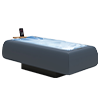
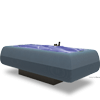
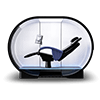
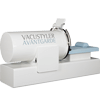
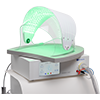
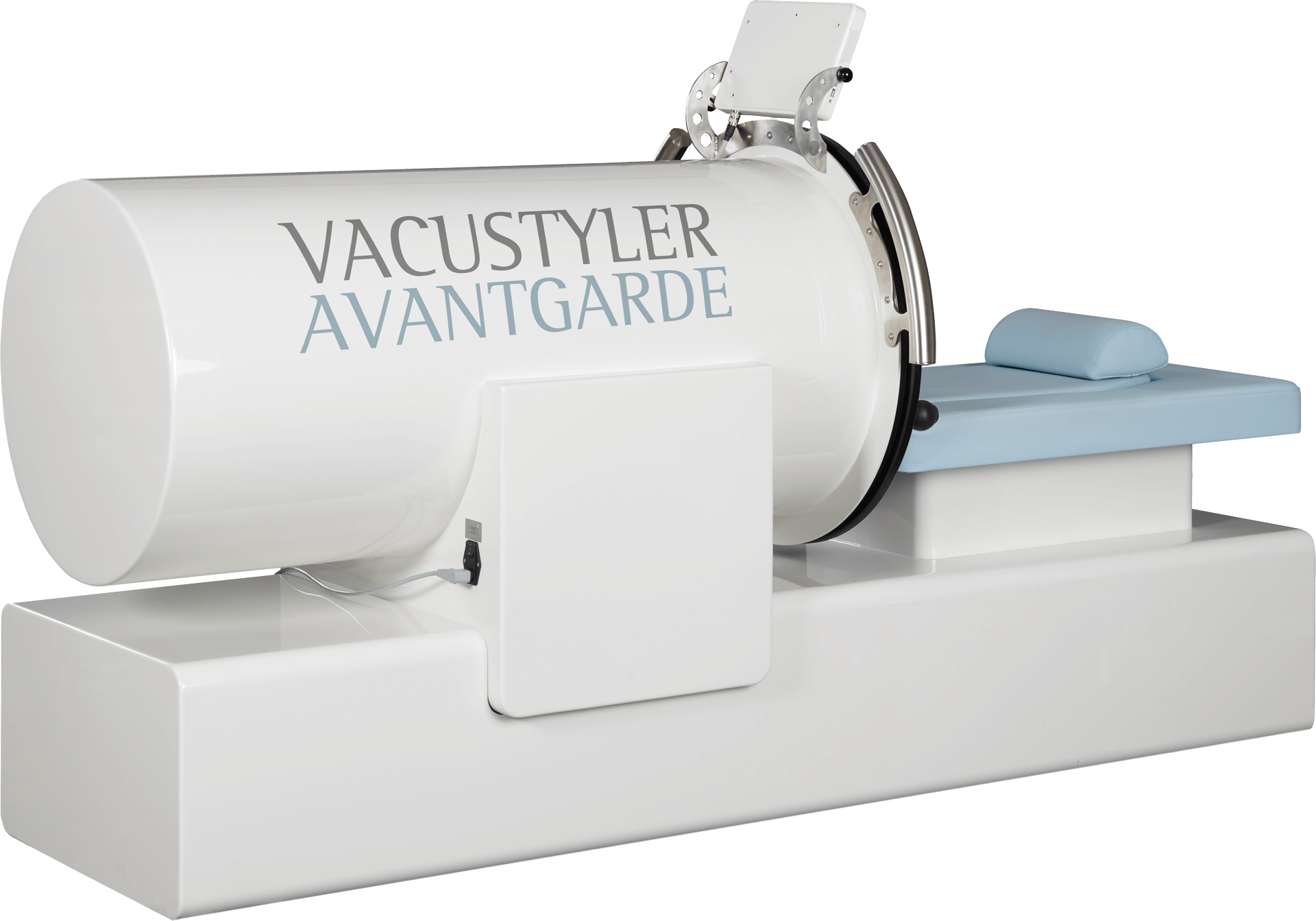
Vacustyler Avantgarde: Vacuum application for therapy and wellness. Modern design in white.

Innovation for your facility

Would you like to know whether our concepts and products can also be implemented in your company?
Let us advise you.

F.A.Q.

What are vacuum applications?

Vacuum applications, also known as negative pressure therapy or vacuum therapy, are a versatile medical treatment method that is increasingly gaining importance. This non-invasive therapy uses vacuum technology to stimulate tissue, promote blood flow, and accelerate the healing process. In this article, we will take a closer look at how vacuum applications work, their areas of application, and the scientific findings that support their effectiveness.

Vacuum applications are medical treatments in which controlled negative pressure is applied to the tissue being treated. This therapy can be performed using special vacuum pumps or devices and aims to improve blood flow, stimulate tissue, and promote healing.

How vacuum applications work

During vacuum therapy, a special vacuum device is placed on the skin or the injured tissue. By creating a controlled negative pressure, the surrounding tissue is slightly lifted, which improves blood flow in the region and stimulates the formation of new blood vessels (angiogenesis). This supports the healing process and promotes tissue regeneration.

Areas of application for vacuum applications

Wound healing: Vacuum applications are often used to treat chronic wounds, such as pressure ulcers or open leg wounds, as they promote blood circulation and cell regeneration.

Orthopaedic rehabilitation: In orthopaedics, vacuum applications can be used to improve muscle function and reduce swelling after injury or surgery.

Aesthetic medicine: Vacuum therapy can also be used in aesthetic medicine to improve skin texture, reduce cellulite and minimise the appearance of scars.

Is vacuum therapy safe and effective?

Yes, vacuum applications are considered a safe and effective medical treatment method to promote wound healing and rehabilitation after injury or surgery.

How long does a vacuum application last?

The duration of a vacuum application can vary depending on the condition being treated. Typically, treatment sessions last about 20 to 60 minutes.

How often should vacuum treatments be performed?

The frequency and duration of vacuum applications depend on the type and severity of the condition. Generally, several treatments over a period of a few weeks are recommended to achieve optimal results.

Are there any side effects?

Vacuum applications are generally well-tolerated and have few side effects. Possible side effects may include skin irritation or slight pain in the treated area, which are usually temporary.