
 Electric cryo chamber
 Thermo-contrast application
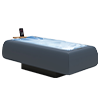 Ice bath 2.0
 Dry Floating
 Mechanical lymphatic drainage
 IHHT altitude training
 HBOT Oxygen chamber
 Red Light Therapy
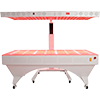 Photobiomodulation
 Cell regeneration application
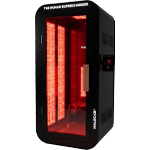 HaloCab Human Supercharger
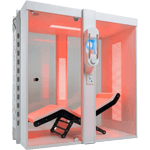 Salt and red light therapy
 Vibroacoustics
 Electromag. Pelvic floor training
 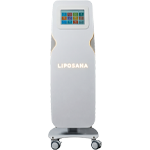 Frequency ultrasound
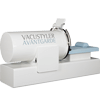 iFlow Vascular Training
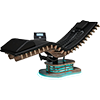 Back therapy system
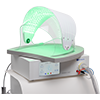 Dermio Care Plus
 Endolaser
 WeberBrain
 Body analysis
 FRAS 5
 Lounge equipment
 Mobile HRV measurement
If you are researching kegel chair cost, the first thing to know is that pricing can mean two very different things: the cost of treatment sessions for end users, or the investment in a chair-based system for Electromagnetic pelvic floor training for a clinic, therapy center, or wellness operator. That distinction matters, because the price structure, decision criteria, and return on investment are not the same. For providers in Germany, Austria, and Switzerland, the real question is usually not just “what does it cost?” but “what does the full concept require to become commercially viable?”
At HF Concepts, the focus is on manufacturer-neutral consulting and concept development around advanced health technologies, including electromagnetic pelvic floor training solutions such as the PelviPower pelvic floor chair. That means looking beyond headline pricing to the total business case: device selection, positioning, operational fit, and the long-term economics of the offer.
What people usually mean by “kegel chair cost”
The phrase “kegel chair” is often used as a general search term for chair-based electromagnetic pelvic floor training. In practice, cost questions usually fall into one of these categories:
- Treatment cost per session for patients or clients
- Package cost for a full course of sessions
- Equipment investment for a clinic, studio, or wellness facility
- Total concept cost including implementation, staff onboarding, and positioning
If you are comparing providers, it helps to clarify which level of cost you actually need. A low session price does not tell you much about treatment structure, and a device price alone does not tell you whether the concept will perform well in your business.
How much does a kegel chair treatment cost per session?
Across the market, treatment pricing is commonly presented either as a single-session rate or as a package. Internationally, many providers advertise a per-session range in the low to mid hundreds, while package pricing is often used for a recommended treatment series. Exact rates vary by country, positioning of the clinic, and whether the provider is operating in a premium medical or wellness segment. For an overview of ways to structure pricing and payback, see Recovery service pricing models.
In the DACH market, pricing should be evaluated in local context rather than copied from US or UK examples. The session price is only meaningful when you also know:
- How many sessions are typically recommended
- Whether consultation is billed separately
- Whether follow-up or maintenance sessions are part of the offer
- How the treatment is positioned as medical, therapeutic, preventive, or wellness-oriented
Because HF Concepts does not publish a universal fixed public price for every pelvic floor chair setup, the most accurate way to assess treatment economics is to evaluate the intended business model and local market fit rather than rely on a generic benchmark.
What shapes the total cost?
The total cost behind a kegel chair offer is driven less by the word “chair” and more by the treatment model built around it.
Number of sessions
A full treatment plan is typically structured as a series rather than a one-off appointment. That means the true customer spend is usually based on a package, not a single visit. If a provider recommends multiple sessions, the total price rises accordingly.
Clinic or operator positioning
A premium private clinic, therapy center, or high-end wellness operator may price the service differently from a volume-based studio. The environment, clinical supervision, and broader service model all influence the final offer.
Consultation and assessment
Some providers separate the initial assessment from the treatment package. Others bundle it into the first program. This can change the perceived entry price even when the full program cost is similar.
Maintenance planning
For some concepts, providers also plan follow-up sessions over time. That changes the long-term revenue model and the total customer spend. For planning upkeep and true total cost of ownership, see the Preventive maintenance plan for wellness technology.
Local market and business model
Pricing in Munich, Zurich, or Vienna may differ from smaller regional markets. Rent levels, target group purchasing power, and competitive intensity all affect what pricing is realistic and sustainable.
Why prices vary so much between providers
Large price differences are normal in this category. That is because you are not only paying for machine time. You are paying for the full operating model behind the service.
Common reasons for price variation include:
- Type of provider – clinic, therapy practice, medical spa, fitness concept, or hotel wellness setting
- Target audience – rehabilitation, prevention, intimate health, or premium wellness
- Package strategy – pay-per-session versus structured treatment programs
- Commercial goals – lead generation, retention offer, or standalone profit center
- Operational setup – staffing, room use, appointment planning, and utilization targets
This is one reason manufacturer-neutral planning matters. A provider should not choose a concept based only on headline treatment price or device marketing. The stronger decision is based on whether the offer fits the operator’s audience, positioning, and revenue goals.
For providers: the real investment is bigger than the chair price alone
If you are a clinic, therapy center, or wellness operator, the equipment price is only one part of the decision. The more important question is whether the technology can be integrated into a profitable and credible offer. To reduce upfront cost and speed rollout, explore Support programs for financing and onboarding.
A realistic investment view should include:
- Technology selection based on your use case and target market
- Installation and operational planning
- Staff training for safe and effective use within your concept
- Offer design including package logic and customer journey
- Market positioning so the service is understandable and commercially attractive
That is where HF Concepts is relevant. The company does not position itself as a simple device shop. It supports providers with independent consulting and full-service concept development around health and wellness technologies, including electromagnetic pelvic floor training solutions.
Is a kegel chair worth the cost?
That depends on whose perspective you take.
For end users
The value question is usually about convenience, non-invasive treatment, and whether the structured program feels easier to follow than traditional pelvic floor exercises alone. Cost is often weighed against time, comfort, and perceived improvement.
For providers
The value question is commercial as much as clinical. A chair-based pelvic floor concept may be attractive when it helps expand service offerings, differentiate the business, and create a new revenue stream within a premium preventive or therapeutic model.
What matters most is not chasing the lowest price. It is building an offer that is credible, operationally workable, and aligned with your audience.
What to compare before you invest
If you are evaluating pelvic floor chair solutions for your business, compare offers on more than upfront cost. For a structured approach to scoping, budgeting, and vendor selection, use the Equipment procurement checklist.
| What to compare | Why it matters |
|---|---|
| Technology fit | Not every solution fits every clinic, therapy center, or wellness concept |
| Total implementation scope | The project may involve more than device delivery alone |
| Commercial model | Package structure and utilization strongly affect ROI |
| Target audience alignment | The offer has to match the needs and expectations of your market |
| Support and onboarding | Training and rollout quality influence adoption and performance |
| Long-term positioning | The technology should strengthen a future-proof health concept, not sit unused |
FAQ
Does the kegel chair really work?
Chair-based electromagnetic pelvic floor training is used to support pelvic floor activation through electromagnetic stimulation. How well a concept performs in practice depends on the technology, treatment structure, user suitability, and how consistently the program is delivered. For providers, the better question is whether the solution is appropriate for the intended use case and biohacking clinic business model.
How much does Emsella chair cost per session?
Market pricing per session varies by provider and country, and it is often less useful than looking at the cost of a full treatment series. If you are comparing offers in the DACH region, focus on the complete package structure rather than a single advertised session rate.
How much does a kegel chair cost for a clinic or practice?
There is no one-size-fits-all public figure that applies to every project. The total investment depends on the selected system, your facility type, the implementation scope, and how the service is positioned commercially. A proper evaluation should include the full concept, not just the device price.
How long do results or program effects usually last?
This depends on the individual case, the treatment plan, and whether maintenance sessions are part of the concept. Providers should account for this when designing packages and long-term revenue planning.