
 Electric cryo chamber
 Thermo-contrast application
 Ice bath 2.0
 Dry Floating
 Mechanical lymphatic drainage
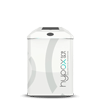 IHHT altitude training
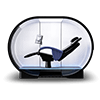 HBOT Oxygen chamber
 Red Light Therapy
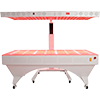 Photobiomodulation
 Cell regeneration application
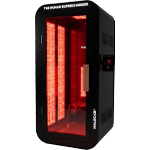 HaloCab Human Supercharger
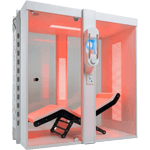 Salt and red light therapy
 Vibroacoustics
 Electromag. Pelvic floor training
 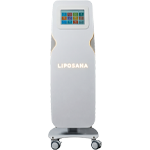 Frequency ultrasound
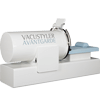 iFlow Vascular Training
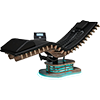 Back therapy system
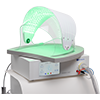 Dermio Care Plus
 Endolaser
 WeberBrain
 Body analysis
 FRAS 5
 Lounge equipment
 Mobile HRV measurement
Altitude training equipment can mean very different things, from simple breathing masks to controlled hypoxic systems used in professional settings. If you are comparing options for a clinic, performance center, wellness concept, or health-focused facility, the key question is not just what exists, but which solution is credible, practical, and worth integrating. This page helps you understand how altitude training equipment works, where the main differences are, and when an IHHT altitude training device may be the better fit.
Not every device marketed as an altitude training machine creates the same physiological conditions or the same user experience. For operators in Germany, Austria, and Switzerland, the right choice usually depends on intended application, level of control, workflow, and how easily the system can be integrated into a professional offering.
What is altitude training equipment?
Altitude training equipment is designed to expose the body to reduced oxygen conditions in a controlled way. Depending on the system, this can be used for performance-oriented training, guided recovery concepts, or structured wellness applications.
In practice, the term may include:
- Breathing-based systems that deliver alternating oxygen phases through a mask
- Hypoxic room or tent solutions that create a lower-oxygen environment for longer exposure
- Basic resistance masks that mainly increase breathing resistance rather than truly simulating altitude
That distinction matters. Many buyers search for terms like hypoxic training equipment, altitude training device, high altitude training machine, or breathing training mask as if they all describe the same thing. They do not. The mechanism, control level, and use case can be very different.
How altitude training equipment works
Real altitude-related adaptation depends on reduced oxygen availability, not just harder breathing. Professional hypoxic systems aim to control inhaled oxygen conditions so exposure can be repeated and managed more precisely.
Some solutions focus on active exercise under hypoxic conditions. Others are built around passive or guided sessions. HF Concepts offers an IHHT altitude training device in the hypoxbreath line, which works through a breathing mask and alternating oxygen phases. The confirmed system context also includes biofeedback, mobile HRV measurement, and app-supported control.
For decision-makers, that makes IHHT relevant as a structured technology category rather than a generic running training mask or resistance training mask. It is better understood as a controlled altitude training device for guided application.
Main equipment types and what they are best for
Breathing resistance masks
Products often marketed as an elevation training mask, athlete training mask, or altitude running mask are usually compact and inexpensive. Their main effect is typically breathing resistance. That can make sessions feel harder, but it is not the same as a true hypoxic environment.
They may appeal to individual consumers, but they are usually limited if your goal is to build a credible, professional altitude training or oxygen-based concept within a facility.
Hypoxic tents and room systems
Tents and room-based systems aim to lower oxygen concentration in a controlled space. These setups are more closely associated with classic simulated altitude exposure. They can be relevant where long exposure times and dedicated infrastructure are part of the concept, but they also come with greater installation, space, and operational demands.
For many operators, they are less flexible than breathing-based systems and harder to integrate into an efficient service workflow.
IHHT altitude training devices
IHHT systems use alternating oxygen phases via mask-based application. Within the confirmed HF Concepts offering, this includes hypoxbreath start, hypoxbreath, hypoxbreath-med, hypoxbreath advanced, and hypoxbreath-med advanced.
For professional use, this equipment type can be attractive because it supports guided sessions in a more compact format than room-based hypoxic infrastructure. It can also be easier to position within a broader preventive health, performance, or regeneration concept.
How to choose the right altitude training equipment
If you are evaluating an altitude training machine for business use, focus on fit rather than hype. The best system depends on operational reality.
- Application model – Are you planning guided sessions, performance services, wellness offerings, or a broader health-tech concept?
- Control and monitoring – The more professional the setting, the more important structured settings, repeatability, and session monitoring become.
- Space and infrastructure – A room-based hypoxic setup has very different demands than a mask-based device.
- User workflow – Equipment should fit the way clients or patients actually move through your facility.
- Commercial viability – The technology should not only be interesting, but realistic to operate, position, and monetize.
This is where an independent, concept-driven view matters. For a structured overview of features, safety, and pricing, see the IHHT machine buying guide.
When an IHHT altitude training device makes sense
An IHHT altitude training device can be a strong option when you want a professional system without building a dedicated hypoxic room or tent environment. It is especially relevant when you need a compact format, guided application, and a technology that can be integrated into an existing wellness, prevention, or performance setting.
This can be particularly suitable for:
- Clinics and therapy-oriented providers looking to expand structured health technology offerings
- Performance and fitness facilities that want a differentiated recovery or performance concept
- Wellness and longevity operators building a premium, future-oriented service portfolio
HF Concepts does not position the topic as a generic gadget sale. The relevant value is in selecting the right system and integrating it into a viable concept, including consultation and implementation support around the confirmed IHHT device offering. To review models and procurement options, visit the IHHT altitude training device (purchase).
What to compare before you invest
| Decision factor | Why it matters |
|---|---|
| Physiological mechanism | Not every device marketed for altitude training creates meaningful hypoxic exposure. |
| Level of control | Professional settings benefit from repeatable, guided application rather than vague intensity claims. |
| Monitoring features | Biofeedback and HRV-related functions can support more structured use, depending on the system. |
| Operational complexity | Large hypoxic installations require more space, setup, and ongoing management. |
| Concept fit | The technology should support your positioning, service design, and target audience. |
When planning budget and logistics for your setup, use the biohacking equipment procurement checklist to ensure key items and accessories are accounted for.
Why professional buyers should be careful with broad marketing claims
Altitude and hypoxic training are areas where marketing language can quickly become imprecise. Terms like high altitude breathing equipment, hypoxic training machine, and elevation mask are often used interchangeably, even when the underlying systems work in very different ways.
For a professional buyer, the safer approach is to ask:
- What exactly does the device control?
- How is the session delivered?
- What data or feedback does the system provide?
- How well does it integrate into an actual business or treatment environment?
A science-based and manufacturer-neutral evaluation helps reduce the risk of choosing a device that sounds impressive but does not match your operational goals.
FAQ
What is the device for altitude training?
The device for altitude training depends on the method being used. It may be a hypoxic room system, a tent-based setup, or a breathing-based device that delivers controlled oxygen phases through a mask. In the confirmed HF Concepts offering, the relevant category is an IHHT altitude training device.
Can you do altitude training at home?
Some forms of altitude training can be done at home, depending on the equipment type. However, home use and professional use are not the same decision. If you are planning a facility concept or commercial application, factors like monitoring, workflow, positioning, and support matter much more than basic at-home availability.
Is hypoxic training illegal?
Hypoxic training is not generally illegal, but any professional use should be approached responsibly and in line with applicable regulations, device standards, and advertising rules. In the EU, health-related technology should always be evaluated carefully within the relevant compliance framework.
Do altitude tents actually work?
Altitude tents can simulate reduced oxygen conditions and are commonly discussed as a way to create longer hypoxic exposure. Whether they are the right solution depends on the goal, the practical setup, and the user’s willingness to manage the operational trade-offs. They are not automatically the best option for every clinic, gym, or wellness facility.
If you are comparing altitude training equipment for a clinic, performance center, or wellness concept, the most important step is choosing a system that is both credible and commercially workable. HF Concepts supports professional buyers with consultation and implementation around its confirmed IHHT device offering. If you want a tailored recommendation for the right altitude system and accessories, start here: Start equipment needs analysis.