
 Electric cryo chamber
 Thermo-contrast application
 Ice bath 2.0
 Dry Floating
 Mechanical lymphatic drainage
 IHHT altitude training
 HBOT Oxygen chamber
 Red Light Therapy
 Photobiomodulation
 Cell regeneration application
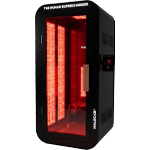 HaloCab Human Supercharger
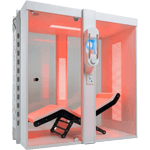 Salt and red light therapy
 Vibroacoustics
 Electromag. Pelvic floor training
  Frequency ultrasound
 iFlow Vascular Training
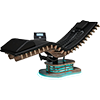 Back therapy system
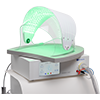 Dermio Care Plus
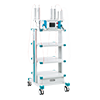 Endolaser
 WeberBrain
 Body analysis
 FRAS 5
 Lounge equipment
 Mobile HRV measurement
A pelvic floor machine chair is a seated system designed to stimulate the pelvic floor muscles without invasive treatment or exercise on the floor. For operators exploring innovative wellness technology, it offers a practical way to add guided pelvic floor training in a format that is simple to explain and easy to integrate into a modern concept. This page gives you a clear overview of how this type of system works, what to evaluate, and where a solution like the PelviPower pelvic floor chair fits.
At HF Concepts, we focus on manufacturer-independent, concept-driven health technology integration. If you are assessing a pelvic floor machine chair for a clinic, therapy center, fitness facility, or wellness environment, the goal is not just the device itself, but whether it fits your target group, positioning, and business model.
What is a pelvic floor machine chair?
A pelvic floor machine chair is a chair-based system that uses electromagnetic stimulation to activate the pelvic floor muscles while the user remains seated. The purpose is to support pelvic floor muscle training in a comfortable, structured format that does not rely on manual exercise performance alone.
Unlike basic home trainers or general Kegel accessories, this type of chair is intended as a technology-supported training solution. The user sits on the chair during the session while the system delivers targeted stimulation to the pelvic floor area. In the case of PelviPower™, the training concept is based on electromagnetic pelvic floor training for pelvic floor muscle stimulation and strengthening.
How does an electromagnetic pelvic floor chair work?
The basic principle is straightforward: the chair generates electromagnetic impulses that trigger contractions in the pelvic floor muscles. These contractions are intended to activate muscle groups that can be difficult for many people to engage consistently through voluntary training alone.
This matters because the pelvic floor plays an important role in support, stability, and controlled muscle function. When this area is weak or poorly activated, users may look for structured training approaches that go beyond unsupervised exercise.
From an operator perspective, the chair format has a few practical advantages:
- Seated application – easy to understand and easy to position in a wellness or training setting
- Technology-supported muscle activation – useful for clients who struggle with correct pelvic floor engagement
- Non-invasive format – no surgical or manual intervention
- Simple integration – suitable for facilities that want a guided, equipment-based pelvic floor offering
The exact session structure, intensity options, and positioning can vary by system. That is why it is important to review the specific chair, operating concept, and intended use rather than treating every kegel machine chair or emsella machine alternative as equivalent.
What is a session like?
A typical session on a pelvic floor machine chair is designed to be uncomplicated. The user remains seated on the chair while the system runs through a defined stimulation program. Because the training is chair-based, the experience is generally positioned as convenient and low effort from the user’s point of view.
For many interested operators, the key practical questions are less about complexity and more about usability:
- How easy is it to explain to clients or guests?
- How smoothly does it fit into the daily schedule of the facility?
- Does it complement the existing concept, staff capacity, and target audience?
These are often more important than generic marketing claims, especially if you are comparing systems for real-world implementation.
Who may be interested in this type of system?
A pelvic floor machine chair may be relevant for facilities serving adults who are interested in pelvic floor activation and strengthening in a technology-supported format. Depending on the concept, that can make it relevant for providers in preventive wellness, recovery, performance, or broader pelvic health-oriented service environments.
Examples of operators who may evaluate this category include:
- Clinics and therapy centers looking to expand their technology-assisted service offering, especially in physiotherapy and medical practices
- Fitness and performance facilities that want to complement training and recovery concepts
- Hotels, spas, and wellness operators seeking premium health technology experiences as part of broader lounge equipment setups
Suitability for individual end users should always be assessed carefully within the operator’s own framework and applicable regulatory context.
Does a pelvic floor chair actually work?
This is one of the most common questions, and the right answer is a careful one. A pelvic floor machine chair is designed to produce muscle activation through electromagnetic stimulation, so the underlying training mechanism is clear. Whether it works well in practice depends on factors such as the user profile, the quality of the system, the consistency of use, and how well the offering is integrated into an appropriate concept.
It is better to think in terms of realistic application rather than universal promises. A professional-grade system can be attractive because it offers guided, repeatable pelvic floor training in a simple format. But no responsible provider should present it as a miracle solution or guaranteed outcome.
What should you evaluate before choosing a system?
If you are considering a pelvic floor machine chair for your business, the most important decision factors usually go beyond the headline technology.
- Concept fit – Does the system match your service model and audience?
- Positioning – Will you present it as part of preventive wellness, performance, recovery, or a broader premium health concept?
- Operational practicality – Is the system easy to place, explain, schedule, and maintain within your daily workflow?
- Commercial viability – Can it support a sustainable offer rather than becoming an underused piece of equipment?
- Compliance and communication – Are your claims, user information, and use context aligned with applicable rules and the intended positioning?
This is where independent guidance matters. A device can look impressive on paper but still be the wrong fit for your market, team, or business case.
PelviPower™ as a pelvic floor machine chair option
HF Concepts offers PelviPower™, an electromagnetic pelvic floor training system in chair format. For operators evaluating this category, it can be considered as part of a broader health technology concept rather than as a standalone trend purchase.
Our role is to help you assess whether a system like PelviPower™ makes sense for your environment, target audience, and commercial goals. That includes looking at the practical and strategic side of integration, not just the product category itself.
If you want to experience the chair and discuss configurations, you can visit our showroom; for pricing, ROI details, or to request a demo, please contact our team.
FAQ
What is the downside to a pelvic floor machine chair?
The main downside is that not every system is right for every business model or target group. Results and user experience can vary, and overpromising creates both commercial and compliance risk. For providers, the bigger risk is choosing technology without a clear concept for positioning, usage, and profitability.
Is a pelvic floor machine chair the same as an Emsella machine?
No. Emsella is one branded system within the broader category of pelvic floor chairs. The category also includes other electromagnetic solutions, so it is better to compare how each system works, how it is positioned, and whether it fits your concept.
Can a pelvic floor chair be used in a wellness setting?
Yes, depending on the system, the positioning, and the regulatory framework of the market you operate in. For many operators, the key question is not only whether the technology can be used, but how to integrate it responsibly into a coherent wellness or health-focused offer.
How do you know if this technology fits your facility?
You need to evaluate target audience fit, operational flow, positioning, and economic viability together. A pelvic floor machine chair is most valuable when it strengthens a well-designed concept, not when it is added in isolation.