Mehr Infos
Health Equipment & Consulting für Longevity, Biohacking und Wellness

Fitness recovery technology

Recovery technology can strengthen your positioning, elevate the user experience, and open new revenue streams – but only if the concept fits your audience, your operations, and your business model. HF Concepts helps gyms, clinics, sports facilities, hotels, and wellness operators turn recovery trends into practical, profitable service offers.

Konzeptionelle Beratung: Menschen arbeiten an Laptops, Tablets und Notizen am Holztisch. Leistungen.

What fitness recovery technology means for your business

Fitness recovery technology is not one product. It is the planned use of tools, environments, and data systems that support post-exercise recovery, regeneration routines, and performance-focused wellness journeys. In practice, that can range from simple mobility and percussion tools to compression systems, cold exposure, infrared heat, photobiomodulation, wearable-driven recovery tracking, and advanced oxygen-based solutions.

For operators, the real question is not which trend is loudest. It is which recovery technologies fit your target group, how often they will actually be used, what outcomes users expect, and whether the format belongs in a gym, a premium spa, a physiotherapy-led setting, or a medically supervised concept. That is where concept development matters.

HF-Concepts Mitarbeiter arbeiten an Laptop. Leistungen und Teamwork im Büro.
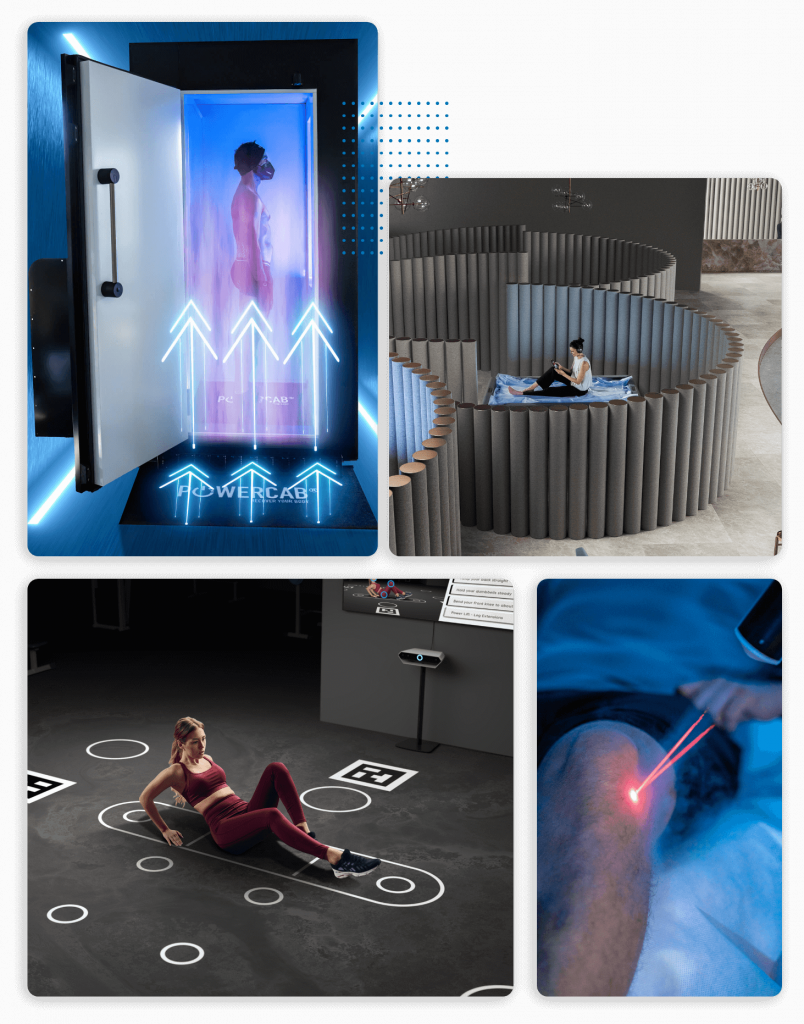
HF-Concepts Anwendungen: Kryotherapie, Entspannung, Fitness-Training, Lasertherapie für Gesundheit und Wellness.

The recovery technologies worth considering today

The current market is broad, but most successful recovery concepts are built from a focused mix of proven categories rather than a random collection of gadgets.

Technology areaCommon role in a recovery conceptBest fitKey planning point
Wearables and recovery trackingSleep, strain, readiness, HRV and recovery trend visibilityPerformance clubs, coaching concepts, premium membershipsOnly valuable if staff can translate data into action
Compression systemsStructured passive recovery and perceived leg freshnessGyms, sports clubs, recovery lounges, hotelsHigh usability and easy integration often drive repeat use
Cold exposure and contrast formatsCooling, routine-based recovery, premium experience factorPerformance facilities, spas, recovery studiosProtocol design, hygiene, safety, and user education are essential
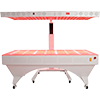
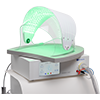
Red light and photobiomodulationRelaxation, wellness positioning, light-based regeneration offersLongevity, wellness, spa, clinic-adjacent conceptsDevice quality, session structure, and compliant claims matter
Infrared heat and sauna conceptsRelaxation, heat-based recovery rituals, premium wellness layeringHotels, spas, premium clubs, hospitality conceptsSpace, ventilation, workflow, and guest turnover need early planning
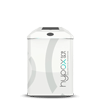
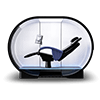
Oxygen-based systemsAdvanced premium recovery or longevity positioningMedically led or high-end supervised facilitiesClinical appropriateness, supervision, and regulation are critical
Percussion, EMS, mobility toolsAccessible entry-level recovery zone equipmentStudios, gyms, PT spaces, hybrid conceptsLower investment, but weaker differentiation on their own

Recovery tracking, wearables, and HRV data

Wearable-driven recovery has become one of the most visible parts of the market because it turns a vague feeling into measurable trends. Metrics such as sleep duration, resting heart rate, training strain, and heart rate variability can help coaches and users understand whether recovery is improving, stalling, or being compromised by travel, stress, poor sleep, or excessive training load.

That said, data is not a concept by itself. A wearable only creates business value when it connects to a service model: coaching decisions, personalized recovery recommendations, membership tiers, or structured programs that help users act on the information. Without that layer, tracking often becomes passive data consumption.

For many facilities, the right question is not whether HRV is interesting. It is whether your team can build a meaningful workflow around it. If you can, wearables can strengthen retention and personalization. Structured HRV monitoring protocols can help turn data into action.

Compression, cold exposure, and contrast therapy

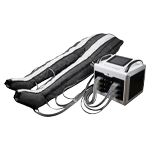
Compression systems and cold-based recovery formats consistently appear in high-interest recovery content because they are easy for users to understand and easy for facilities to package as a premium service. Compression boots are popular because the experience is structured, passive, and time-efficient. They fit well in gyms, sports clubs, recovery lounges, hotel wellness areas, and add-on recovery memberships.

Cold exposure, whether through ice baths or guided contrast concepts, brings stronger brand visibility. For selection decisions, see our comparison of ice bath vs cryotherapy chamber.

There is also an important programming point: cold is not automatically the right answer after every session. In some contexts, users want freshness before their next effort or relief during periods of dense training and competition. In other cases, especially in strength-focused adaptation phases, the timing and purpose of cold exposure should be considered more carefully. Good concept development keeps the modality aligned with the training goal, not just the social media trend.

Red light, infrared heat, and oxygen-based recovery systems

Light- and heat-based recovery technologies sit at the intersection of performance, relaxation, and premium wellness. Red light and photobiomodulation concepts are attractive because they combine a modern health-tech aesthetic with relatively clean integration into treatment rooms, recovery lounges, or longevity areas. Infrared heat and sauna concepts add a strong experiential layer and work especially well in hospitality, spa, and premium club environments where the overall ritual matters as much as the device itself.

Advanced oxygen-based systems can elevate a concept further, but they are not for every operator. These solutions typically make the most sense in medically led settings, specialized longevity environments, or high-end performance concepts with clear supervision models. They can strengthen premium positioning, but they also raise the bar for compliance, staff training, screening procedures, and communication.

This is where an unbiased partner matters. The right decision is rarely “add the most advanced technology available.” It is “select the level of complexity your team can run safely, credibly, and profitably.”

Accessible tools for smaller recovery zones

Not every project starts with a cold plunge suite or advanced oxygen room. Many operators begin with a focused recovery zone built around percussion devices, mobility stations, stretching protocols, EMS-based tools, or compact compression solutions. These options lower the barrier to entry and can still improve the member experience when they are packaged well.

The trade-off is differentiation. Entry-level tools are easier to launch, but they are also easier for competitors to copy. That is why we look beyond the hardware itself and build the concept around programming, staff guidance, pricing, and the full user journey.

Longevity Clinic Design: Planning, Selection and Integration

Technology only works when recovery basics are in place

One of the clearest themes across the recovery market is that technology does not replace fundamentals. Sleep quality, training periodization, hydration, nutrition, stress load, and circadian regularity still shape day-to-day recovery more than any single device. Recovery technology is most valuable when it supports those fundamentals, reinforces routine, or helps users make better choices.

For operators, this matters commercially as well. A facility that sells high-end recovery sessions but ignores user education often creates disappointment. A facility that combines technology with practical coaching usually creates better adherence, better perceived value, and stronger repeat usage.

Active recovery and passive recovery both have a place

Active recovery includes low-intensity movement, guided mobility, light cycling, breath-led downregulation, or circulation-focused work between hard efforts. Passive recovery includes modalities where the user receives the stimulus with minimal effort, such as compression, sauna, red light, or certain cold and oxygen-based sessions. The best concepts do not frame these as competitors. They use both strategically.

For example, a performance club may combine post-session mobility and breathwork with a passive compression offering. A hotel spa may prioritize passive recovery rituals because guests want convenience and relaxation. A clinic-adjacent concept may blend supervised movement with targeted device-based therapies. Recovery becomes more effective when the format matches the behavior of the person using it.

Match the technology to the actual recovery need

Tight, tired, or sore

A simple way to select the right modality is to start with the user’s main complaint. If someone feels tight, mobility-focused recovery, heat, soft tissue work, or guided movement may be more relevant than intense cold. If the main issue is general fatigue, lower-intensity active recovery, breath-led recovery, compression, and sleep support may be more appropriate. If the user feels sore after a demanding block or competition schedule, a colder or more downregulating strategy may fit better.

This kind of decision framework prevents overuse of one trendy modality and helps staff guide users more confidently.

Recovery concepts by facility type

A fitness club usually needs speed, repeatability, and membership integration. A sports performance setting often needs data, scheduling logic, and high throughput around training peaks. A hotel or resort needs experience value, visual impact, and guest-friendly rituals. A clinic or medically supervised concept needs stronger documentation, permitted communication, and clear patient or client pathways.

The same technology can perform very differently in each environment. Concept development is about matching the tool to the business model, not just the physiology.

How HF Concepts develops your fitness recovery technology concept

HF Concepts combines market insight, technology expertise, and commercial planning to turn recovery technology into a workable offer. Our role is to bridge innovation, science, operations, and business outcomes.

Strategic assessment and business case

We start with your audience, competitive environment, and commercial goals. Are you trying to increase premium membership value, create a new pay-per-session service, strengthen your sports performance offering, improve guest wellness revenue, or future-proof a broader longevity concept? The answer determines the right recovery stack.

Independent technology selection and supplier matching

Because we work manufacturer-independently, we can compare categories and suppliers based on fit rather than margin bias. That includes use case, design quality, throughput, maintenance demands, training needs, compliance status, and expected commercial role. With access to a broad international network, we help you avoid expensive mismatches and overbuilt concepts.

Space planning, workflow, and staff enablement

A recovery concept succeeds when the user journey feels intuitive. We help with recovery room layout planning, placement, sequencing, session flow, signage, staffing logic, and service packaging. We also support installation coordination and team training so that your concept is not just impressive on launch day, but usable every day after.

Compliance, claims, and data protection

Recovery technology sits close to regulated health communication, especially when advanced systems, connected devices, or medically adjacent positioning are involved. That is why compliance should be designed into the concept from the beginning, not added at the end.

CE/MDR and evidence review

Where relevant, we look at product classification, CE marking, MDR-related considerations, intended use, and how the technology can be positioned within a wellness or medically supervised environment. We also help keep communication aligned with realistic, supportable claims rather than exaggerated promises.

GDPR for connected recovery solutions

If the concept includes wearables, apps, cloud-based dashboards, or user data capture, GDPR becomes part of the planning process. We help identify where consent, data handling, operational responsibilities, and third-party software choices need to be considered so your concept is both modern and responsible.

Launch support and long-term concept value

Implementation is only one phase. We also think about onboarding, recovery service pricing models, service communication, and how the recovery offer fits your broader brand. With experience from more than 100 implementations, we focus on concepts that can hold their value commercially instead of becoming short-lived trend installations.

Frequently asked questions

What are the best fitness recovery tools?

The best fitness recovery tools depend on the setting and the user journey. For a quick overview of must-have devices, see our recovery room equipment list.

Does active recovery actually work?

Yes, active recovery can be useful when the intensity is appropriate. Light movement may support circulation, mobility, and downregulation between harder sessions. It is usually most effective as part of a broader recovery strategy rather than as a stand-alone fix.

What do pro athletes use for recovery?

Professional athletes typically combine sleep, fueling, hydration, mobility work, compression, cooling strategies, massage or soft tissue work, and monitoring tools. Some also use advanced technologies in supervised environments. The key lesson is consistency and personalization, not simply access to expensive equipment.

Can muscles recover in 24 hours?

Sometimes, especially after lighter sessions or in well-trained individuals. But after high volume, eccentric loading, travel, poor sleep, or competition stress, full recovery often takes longer. Recovery time depends on training history, age, sleep, nutrition, stress, and the type of load involved.

How do I choose between cold plunge, compression, and red light therapy?

Start with the user profile and operating model. Compression is easy to integrate and usually highly accessible. Cold plunge creates a stronger ritual and visual statement but needs more operational planning. Red light therapy fits well in premium wellness and longevity-oriented concepts where session experience and design matter. The best choice is the one your users will understand, book, and repeat.

Are recovery wearables necessary in a facility concept?

No. They are valuable in coaching-led or performance-driven models, but they are not essential for every recovery offer. If your concept is focused on hospitality, relaxation, or passive premium recovery, physical modalities may create more value than tracking alone.

What should I check from a regulatory and data perspective in the EU?

Check the product’s intended use, CE status where relevant, the claims you plan to make, any supervision requirements, and how personal data is collected and processed. If you use connected recovery solutions, GDPR should be part of the planning process from the start.

Can HF Concepts support projects in Berlin and across the DACH region?

Yes. HF Concepts supports operators in Berlin as well as projects across Germany, Austria, and Switzerland, with manufacturer-independent consulting, concept development, implementation support, and strategic guidance around profitable wellness solutions.

Plan your recovery concept

If you want to add fitness recovery technology to a gym, clinic, hotel, sports facility, or longevity concept, the smartest next step is not buying devices one by one. It is defining the right strategy first. HF Concepts helps you evaluate the market, select the right technologies, build a compliant and future-ready operating model, and implement a recovery offer that supports both user experience and business performance.

For projects in Berlin and across the DACH region, we offer a free initial consultation and transparent, manufacturer-independent guidance from concept to launch.