
 Electric cryo chamber
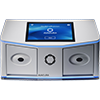 Thermal contrast
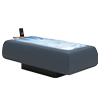 Ice bath 2.0
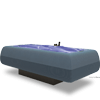 Dry Floating
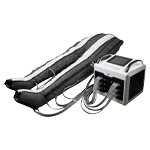 Lymphatic drainage
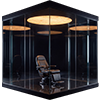 Multisensory Regeneration Cabin
 IHHT altitude training
 HBOT Oxygen chamber
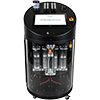 Water Plasma Application
 Red Light Therapy
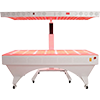 Photobiomodulation
 Cell regeneration
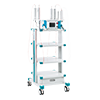 Endolaser
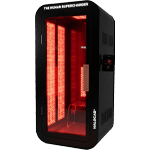 HaloCab Human Supercharger
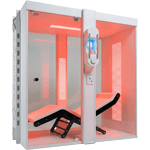 Salt & Red Light
 Vibroacoustics
 Magnetic Field Applications
 Back therapy system
 WeberBrain
 Pelvic floor training
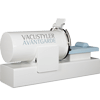 iFlow® IVT Therapy
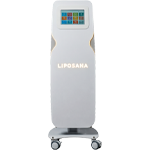 Frequency ultrasound
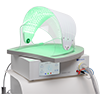 Dermio Care Plus
 Lounge equipment
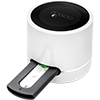 Health of Point Diagnostics
 Body analysis
 FRAS 5
 Mobile HRV measurement


Short answer
Good longevity scheduling calculates every appointment from three components: application time, supervision time and changeover time. Supervision-intensive applications such as IHHT start staggered, while self-running ones such as red light or dry floating fill the gaps. Long applications such as the oxygen chamber belong in off-peak slots, and cleaning in the calendar rather than the break. That way one person can supervise several devices without bottlenecks.
At a glance
Components
application time, supervision time, changeover time
Basic rule
stagger supervision-intensive starts
Long applications
in off-peak slots, e.g. oxygen chamber 60 to 90 minutes
Fillers
short, self-running applications such as red light
Buffer
cleaning belongs in the calendar
Applies to
studios and centres with several devices
Why scheduling decides utilisation
Longevity scheduling becomes more important with every additional device. Anyone expanding their longevity studio equipment has to time applications, supervision and changeovers together.
With several longevity devices, not only the offer grows but also the complexity of the calendar. Every application has its own duration, changeover time and supervision need. Without planning, you end up with devices that need staff at the same time and gaps in which expensive technology stands idle.
Good scheduling makes exactly these overlaps visible. It includes buffers for cleaning and handover and shows how many appointments your team can realistically supervise.
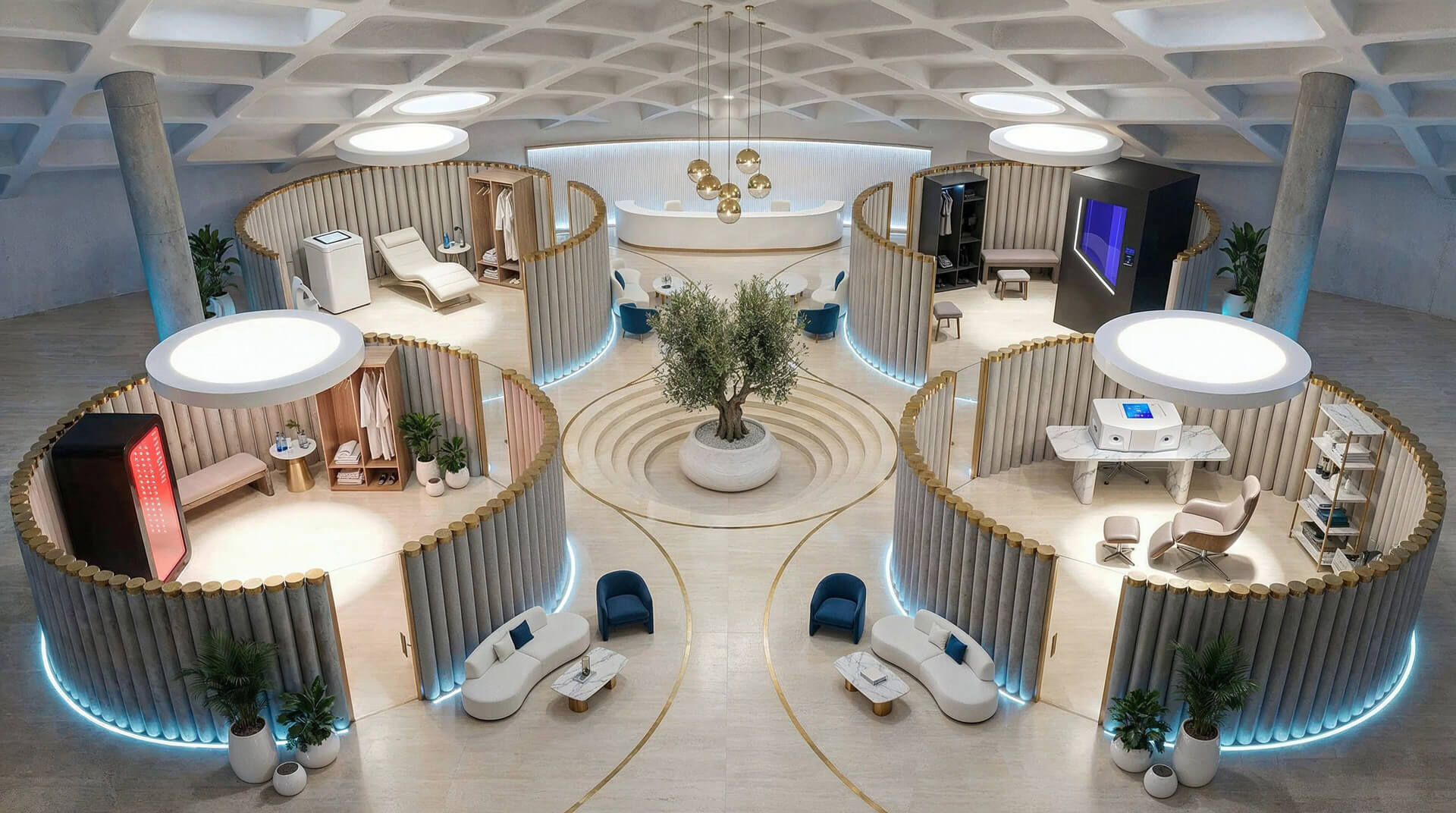
The three components of every appointment
Every appointment consists of more than the pure application time. Three components count for planning:
- Application time: the time the device runs.
- Supervision time: intake, fitting, start, accompaniment and removal by the team.
- Changeover time: cleaning, airing, changing materials, preparing for the next guest.
| Application (examples) | Application time | Supervision | Changeover |
|---|---|---|---|
| Whole-body red light bed (RedWave) | 10 to 20 minutes | start, short briefing | clean surfaces |
| IHHT (hypoxbreath) | around 30 to 40 minutes | short test, mask, supervision | reprocess mask |
| Dry floating (Zerobody) | 30 to 60 minutes | greeting, programme | wipe lying surface |
| Hyperbaric oxygen chamber | 60 to 90 minutes | briefing, staying reachable | clean and air chamber |
| Lymphatic drainage system | fixed programme run time | fit and remove trousers | clean trousers and surfaces |
Label assumptions: these times are reference values from our articles and product pages. Your actual values depend on programme, guest and team. Track the first weeks and adjust the plan.
Example: a morning with three devices and one person
The following scenario shows how one person can supervise three applications when appointments start staggered. It is a planning example based on assumptions, not a recommendation for your facility.
| Time | IHHT | Red light | Dry floating | Team |
|---|---|---|---|---|
| 9:00 | intake, short test | supervise IHHT | ||
| 9:15 | session running | guest 1 start | start red light | |
| 9:30 | session running | changeover | guest start | start floating, clean red light |
| 9:45 | session running | guest 2 start | session running | start red light |
| 10:00 | end, show progress | changeover | session running | finish IHHT |
| 10:15 | reprocess mask | guest 3 start | end | floating changeover |
The logic: applications with high supervision needs start first, and applications that largely run themselves fill the time in between. That way there is never a moment when three devices need staff at once.

Five rules for a plan without bottlenecks
- Stagger supervision-intensive starts: never two starts with an intake talk at the same time.
- Plan buffers: changeover time is working time. Cleaning belongs in the calendar, not in the break.
- Put long applications in off-peak slots: a 90-minute chamber session fills the calendar. Early and late slots are ideal.
- Use short applications as fillers: red light or massage chairs fit into gaps.
- Build packages to the rhythm: applications booked one after another should sit back to back in the plan.
How to turn realistic utilisation into a robust break-even calculation is shown in The Utilization Trap.
Which device combinations are easy to schedule
Not every combination is equally easy to time. The simplest are mixes of one supervision-intensive application and several that largely run themselves.
- IHHT plus red light plus body analysis: measurement and programme alternate, short filler appointments.
- Oxygen chamber plus dry floating: two long applications, good for premium packages in off-peak slots.
- Lymphatic drainage plus massage chair plus red light: recovery package with little supervision.
Which three technologies we would start a longevity center with is covered in The 3 technologies to start with.
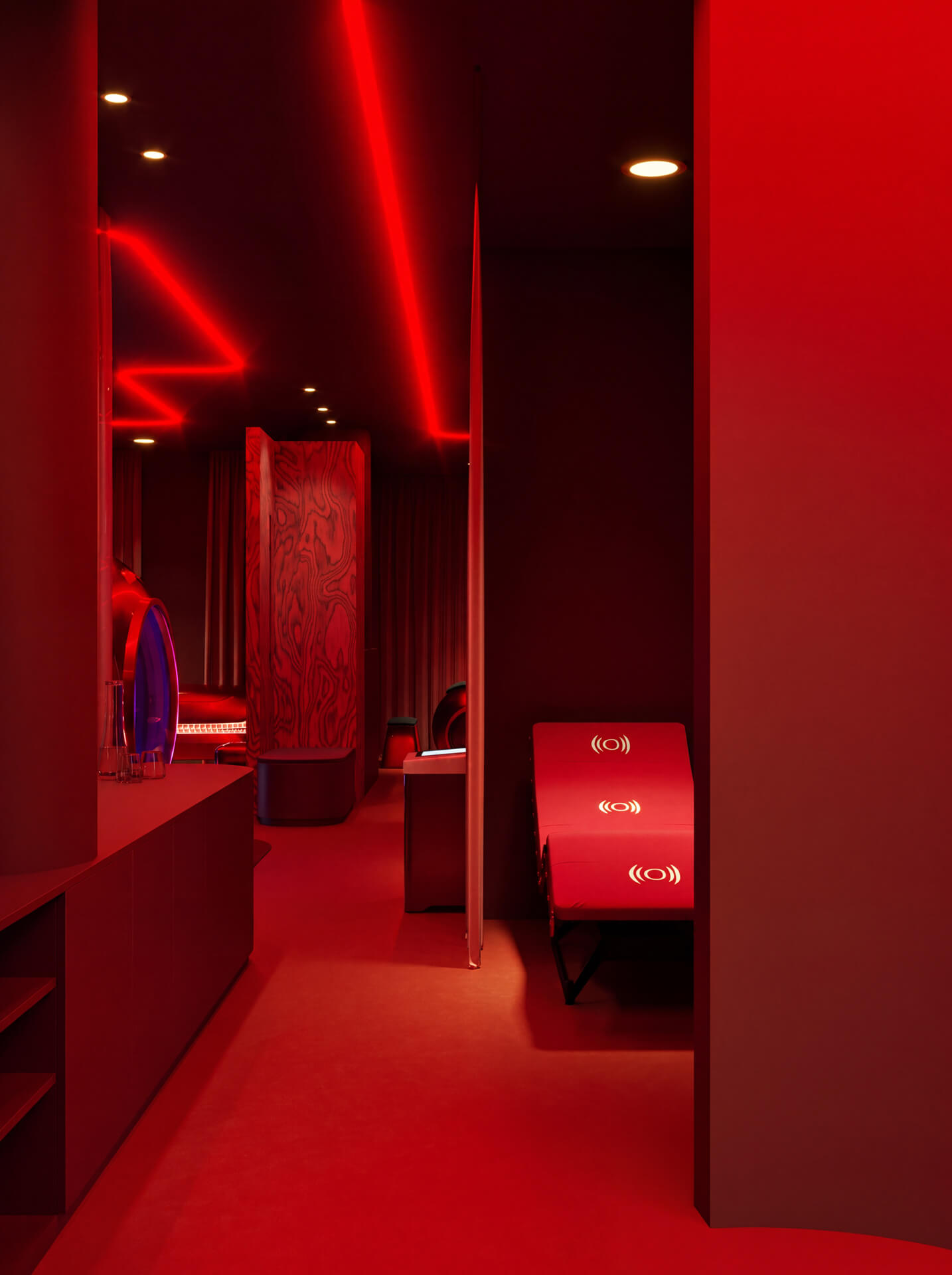
How to communicate appointments and packages
A good plan only shows when clients understand it. These phrasings help with bookings and packages.
| Safe to communicate | Avoid |
|---|---|
| Clear session length including preparation | Stating session length without preparation |
| Packages with a fixed sequence | “bookable any time” without capacity |
| Fixed off-peak slots for long applications | Packages with idle time between applications |
| Honest waiting times at peak hours | Effect claims for combinations |
A suitability check before the first session belongs in every professional workflow. If there are health questions, the application should be cleared with a physician beforehand.
Frequently asked questions
How do you schedule several longevity devices?
With three components per appointment: application time, supervision time and changeover time. Supervision-intensive applications start staggered, self-running ones fill the gaps.
How many devices can one person supervise?
That depends on the supervision share. With staggered starts, one person can often handle one supervision-intensive and several self-running applications.
How long should the buffer between appointments be?
As long as cleaning and preparation actually take. Track the first weeks and adjust the plan.
Where do long applications like the oxygen chamber go?
Into off-peak slots, early and late, so they do not block the calendar at peak times.
Are the example times binding?
No. They are reference values and assumptions. Your values depend on programme, guest and team.
Which combinations are easy to time?
One supervision-intensive application plus several that largely run themselves, such as IHHT with red light and body analysis.
Transparency: HF Concepts sells some of the technologies discussed here. That’s why we assess against clear criteria and advise against a purchase when the fit is missing.
Note: All information is general, non-medical information. The applications discussed are wellness and recovery applications and do not replace medical advice.