
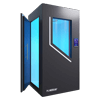
 Electric cryo chamber
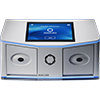 Thermal contrast
 Ice bath 2.0
 Dry Floating
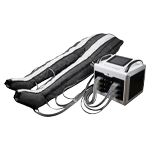 Lymphatic drainage
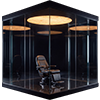 Multisensory Regeneration Cabin
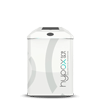 IHHT altitude training
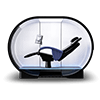 HBOT Oxygen chamber
 Water Plasma Application
 Red Light Therapy
 Photobiomodulation
 Cell regeneration
 Endolaser
 HaloCab Human Supercharger
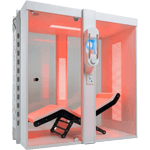 Salt & Red Light
 Vibroacoustics
 Magnetic Field Applications
 Back therapy system
 WeberBrain
 Pelvic floor training
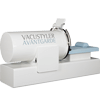 iFlow® IVT Therapy
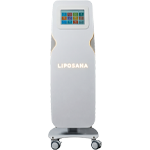 Frequency ultrasound
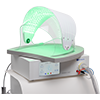 Dermio Care Plus
 Lounge equipment
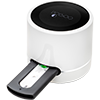 Health of Point Diagnostics
 Body analysis
 FRAS 5
 Mobile HRV measurement
Short answer
If I were starting a longevity centre today, I would choose three technologies that form a business model together. Diagnostics and body analysis provide the basis for programmes and repeat bookings. Red light offers a low-threshold application for frequent visits, with 10–20-minute sessions. IHHT provides a programme-based component. Their common feature is repeat use, rather than an impressive first encounter.
At a glance
Technology 1
Diagnostics & body analysis (foundation)
Technology 2
Red light (frequent visits, 10–20 minutes)
Technology 3
IHHT (programme component, 30–50 minutes)
Add later
Cryo chamber or HBOT
Selection criteria
Repeat use, delegation, revenue model
Diagnostic options
3D body analysis, HRV, redox analysis
Why the starting sequence matters
Many poor purchases happen because equipment is chosen before the concept. I select technologies according to repeat use, delegation and revenue model, rather than fascination.
Technology 1: diagnostics & body analysis
The foundation: it makes progress measurable, helps turn individual visits into multi-week programmes and provides a reason to return.
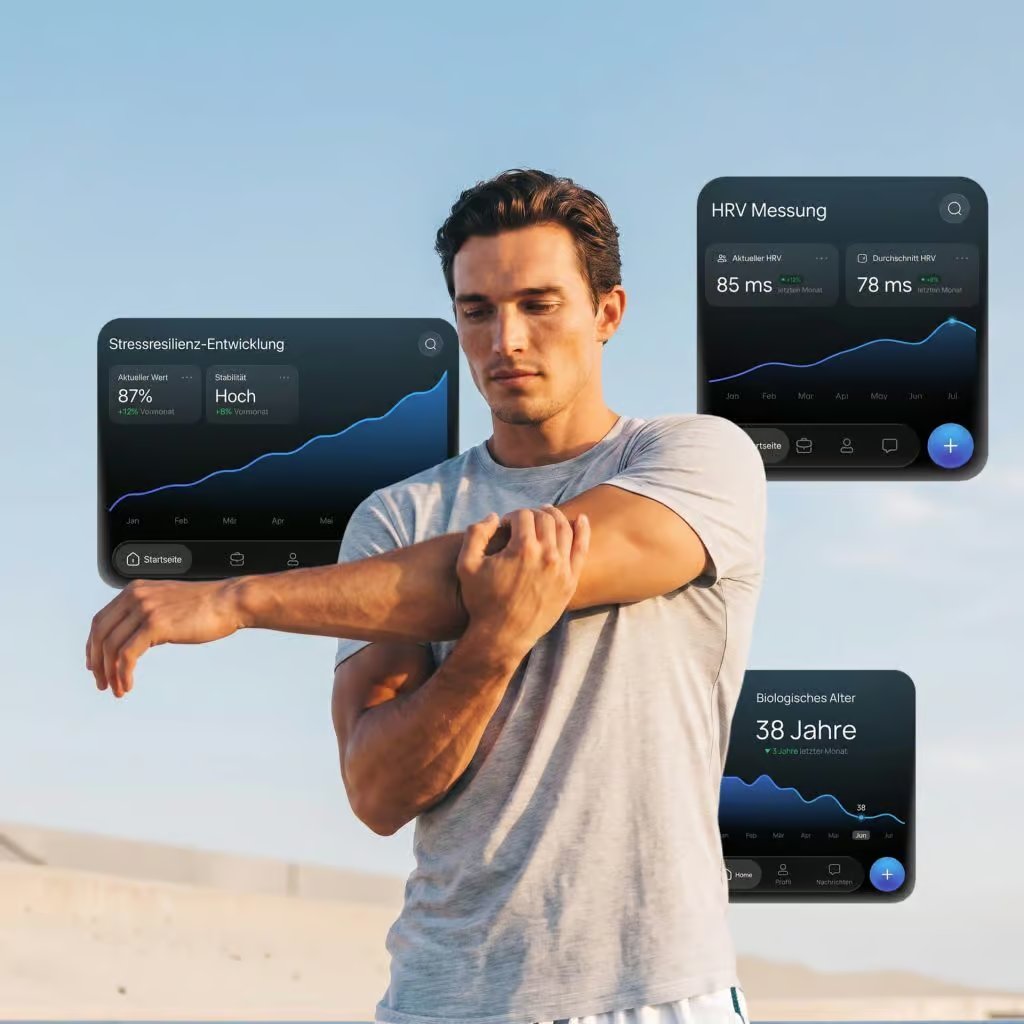
The portfolio offers several tools: 3D body analysis for body composition and changes over time, mobile HRV measurement for stress and recovery, and redox and point-of-care analyses for further insights. To start, one tool that is straightforward to use and explain is usually enough.
Technology 2: red light / photobiomodulation
The component for frequent visits: short sessions of 10–20 minutes, straightforward delegation and a broad audience. A professional system can provide a premium experience that you can offer as a paid service.
A full-body system such as RedWave, with more than 4,400 LEDs, covers the body in one session. This keeps appointment slots short and supports capacity. Read more in our Red Light Therapy Operator Check.
Technology 3: IHHT
The programme component: 30–50 minutes per session, two to three times a week over several weeks. It fits a membership model and can be combined with diagnostics. Read more in our IHHT Operator Check.
The hypoxbreath® advanced version is generally intended for commercial operators, studios and lounges. It offers multilevel phase control and integrated HRV monitoring. This links back to diagnostics: the HRV trend can help track progress and provide a starting point for discussing the next programme.
Technologies I would add later
A cryo chamber or HBOT can be a signature addition, but requires more capital, space or time. Add it once demand and utilisation are established.
How the three technologies work together
| Role | Technology | Session | Contribution to revenue |
|---|---|---|---|
| Foundation | Diagnostics & body analysis | 15–30 minutes | A reason to book programmes and follow-up appointments |
| Frequency | Red light | 10–20 minutes | Frequent use, included in membership |
| Programme | IHHT | 30–50 minutes | Multi-week series |
A typical client journey starts with an initial measurement, followed by a six-week programme with two to three IHHT sessions per week. Red light complements the programme on other days. A final measurement leads into a membership. This creates a recurring business model from three devices.
Space for the starting combination
These three technologies need relatively little space. Body analysis requires a footprint with room to move; a red light lounger needs a small, quiet room; IHHT needs space for a lounger or chair. Compact longevity concepts with several technologies can be implemented in around 30–40 m². For an overview of setup and operating costs, read Opening a Longevity Center.
Common mistakes we see in projects
- Starting with the signature application: a cryo chamber or HBOT is impressive but ties up substantial capital before a regular client flow exists.
- Leaving out diagnostics: without measurements, you lose a reason to book programmes and follow-up appointments.
- Three technologies without a shared journey: placing devices next to each other does not create a client journey.
- Starting with overly complex analysis: a measurement tool that nobody can explain slows down sales.
Conclusion
A useful starting combination for a longevity centre is diagnostics as the foundation, red light for frequent visits and IHHT as a programme component. Together, they create a clear journey from the first measurement through a programme to membership, with limited space and manageable staff time. A cryo chamber or HBOT can follow once demand and utilisation are established.
Frequently asked questions
Which technology should I start with?
Choose a combination of diagnostics, a frequently used application such as red light and a programme component such as IHHT, rather than the most expensive individual device.
Why not start with a cryo chamber or HBOT?
Both can be valuable, but they require more capital, space or time. They make sense as additions once utilisation is established.
How many technologies does a centre need at the start?
Fewer than many people expect. Three complementary applications that clients use repeatedly can offer a stronger start than a large equipment collection without a concept.
How can I build utilisation?
Through programmes supported by diagnostics, memberships and a marketing plan.
Which diagnostics are suitable at the start?
Straightforward body analysis or HRV measurement that makes progress easy to explain. More complex analyses can be added later.
Can I add more technologies later?
Yes. The starting combination is designed to allow signature applications such as a cryo chamber or HBOT to be added once demand and utilisation are demonstrated.
Transparency: HF Concepts sells some of the technologies discussed here. We therefore assess them against clear criteria and advise against a purchase when the fit is missing.
Note: All information is general and non-medical. The applications discussed are wellness and recovery applications and do not replace medical advice.