
 Electric cryo chamber
 Thermal contrast
 Ice bath 2.0
 Dry Floating
 Lymphatic drainage
 Multisensory Regeneration Cabin
 IHHT altitude training
 HBOT Oxygen chamber
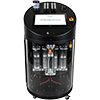 Water Plasma Application
 Red Light Therapy
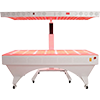 Photobiomodulation
 Cell regeneration
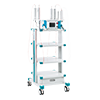 Endolaser
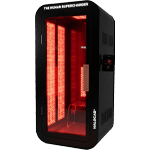 HaloCab Human Supercharger
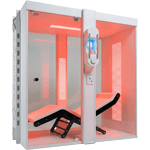 Salt & Red Light
 Vibroacoustics
 Magnetic Field Applications
 Back therapy system
 WeberBrain
 Pelvic floor training
 iFlow® IVT Therapy
 Frequency ultrasound
 Dermio Care Plus
 Lounge equipment
 Health of Point Diagnostics
 Body analysis
 FRAS 5
 Mobile HRV measurement

Short answer
Longevity equipment installation succeeds with a project checklist in five phases: planning, preparation, delivery and assembly, commissioning and acceptance. Clear responsibilities between operator, manufacturer, HF Concepts, electrician and, where needed, a structural engineer are decisive. Device-specific points such as transport route, floor load or service access belong in the list per model. Client operation only starts after function test, briefing and acceptance with complete documents.
At a glance
Phases
planning, preparation, delivery, commissioning, acceptance
Most common mistake
unclear responsibilities
Check first
transport route, connections, floor load
Commissioning
function test and team briefing
Acceptance
protocol, documents, maintenance plan, service contact
Applies to
single device or complete studio
Why installation is more than delivery
Longevity equipment installation decides how smoothly you start. Anyone planning implementation in a longevity studio needs a checklist that orders responsibilities and phases through to acceptance.
With longevity equipment, several weeks often pass between the purchase decision and the first client appointment. During this time many parties come together: operator, manufacturer, HF Concepts, electrician, sometimes a structural engineer and interior fit-out. If nobody holds the threads together, the start is delayed because a door is too narrow, a socket is in the wrong place or the team has not been briefed.
A project checklist puts these steps in order. It shows who does what by when, and ends with a clear acceptance. The following phases apply to single devices as well as to a complete longevity studio.
Responsibilities: who handles what?
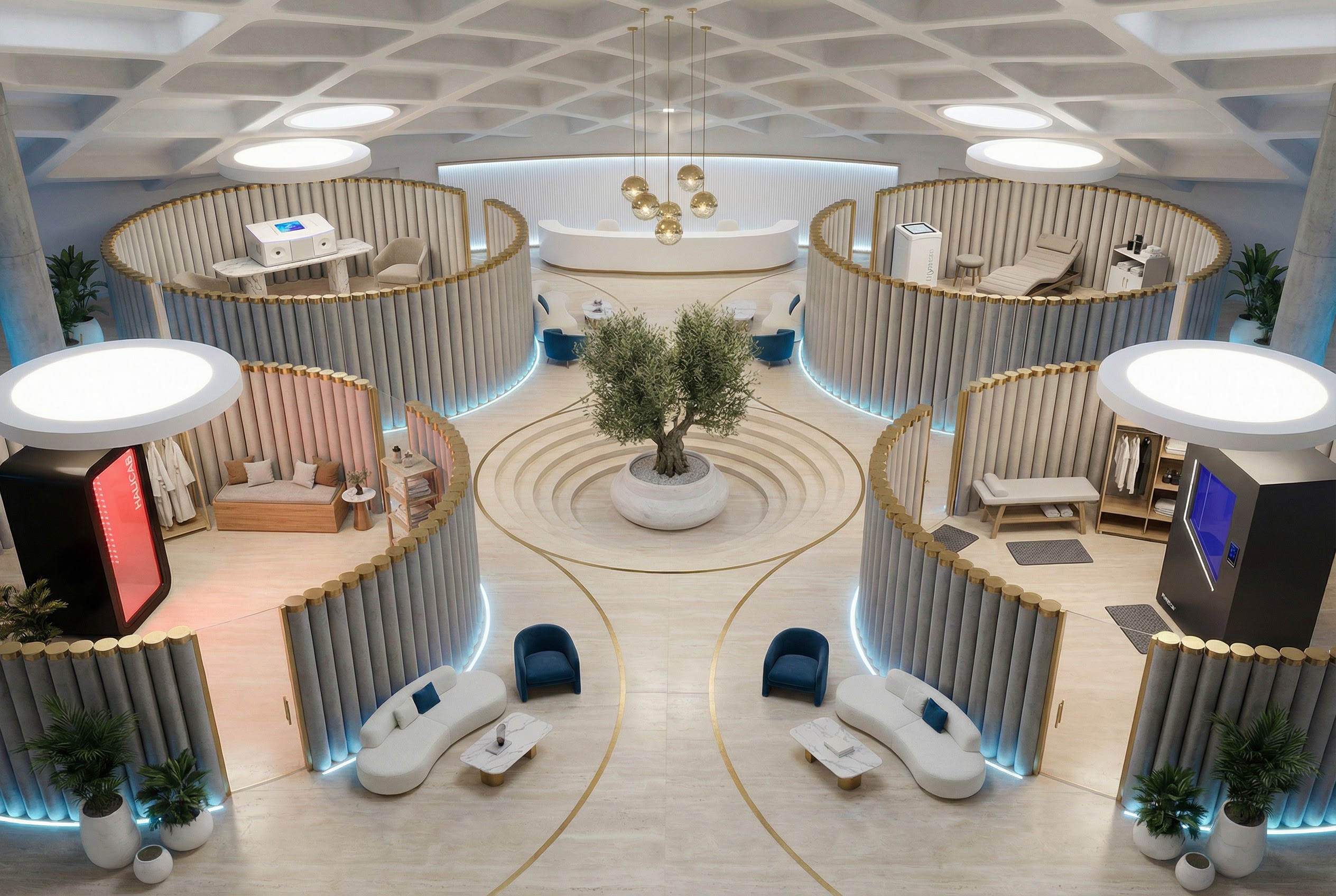
The most common cause of delays is unclear responsibility. So define before ordering who is responsible for each step.
| Task | Typically responsible | What to clarify |
|---|---|---|
| Device selection and planning | operator with HF Concepts | model, equipment, room, intended purpose |
| Room and construction | operator, interior fit-out | floor space, floor, lighting, ventilation |
| Electrics and connections | operator’s electrical contractor | connection values and positions per model specification |
| Structural load for heavy devices | structural engineer | model load data against load capacity |
| Delivery, assembly, commissioning | HF Concepts and manufacturer, depending on project | date, access, scope of delivery |
| Team briefing | HF Concepts or manufacturer | participants, content, documentation |
Important: what the supplier and HF Concepts cover in a specific project is set out in the offer. Have the scope for delivery, assembly, commissioning and briefing confirmed in writing.
The checklist in five phases
- Planning: model, room, responsibilities
- Preparation: connections, floor, transport route
- Delivery: access, assembly, installation
- Commissioning: function test, briefing
- Acceptance: protocol, documents, operational start
Phase 1, planning: define model and equipment, choose the room, assign responsibilities, plan the schedule backwards from the desired start date.
Phase 2, preparation: pass connection values to the electrical planner, check the floor and structural load if needed, measure the transport route including door widths, lift and stairs.
Phase 3, delivery and assembly: confirm the delivery date, ensure access and clear floor space, accompany assembly, dispose of packaging.
Phase 4, commissioning: function test, basic settings, first trial application, team briefing on operation, cleaning and fault handling.
Phase 5, acceptance: acceptance protocol, handover of all documents, maintenance plan, service contact. Only then does client operation begin.
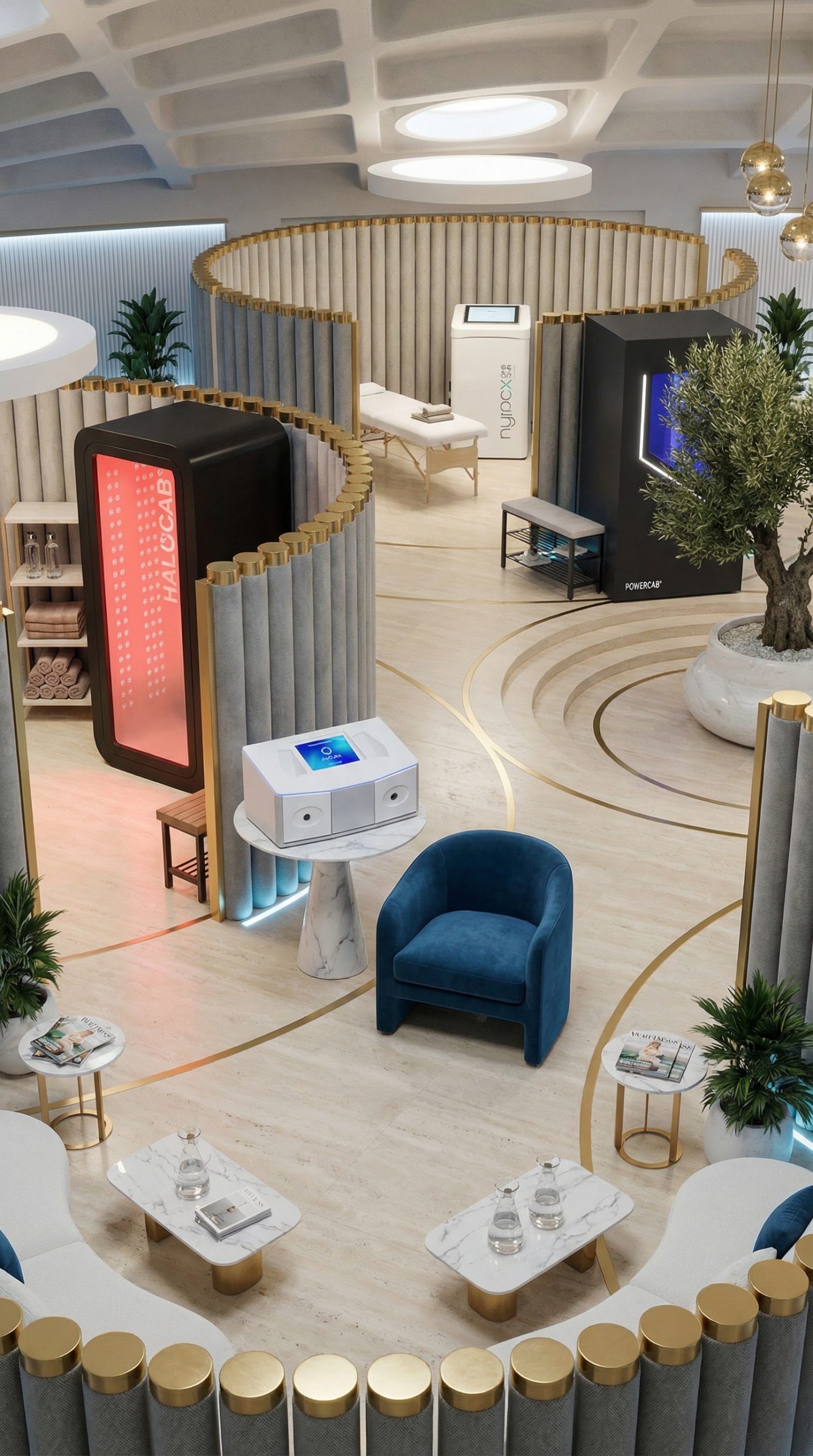
Device-specific points that are often forgotten
Every technology has its own pitfalls. A few examples from our projects show how different the requirements are:
- Oxygen chamber: the transport route decides. Modular multi-seat chambers such as the OxyHelp OxyLife C fit through a standard door and are assembled on site.
- Dry floating: when filled, the bed puts several hundred kilograms on a small area. On upper floors, load capacity comes before ordering.
- IHHT: little space, but a fixed maintenance plan. The device must remain accessible for service and calibration.
- Red light and booths: socket at the spot, ventilation openings clear, cleaning agents suited to the material.
These points belong in the checklist per device. Take manufacturer-specific checks and specifications from the documentation of each model.
Acceptance and documentation: what should be in place at the end
Acceptance is the moment the project passes into operation. These documents should be complete:
- Acceptance protocol: date, participants, functions tested, open points.
- Instructions for use: for every device, within reach for the team.
- Briefing record: who was briefed on which device and when.
- Maintenance plan: intervals from the manufacturer documentation, responsibility in the team.
- Service contact: contact person and procedure in case of faults.
How HF Concepts supports you from selection to briefing is described under Services. Which cost blocks a new centre involves is covered in Opening a longevity center.
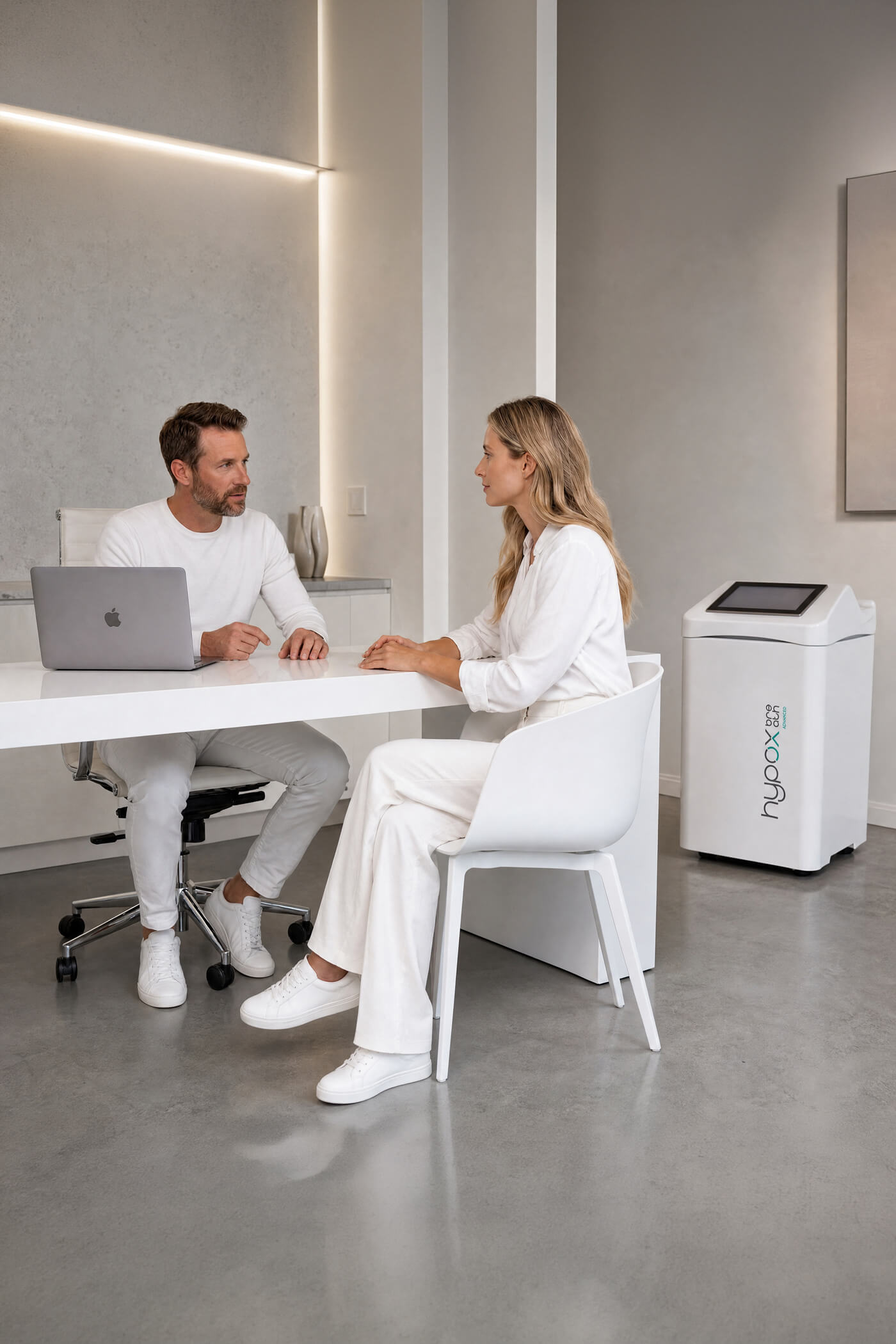
What to tell your clients at launch
Communication starts with the opening. These phrasings help without promising more than the technology can deliver.
| Safe to communicate | Avoid |
|---|---|
| New application with a briefed team | Announcing a start date before acceptance |
| Clear procedure from the first appointment | Health or performance claims at launch |
| Trial sessions after acceptance | “available to everyone right away” without a suitability check |
| Personal consultation before the first session | Advertising with unapproved manufacturer texts |
A suitability check before the first session belongs in every professional workflow. If there are health questions, the application should be cleared with a physician beforehand.
Frequently asked questions
How long does installing longevity equipment take?
That depends on device, room and preparation. A schedule planned backwards from the desired start date shows when planning, connections and delivery must be complete.
Who is responsible for the electrical installation?
Usually the operator’s electrical contractor. Connection values and positions follow the specifications of the chosen model.
What does HF Concepts handle during installation?
Depending on the project, consulting, planning, delivery, commissioning and team briefing and training. The exact scope is in the offer.
What belongs to acceptance?
An acceptance protocol, instructions for use, briefing records, a maintenance plan and the service contact.
Does the structural load need to be checked?
For heavy devices such as dry floating beds or chambers, load data should be compared with the floor’s capacity, on upper floors by a professional.
When can client operation start?
After function test, team briefing and acceptance with complete documentation.
Transparency: HF Concepts sells some of the technologies discussed here. That’s why we assess against clear criteria and advise against a purchase when the fit is missing.
Note: All information is general, non-medical information. The applications discussed are wellness and recovery applications and do not replace medical advice.