
 Electric cryo chamber
 Thermal contrast
 Ice bath 2.0
 Dry Floating
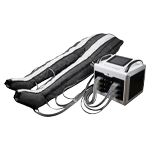 Lymphatic drainage
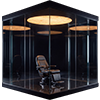 Multisensory Regeneration Cabin
 IHHT altitude training
 HBOT Oxygen chamber
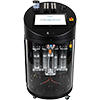 Water Plasma Application
 Red Light Therapy
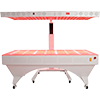 Photobiomodulation
 Cell regeneration
 Endolaser
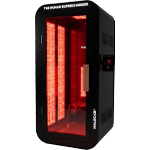 HaloCab Human Supercharger
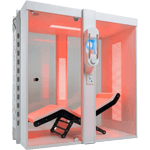 Salt & Red Light
 Vibroacoustics
 Magnetic Field Applications
 Back therapy system
 WeberBrain
 Pelvic floor training
 iFlow® IVT Therapy
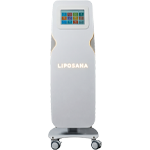 Frequency ultrasound
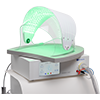 Dermio Care Plus
 Lounge equipment
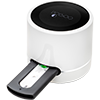 Health of Point Diagnostics
 Body analysis
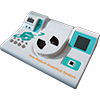 FRAS 5
 Mobile HRV measurement
Short answer
A longevity centre can be viable when the business model is planned before the technology. Three questions come before investment: does the technology fit the target group, can it support a business case at the location, and can you operate it? Memberships can support repeat revenue. The main risk is utilisation, rather than the purchase price alone.
At a glance
Sequence
Business model → technology → financing
Revenue models
Single session, membership, programme
Strongest model
Membership
Underestimated cost
Staff time
Main risk
Utilisation
Compact starting point
Starter concepts from around 30–40 m²
Why many poor purchases happen before the order
Equipment is bought before the target group and expected client frequency are clear. The result is an expensive collection of devices without sufficient use. Plan the business model first, then the technology.
Plan the concept first: three decisive questions
- Does the technology fit the target group?
- Can it support a viable business case at this location?
- Can you operate it in practice?
If an answer is no, you may have avoided a poor investment.

Each question involves concrete checks. What age groups and spending power are present in your catchment area? Which providers operate nearby, and what do they offer? What space and connections are available? How many staff are available, at which times and with which qualifications?
How a longevity centre generates revenue
There are three revenue models: single sessions, memberships and programmes. Repeat use matters more than an impressive first experience. An offering booked weekly provides the basis for a recurring business model.
| Revenue model | Strength | Limitation |
|---|---|---|
| Single session | low barrier to trying the offering | continuous acquisition of new clients needed |
| Membership | predictable revenue, ongoing client relationships | needs a clear service proposition |
| Programme (4–12 weeks) | measurable progress, higher booking value | needs diagnostics and supervision |
A combination often works well: single sessions as an introduction, programmes as the core offering and memberships for clients who continue.
Hidden operating costs
The most underestimated factor is staff time, alongside maintenance, service and downtime. Without a marketing plan, utilisation calculations remain hypothetical. See a worked example in The Utilisation Trap.
Cost categories to include in your plan
| Cost category | What it includes |
|---|---|
| Technology | Equipment, delivery, installation, commissioning |
| Space and fit-out | Rent, alterations, electricity, ventilation, acoustics, lighting |
| Staff | Session supervision, consultations, reception, training |
| Software | Bookings, client management, membership billing |
| Marketing | Opening, website, social media, local partners |
| Cash reserve | A ramp-up period of several months |
We explain how to compare buying, leasing and a trial phase in Financing Longevity Equipment.
How HF Concepts plans a longevity centre
- Analysis: target group, location, space and competition.
- Selection: technologies chosen for repeat use, delegation and revenue model.
- Concept: offering, prices, room layout and staffing model.
- Launch: coordinated delivery, commissioning, staff training and application protocols.
HF Concepts reports that it has supported more than 100 longevity projects in hotels, clinics, studios and practices since 2019. Many technologies can be tried in advance at our showroom in Berlin.
Common mistakes we see in projects
- Technology before the concept: equipment is ordered before the target group and pricing model are clear.
- Too many technologies at once: a large equipment collection ties up capital and can overwhelm the team.
- No cash reserve for the launch: the first months need a budget for marketing and staff.
- Introducing memberships too late: starting only with single sessions makes a later change harder for clients.
Conclusion
A longevity centre can be viable when its business model is planned before the technology. The three core questions about target group, location and operations can prevent costly mistakes. Start with a small number of technologies designed for repeat use, supported by diagnostics. Plan the launch realistically and include memberships from the beginning.
Frequently asked questions
What does it cost to open a longevity centre?
It depends on space, technology selection and the stage of development. Realistic utilisation is decisive for the business case and needs to be calculated for the location.
Do I need a concept, or is good equipment enough?
You need a concept. Unclear concepts are a more common problem for longevity centres than a lack of technology.
Which revenue model is best?
Memberships can be stronger than single sessions in many facility types because repeated use supports predictable revenue.
What is the main risk?
Utilisation. It is absent from the manufacturer’s invoice, but determines whether the business can cover its costs.
What should I start with?
A small number of technologies designed for repeat use, supported by diagnostics, rather than the most expensive individual device.
How much space does a longevity centre need?
Compact starter concepts with several technologies can be implemented in around 30–40 m². Larger centres with a cryo chamber or HBOT need considerably more space.
Can I try the technologies before buying?
Yes. Many systems can be experienced and compared at the HF Concepts showroom in Berlin.
How long does a longevity centre take to become commercially viable?
That depends on location, marketing and the revenue model. Plan for a ramp-up period of several months in your cash-flow forecast.
Transparency: HF Concepts sells some of the technologies discussed here. We therefore assess them against clear criteria and advise against a purchase when the fit is missing.
Note: All information is general and non-medical. The applications discussed are wellness and recovery applications and do not replace medical advice.