
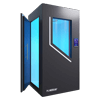
 Electric cryo chamber
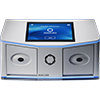 Thermal contrast
 Ice bath 2.0
 Dry Floating
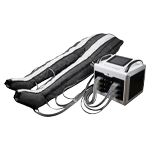 Lymphatic drainage
 Multisensory Regeneration Cabin
 IHHT altitude training
 HBOT Oxygen chamber
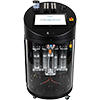 Water Plasma Application
 Red Light Therapy
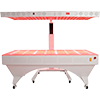 Photobiomodulation
 Cell regeneration
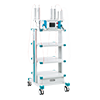 Endolaser
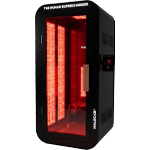 HaloCab Human Supercharger
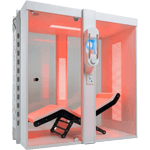 Salt & Red Light
 Vibroacoustics
 Magnetic Field Applications
 Back therapy system
 WeberBrain
 Pelvic floor training
 iFlow® IVT Therapy
 Frequency ultrasound
 Dermio Care Plus
 Lounge equipment
 Health of Point Diagnostics
 Body analysis
 FRAS 5
 Mobile HRV measurement


If you are evaluating a hyperbaric oxygen chamber, the real question is usually bigger than the sticker price. You need to understand what drives the investment, what ongoing costs to expect, and whether ownership fits your business model. For providers in Germany, Austria, and Switzerland, a clear cost view helps you compare options realistically before requesting a quote.
At a high level, hyperbaric chamber cost varies most by chamber type, pressure level, intended setting, and the level of commercial integration you need. On HF Concepts sources, published chamber pricing starts from 52.900 € net plus VAT for a single place reclining chamber, while larger or more specialized systems sit in a higher investment class.
Position your facility as a longevity destination.
In a 30-minute session, we'll assess which longevity and biohacking technologies fit your space, your clientele, and your business model — and which don't.
Arrange a ConsultationWhat does a hyperbaric chamber cost to buy?
There is no single market price for a hyperbaric oxygen chamber because the category includes very different systems. A home-oriented soft chamber, a professional single-place chamber, and a more advanced clinical setup are not comparable purchases.
For business buyers, the most useful way to think about hyperbaric chamber price is by investment level rather than by searching for one average number. In general, the purchase price increases with:
- Chamber construction – soft systems and rigid systems are priced very differently
- Pressure capability – higher-performance systems typically require more advanced engineering
- User capacity – single-place chambers cost less than larger multi-user concepts
- Intended use – wellness, recovery, and provider-grade settings can have different technical requirements
- Integration scope – the chamber itself is only one part of the total project cost
Based on HF Concepts’ confirmed pricing context, published starting prices exist for OxyHelp hyperbaric chambers, including a single place reclining chamber from 52.900 € net plus VAT. Exact pricing depends on the model and project requirements, so quote-based evaluation is still the right next step for serious buyers. See available hyperbaric oxygen chamber models.
What affects hyperbaric chamber cost the most?
1. Chamber type
One of the biggest price drivers is whether you are comparing an entry-level chamber concept or a professional-grade system for commercial use. Buyers often search for portable hyperbaric chamber price or home hyperbaric chamber cost, but those searches usually reflect a different use case than a clinic, sports recovery facility, or wellness operator planning a revenue-generating service.
2. Pressure level and technical specification
Pressure level is closely tied to system complexity and positioning. As pressure capability rises, costs often rise with it because the chamber, components, and safety concept become more demanding. This is one reason why two chambers that look similar at first glance can sit in very different price brackets.
3. Commercial setting
A chamber purchased for a professional environment has to fit a wider operating concept. Space planning, workflow, staff use, service integration, and positioning within your offer all influence the final investment decision. For that reason, the cost of a hyperbaric chamber for a business should be assessed as part of the full concept, not only as equipment price.
4. Scope beyond the machine itself
Searches such as hyperbaric oxygen machine cost or HBOT machine price often focus too narrowly on the unit alone. In practice, buyers should also clarify which project costs sit around the chamber, such as installation-related planning, training, and other implementation needs. Exact add-on pricing should always be confirmed in the offer. Equipment procurement checklist.
Purchase price vs running costs
The chamber purchase is usually the main upfront cost. After that, ongoing costs matter because they shape long-term profitability and your cost per session.
Typical running-cost categories include:
- Energy consumption
- Maintenance and servicing
- Consumables and operating supplies
- Staff time
- Utilization-related wear and scheduling overhead
The exact monthly cost to run a hyperbaric chamber depends far more on how intensively you operate it than on the headline power cost alone. For commercial operators, staff allocation, utilization rate, and operational workflow often have more financial impact than minor differences in electricity use.
When does buying a hyperbaric chamber make financial sense?
For professional buyers, ownership usually makes sense when the chamber is part of a clear service strategy rather than a standalone experiment. That means looking at the chamber as a business asset: can it strengthen your positioning, support a premium recovery or wellness offer, and contribute to recurring revenue?
In many cases, the key ROI questions are:
- How often will the chamber realistically be used?
- What session price fits your market and target group?
- Will it attract new clients or increase retention?
- Does it complement your current services well?
- Can your team integrate it smoothly into daily operations?
This matters especially for clinics, therapy centers, sports performance facilities, hotels, and wellness operators. A chamber that fits the concept well can support both differentiation and revenue. A chamber chosen without a clear commercial model can become an expensive underused asset.
To offset upfront investment, Explore grants and support programs that may apply in your region.
For pricing, ROI, and revenue scenarios, see the Biohacking clinic business model.
Buying vs paying per session
If you only need occasional access, paying per treatment may be more sensible than buying. But that logic changes completely when you want to purchase a hyperbaric oxygen chamber, build an internal service offering, reduce dependence on third-party providers, or create a premium recovery and longevity concept under your own brand.
For businesses, the comparison is not simply ownership cost versus session cost elsewhere. It is ownership cost versus the strategic value of offering hyperbaric oxygen therapy as part of your own concept. That includes revenue opportunity, client experience, market differentiation, and better control over availability.
Should you rent instead of buy?
Some buyers begin with searches such as hyperbaric chamber rental or HBOT rental. That can be useful for short-term testing, events, or temporary access, but it is usually not the strongest long-term solution for operators building a permanent service line. If your goal is a durable business concept, ownership generally gives you more control over economics, positioning, and operational planning.
If your goal is still uncertain, the better first step is often not a generic rental search but a structured feasibility discussion around expected use, target audience, and business case.
How to evaluate cost the right way
The best buying decisions happen when you compare total business fit, not just chamber price. For professional operators, cost should be reviewed across four layers:
| Cost layer | What to assess |
|---|---|
| Acquisition | Chamber model, specification, and quoted purchase price |
| Implementation | Planning needs, installation-related requirements, and onboarding |
| Operation | Energy, maintenance, staffing, and ongoing use costs |
| Commercial return | Utilization, pricing, client demand, and service positioning |
This broader view is especially important if you want to avoid buying technology in isolation. HF Concepts positions hyperbaric solutions within a larger business and health-tech context, which is often the more realistic way to assess value for professional buyers, including physiotherapy and medical practice applications and broader clinic and lounge equipment planning. For sector-specific guidance, see Solutions for physiotherapy and medical practices.
Ready to add a proven revenue stream?
From cryotherapy to hyperbaric oxygen — explore our full portfolio and request pricing for your facility.
Get a QuoteFAQ
How much is one hour in the hyperbaric chamber?
There is no universal hourly rate. Session pricing varies by provider type, geography, chamber setup, and treatment concept. If you are evaluating ownership, hourly revenue potential should be calculated against your expected utilization, staffing, and operating costs rather than copied from generic market averages.
How much does it cost to run a hyperbaric chamber?
Running costs usually include electricity, maintenance, consumables, and staff time. For most commercial operators, the biggest financial variable is not energy alone but how efficiently the chamber is integrated into daily operations and how often it is actually used.
Will insurance pay for a hyperbaric chamber?
Insurance questions depend on the market, provider setting, and intended application. Coverage considerations for treatment are different from the cost of purchasing a chamber as equipment. If you are planning a business model around HBOT, it is important to assess reimbursement relevance separately from acquisition cost.
Is a hyperbaric chamber worth it?
It can be, if the chamber supports a clear clinical, recovery, or wellness concept and is backed by realistic demand. The right test is not whether the chamber is expensive in isolation, but whether it fits your positioning, usage expectations, and long-term commercial plan. If you want tailored pricing, financing, or model guidance, Start a personalized needs analysis.