
 Electric cryo chamber
 Thermal contrast
 Ice bath 2.0
 Dry Floating
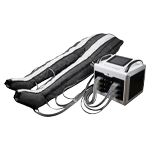 Lymphatic drainage
 Multisensory Regeneration Cabin
 IHHT altitude training
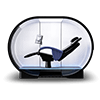 HBOT Oxygen chamber
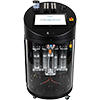 Water Plasma Application
 Red Light Therapy
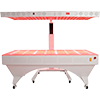 Photobiomodulation
 Cell regeneration
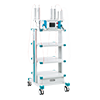 Endolaser
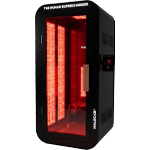 HaloCab Human Supercharger
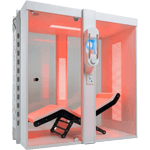 Salt & Red Light
 Vibroacoustics
 Magnetic Field Applications
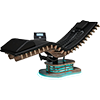 Back therapy system
 WeberBrain
 Pelvic floor training
 iFlow® IVT Therapy
 Frequency ultrasound
 Dermio Care Plus
 Lounge equipment
 Health of Point Diagnostics
 Body analysis
 FRAS 5
 Mobile HRV measurement


Short answer
Comparable HRV values require a consistent workflow: preparation (the same time of day, no caffeine, training or large meal beforehand), consistent measurement conditions (a few minutes of rest, the same position, calm spontaneous breathing and a five-minute recording as an established short-term standard), and repetition (a baseline from several measurements, followed by trends rather than isolated readings). HRV is neither a diagnosis nor proof of the effect of an individual device.
Position your facility as a longevity destination.
In a 30-minute session, we'll assess which longevity and biohacking technologies fit your space, your clientele, and your business model — and which don't.
Arrange a ConsultationAt a glance
Measurement time
5 minutes as an established short-term recording
Position
choose once and keep consistent
Preparation
no caffeine, training or large meal beforehand
Repetition
baseline from several measurements, followed by trends
HF system
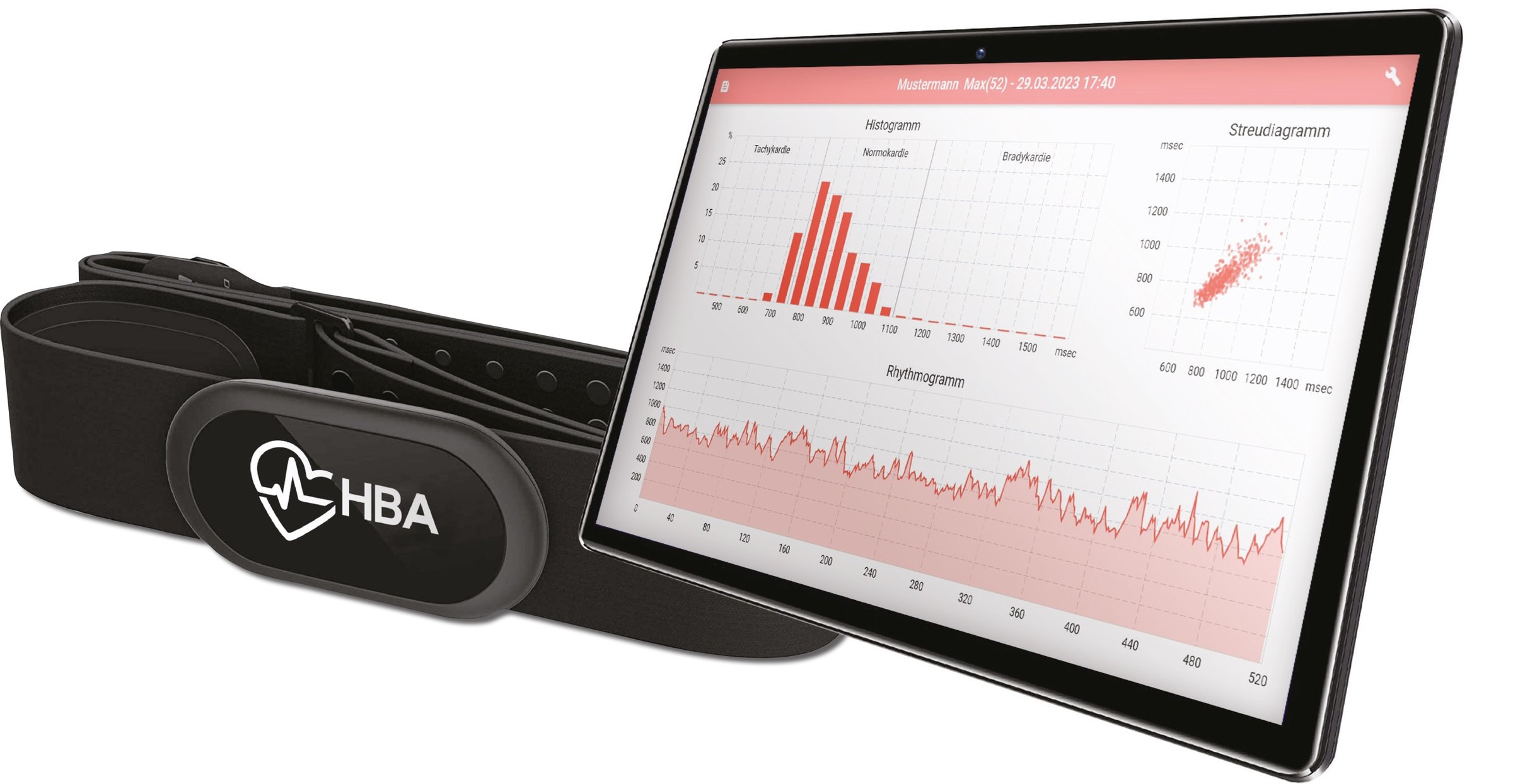
chest strap, tablet analysis, PDF export
Limitations
no diagnosis, no proof of device effectiveness
Why the HRV workflow matters more than the device
The HRV measurement workflow determines how meaningful the results are. A consistent protocol makes an HRV device a useful tool in everyday operations.
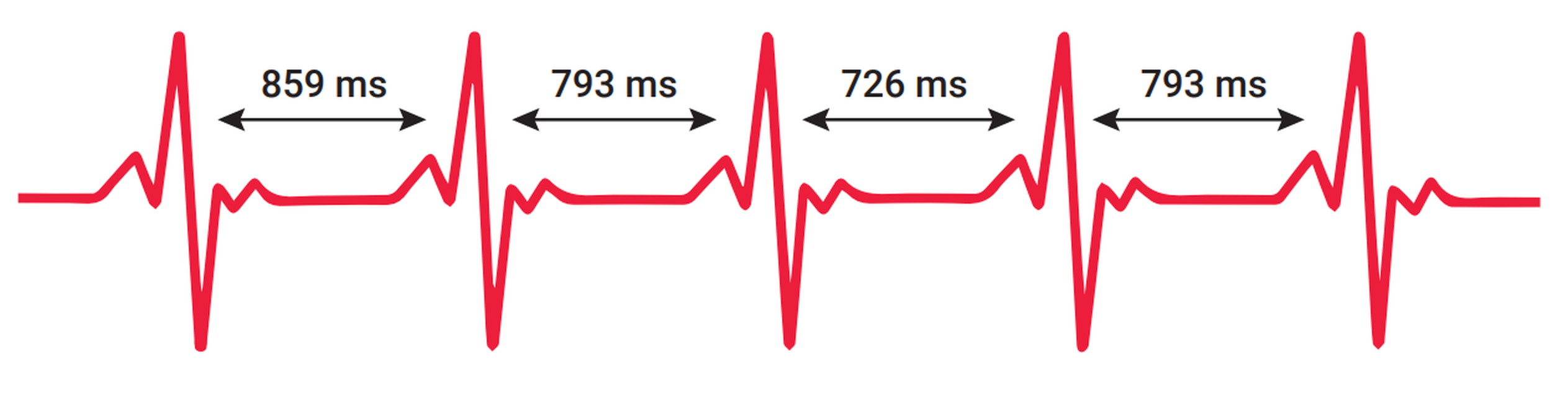
Heart rate variability (HRV) describes variation in the time intervals between consecutive heartbeats. It responds to sleep, stress, training, caffeine, time of day and body position. This is exactly what makes it challenging in practice.
Two measurements are only comparable when they are taken under the same conditions. Without a consistent protocol, you mainly measure the difference between a hectic Tuesday morning and a relaxed Friday afternoon.
Preparation: what clients need to know beforehand
Give clients written preparation instructions when they book, or send a reminder the day before:
- Schedule appointments at the same time of day as previous measurements where possible
- Avoid caffeine, nicotine and large meals in the hours before the measurement
- Do not train before the appointment on the measurement day; avoid unusually strenuous exercise the day before
- Use the toilet before the measurement
- Report relevant circumstances: poor sleep, alcohol the night before, an infection or changes in medication
Document this context for every measurement. It often explains an unusual reading.
Measurement conditions: the protocol in the room
- Arrival: a few minutes of rest
- Fitting: chest strap snugly below the chest
- Position: always the same, lying or sitting
- Recording: 5 minutes, still and without talking
- Review: check artefacts and record context
| Condition | Your facility’s protocol |
|---|---|
| Room | quiet, comfortably warm, subdued lighting, no background conversations |
| Rest period | a few minutes of quiet sitting or lying down before recording |
| Body position | choose once, lying or sitting, and keep it the same for every measurement |
| Breathing | spontaneous and calm, without deliberate control unless your protocol specifies a breathing pattern |
| Measurement time | 5 minutes as an established short-term recording |
| Interruptions | put phones away, no talking or movement; restart if interrupted |
With the Heart Beat Analysis System from HF Concepts, a chest strap records the intervals between heartbeats. The analysis runs on a tablet and can be exported as a PDF. During onboarding, we establish strap fit, software settings and artefact handling. These then stay consistent for every measurement.
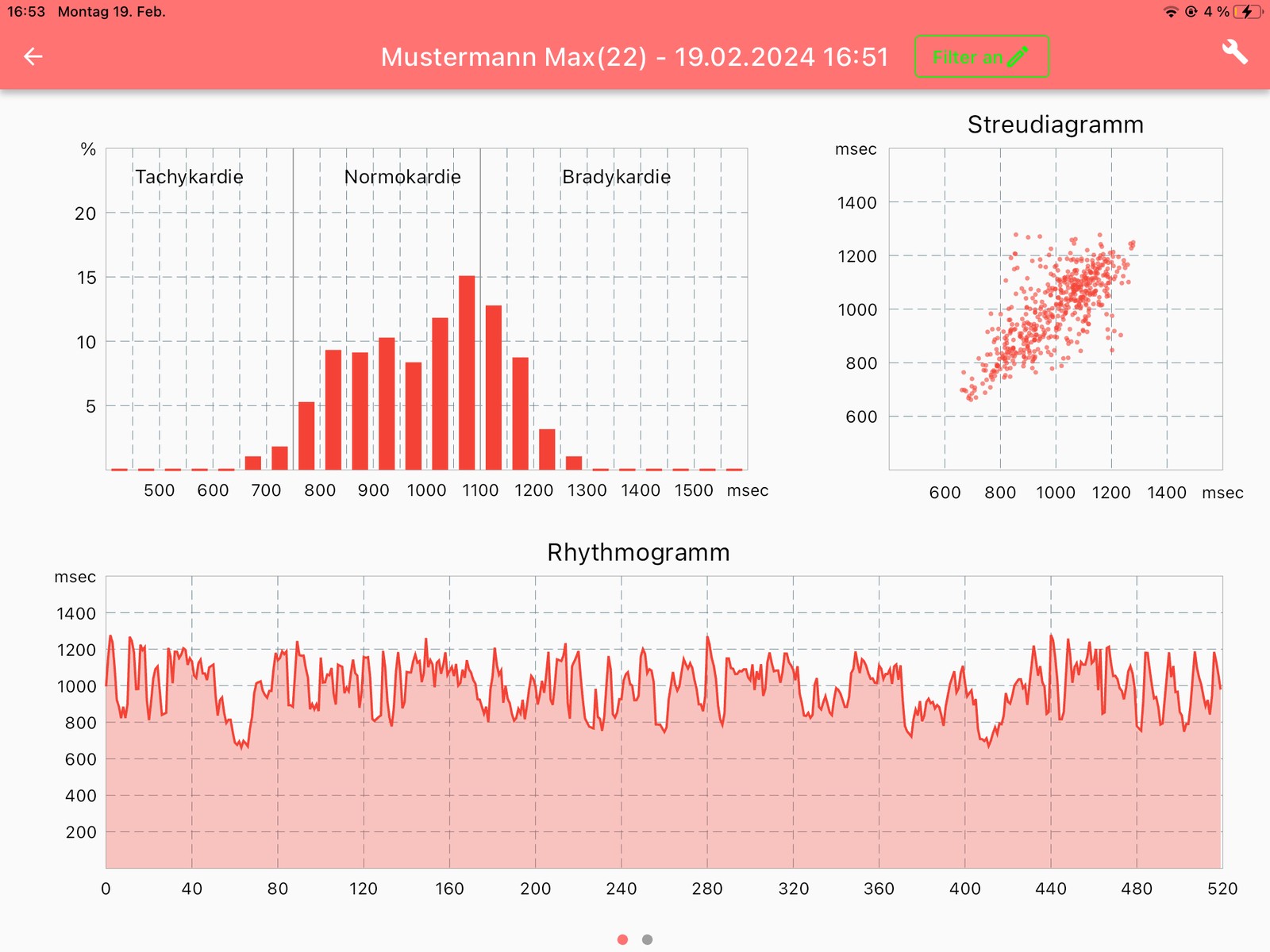
Repetition: turning individual readings into a trend
HRV varies from day to day even with a consistent protocol. That makes an individual’s trend over time more meaningful than comparisons with reference tables for other people.
- Establish a baseline: take several measurements on different days before assessing changes.
- Keep conditions consistent: the same device, software settings, position and time of day.
- Read the context: always document sleep, stress, training and infections.
- Follow trends, not outliers: do not overinterpret individual deviations.
What HRV measurement cannot establish
HRV is a sensitive but non-specific metric. This creates two clear limits for communication in your facility:
- No diagnosis: HRV measurement in a studio or hotel does not replace a medical examination. Unusual values or symptoms need medical assessment.
- No proof of effectiveness: a change in HRV after a series of sessions cannot be attributed to an individual device. Sleep, season, stress and training also contribute.
Used appropriately, HRV measurement is a useful tool for discussion and motivation, precisely because its limitations are explained honestly.
Scientific background: Task Force of the European Society of Cardiology and the North American Society of Pacing and Electrophysiology (1996): Heart rate variability, Standards of measurement, physiological interpretation, and clinical use, Circulation 93:1043–1065; Laborde, Mosley & Thayer (2017): Heart Rate Variability and Cardiac Vagal Tone in Psychophysiological Research, Frontiers in Psychology 8:213.
HF Concepts Check: how we rate HRV measurement by facility type
In the HF Concepts Check, we score nine criteria from 1 to 5, always for a specific facility type. The same technology can score strongly in one type of business and moderately in another. That is precisely the point. These scores cover standardised HRV measurement as a component of a facility’s offering.
Our assessment after reviewing the technology, based on typical facilities of each type. No guarantee for any individual case.
Longevity centre: 36/45; Private practice: 35/45; Hotel & spa: 30/45.
Communicating HRV measurement under German healthcare advertising rules
| Suitable communication | Avoid |
|---|---|
| Measurement makes responses visible | “diagnosis” or “heart health check” |
| Trends over several weeks, interpreted in context | “proves that device X works” |
| Starting point for a consultation | Comparisons with reference tables for other people |
| A complement to recovery applications | Claims about disease risk |
A suitability check before the first session belongs in every professional workflow. Anyone with health concerns should seek medical advice before use.
Ready to add a proven revenue stream?
From cryotherapy to hyperbaric oxygen — explore our full portfolio and request pricing for your facility.
Get a QuoteFrequently asked questions
How does an HRV measurement work?
After a few minutes of rest, a chest strap is fitted. The recording is then taken in a consistent position, lying or sitting, with calm, spontaneous breathing. Five minutes is an established short-term recording standard.
How should clients prepare for an HRV measurement?
Measure at the same time of day where possible. Avoid caffeine, nicotine and large meals in the preceding hours, do not train beforehand, and report circumstances such as poor sleep, alcohol consumption or infections.
How often should HRV be measured?
Take repeated measurements under consistent conditions to establish a meaningful trend. Start with several recordings on different days as a baseline, then repeat at regular intervals.
Is an HRV measurement a diagnosis?
No. HRV measurement in a studio or hotel is not medical diagnostics. Unusual values or symptoms should be assessed by a physician.
Does better HRV prove that a device works?
No. Many factors influence HRV, including sleep, stress, training and season. A change cannot be attributed to an individual device.
Transparency: HF Concepts sells some of the technologies discussed here. We therefore assess them against clear criteria and advise against a purchase when the fit is missing.
Note: All information is general and non-medical. The applications discussed are wellness and recovery applications and do not replace medical advice.