
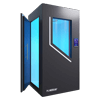
 Electric cryo chamber
 Thermal contrast
 Ice bath 2.0
 Dry Floating
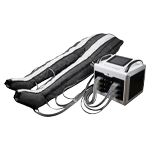 Lymphatic drainage
 Multisensory Regeneration Cabin
 IHHT altitude training
 HBOT Oxygen chamber
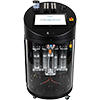 Water Plasma Application
 Red Light Therapy
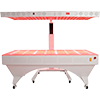 Photobiomodulation
 Cell regeneration
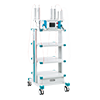 Endolaser
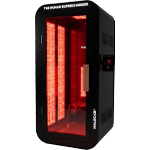 HaloCab Human Supercharger
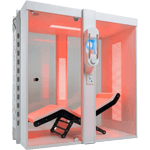 Salt & Red Light
 Vibroacoustics
 Magnetic Field Applications
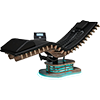 Back therapy system
 WeberBrain
 Pelvic floor training
 iFlow® IVT Therapy
 Frequency ultrasound
 Dermio Care Plus
 Lounge equipment
 Health of Point Diagnostics
 Body analysis
 FRAS 5
 Mobile HRV measurement


Short answer
3D body scan vs. BIA in brief: a 3D body scan optically captures the body’s surface and shows circumferences, volume and posture. It estimates body fat from body shape. BIA measures the body’s electrical impedance and calculates body water and body composition; it is sensitive to hydration. A 3D scanner is not a BIA device. For studios, 3D shows visible changes while BIA provides composition values. Both are meaningful over time only when measurement conditions remain consistent.
Position your facility as a longevity destination.
In a 30-minute session, we'll assess which longevity and biohacking technologies fit your space, your clientele, and your business model — and which don't.
Arrange a ConsultationAt a glance
3D scan measures
body surface → circumferences, volume, posture
BIA measures
electrical impedance → body water, composition
Body fat
calculated by both methods, not measured directly
Influencing factors
3D: posture, clothing · BIA: hydration, food, training
Contact
3D is contactless · BIA uses electrodes
Strongest facility type (3D)
Gym
3D body scan and BIA: two different measurement principles
3D body scan vs. BIA: both methods provide body metrics, but a body analysis device measures very different things depending on its operating principle.
A 3D body scan optically captures the body’s surface and creates a digital model. Bioelectrical impedance analysis (BIA) sends a weak alternating current through the body and measures impedance. Both provide body metrics, but through fundamentally different methods.
For operators, this is more than a technical detail. It determines which values are measured directly and which are only estimated, what affects the measurement and how you explain results to clients.
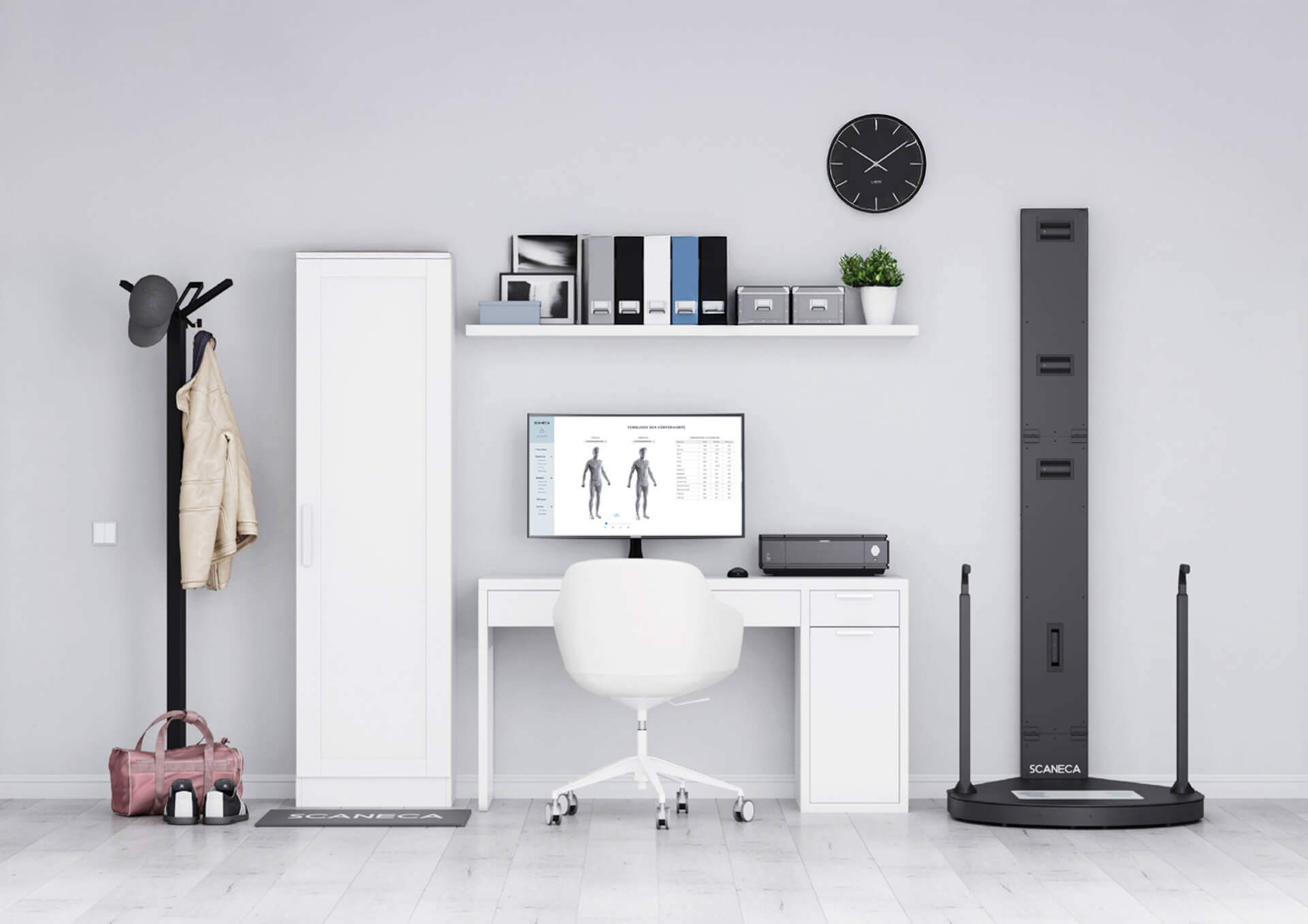
Metrics, presentation and limitations compared
| 3D body scan | BIA | |
|---|---|---|
| Captured directly | body surface, from which circumferences, volume and posture are derived | the body’s electrical impedance |
| Calculated / estimated | body fat percentage and fat-free mass, derived from body shape | body water, fat-free mass and fat mass, using prediction equations |
| Presentation | 3D avatar, changes in circumferences, posture view | numerical values and charts, with segmental results depending on the device |
| Typical influencing factors | body posture, especially abdominal tension, clothing, positioning on the platform | hydration, meals, training, time of day |
| Contact | contactless | skin contact through electrodes |
| Usage considerations | consistent positioning | not suitable for people with implanted electronic devices such as pacemakers |
Important: a 3D scanner is not a BIA device. If a system also reports body water or segmental values, ask whether it includes an additional measurement unit or estimates these values from body shape.
What matters in everyday studio use
In everyday studio use, the precise absolute value is rarely the main concern. It is the trend over time: has anything changed, and can the client see it? The two methods have different strengths here.
- 3D scan: changes in circumferences and silhouette become visible. This supports motivation and is easy to explain.
- BIA: provides information on composition but is sensitive to hydration. Values fluctuate without standardised measurement conditions.
- Both: measurements are comparable only under consistent conditions: the same time of day, clothing and positioning.
- Appointment: the same time of day
- Preparation: clothing, food, training
- Measurement: consistent positioning
- Discussion: trends rather than a single value
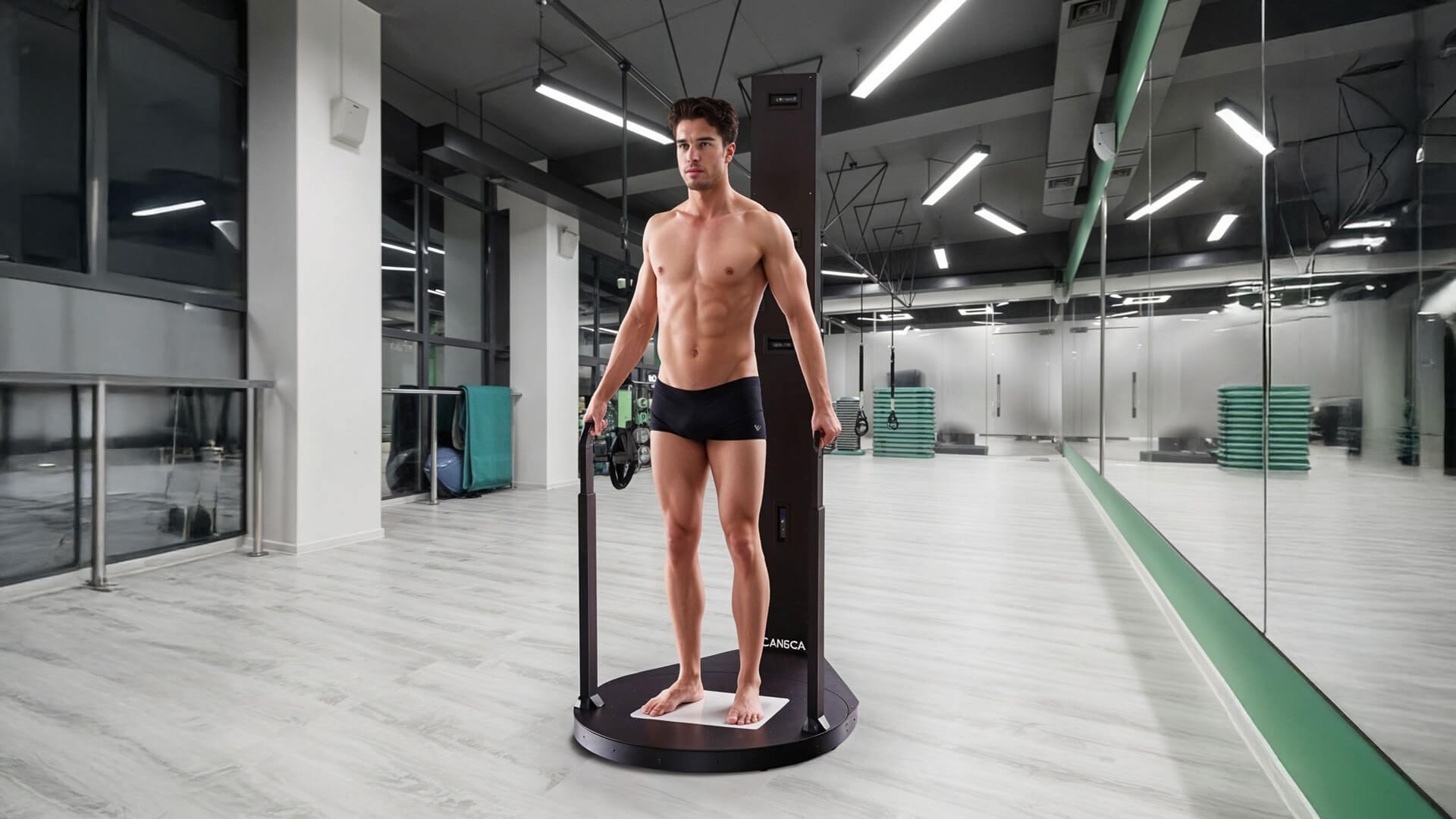
Choosing a body analysis device for your business
The question is: what do you want to show your clients, and how often?
- Visible change, posture and motivation are the priority → 3D scan
- Body composition information with a consistent measurement protocol → BIA
- Both are needed → deliberately combine two methods, rather than treating one as both
HF Concepts offers a 3D system for body analysis. In a live demonstration, we can show you which metrics it captures directly and which it calculates.

HF Concepts Check: how we rate 3D body analysis by facility type
In the HF Concepts Check, we score nine criteria from 1 to 5, always for a specific facility type. The same technology can score strongly in one type of business and moderately in another. That is precisely the point. These scores cover 3D body analysis in a studio setting.
Our assessment after reviewing the technology, based on typical facilities of each type. No guarantee for any individual case.
Gym: 39/45; Longevity centre: 36/45; Physiotherapy practice: 32/45.
Communicating 3D body analysis under German healthcare advertising rules
| Suitable communication | Avoid |
|---|---|
| Make progress visible: circumferences, silhouette, posture | “medically accurate body fat measurement” |
| Contactless, quick, easy to understand | “diagnosis” or “health check” |
| Trends over several weeks rather than a single value | “measures body water” for a purely optical 3D scan |
| Motivation and consultation | Comparisons of values from different devices |
A suitability check before the first session belongs in every professional workflow. Anyone with health concerns should seek medical advice before use.
Ready to add a proven revenue stream?
From cryotherapy to hyperbaric oxygen — explore our full portfolio and request pricing for your facility.
Get a QuoteFrequently asked questions
What is the difference between a 3D body scan and BIA?
A 3D body scan optically captures the body’s surface and derives circumferences, volume and posture. BIA measures the body’s electrical impedance and calculates body water and body composition.
Does a 3D scanner also measure body fat using BIA?
No, not automatically. A 3D scanner estimates body fat from body shape. BIA requires a separate measurement unit with electrodes, which a purely optical 3D scanner does not have.
Which method is more accurate?
Both estimate body fat using models and neither is a reference method. Both are most meaningful when tracking changes under consistent measurement conditions.
What affects a BIA measurement?
Mainly changes in hydration, for example due to meals, drinks, training or the time of day.
What affects a 3D body scan?
Mainly body posture and abdominal tension, clothing and imprecise positioning on the platform.
Transparency: HF Concepts sells some of the technologies discussed here. We therefore assess them against clear criteria and advise against a purchase when the fit is missing.
Note: All information is general and non-medical. The applications discussed are wellness and recovery applications and do not replace medical advice.