
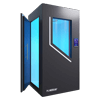
 Electric cryo chamber
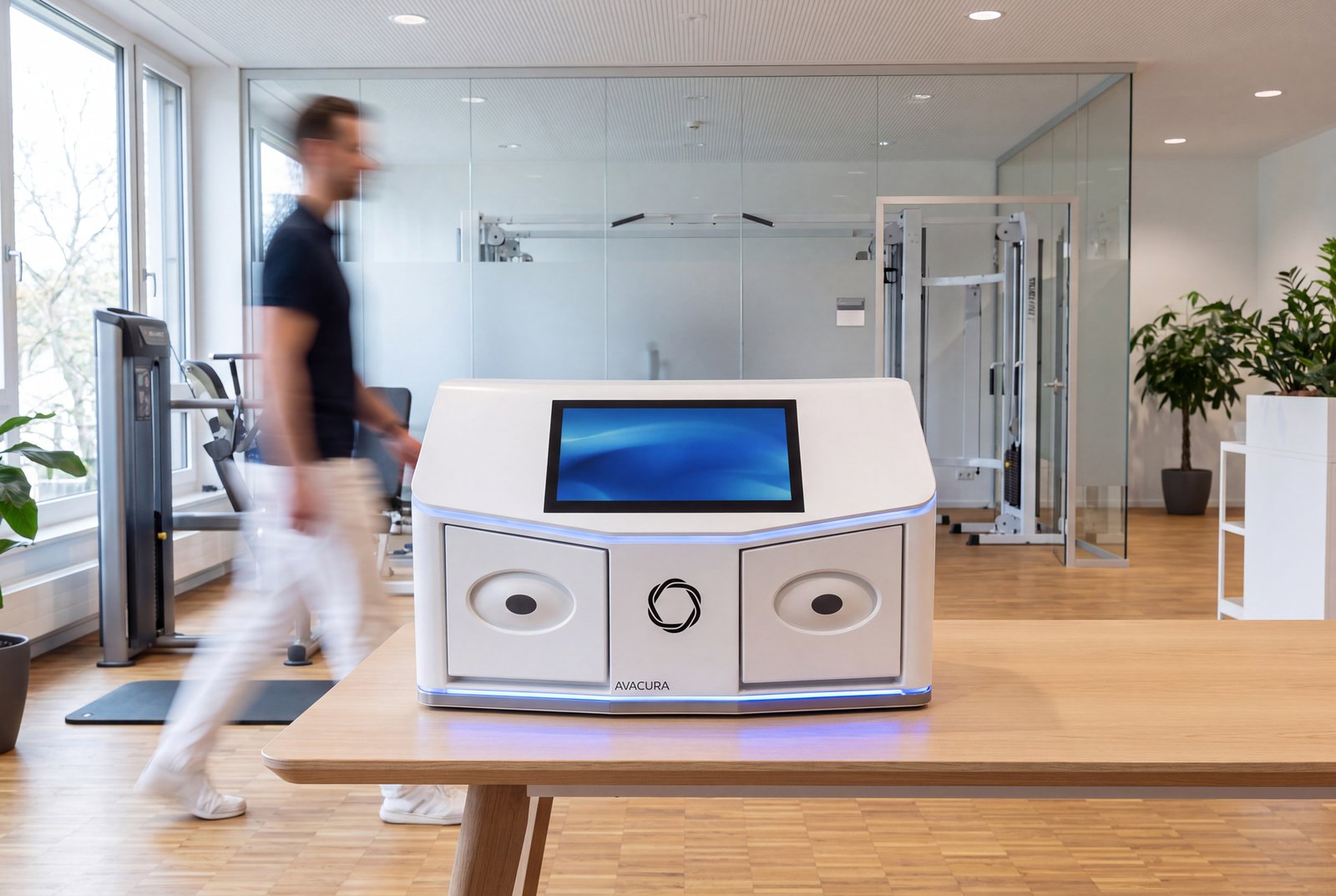
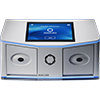 Thermal contrast
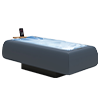 Ice bath 2.0
 Dry Floating
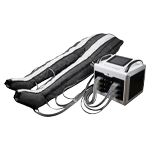 Lymphatic drainage
 Multisensory Regeneration Cabin
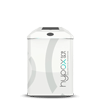 IHHT altitude training
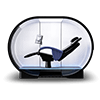 HBOT Oxygen chamber
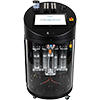 Water Plasma Application
 Red Light Therapy
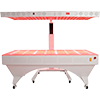 Photobiomodulation
 Cell regeneration
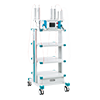 Endolaser
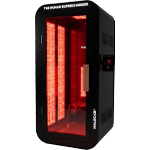 HaloCab Human Supercharger
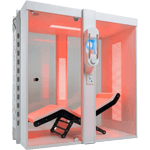 Salt & Red Light
 Vibroacoustics
 Magnetic Field Applications
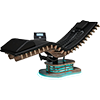 Back therapy system
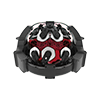 WeberBrain
 Pelvic floor training
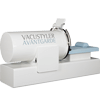 iFlow® IVT Therapy
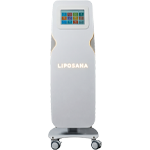 Frequency ultrasound
 Dermio Care Plus
 Lounge equipment
 Health of Point Diagnostics
 Body analysis
 FRAS 5
 Mobile HRV measurement

Short answer
Self-pay services can be introduced credibly in a practice with limited staff time when selection and communication are carefully planned. The bottleneck is delegation to medical assistants, rather than space alone. Viable concepts can fit into 20–30 m². Payback per treatment space matters, alongside communication about benefits and workflow that respects Germany’s healthcare advertising rules and avoids promises of healing.
At a glance
Bottleneck
Delegation to medical assistants
Space required
from around 20–30 m²
Key metric
Price × frequency × repeat bookings
Selection
Limited staff time, clear workflow
Communication
Benefits, workflow, suitability (German HWG rules)
Examples that can be delegated
Thermal contrast, red light, IHHT after training
The real bottleneck: delegation
Your team’s time is the limiting factor. If your medical assistants have no spare capacity, shorten your equipment shortlist. What matters is which applications can be delegated safely.
Choose technologies with low staffing needs
Look for applications requiring limited supervision, a clear workflow and a short briefing. A carefully selected offering should fit the practice’s professional identity. One example is thermal contrast.
| Technology | Supervision required | Suitable settings |
|---|---|---|
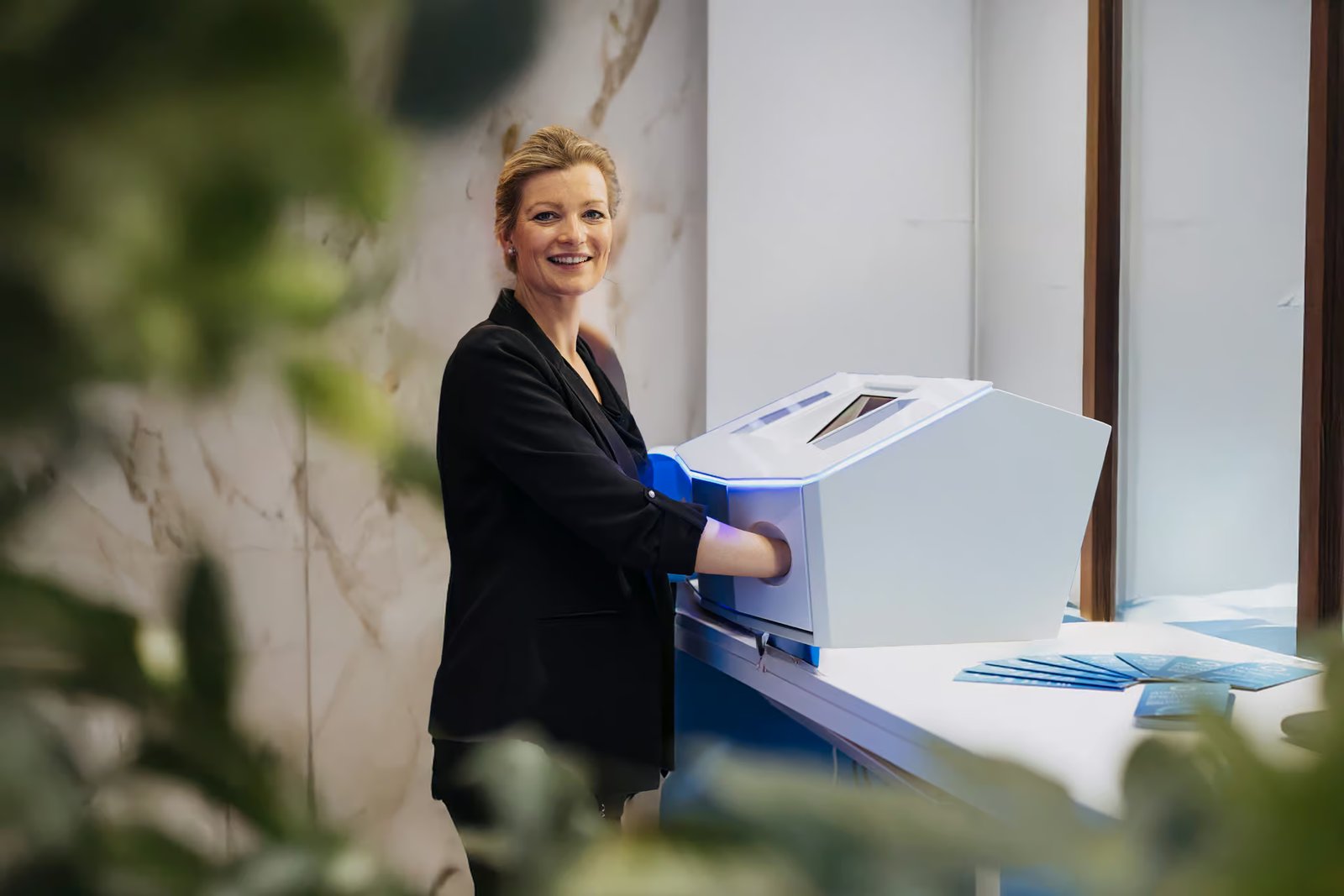
| Thermal contrast (AVACURA®) | low, no changing required | Physiotherapy, medical practices, alternative practitioners |
| Full-body red light system | low after training | Physiotherapy, dermatology, prevention practices |
| IHHT (medical versions) | moderate, supervision needed | Medical practices, preventive medicine |
| Machine-based lymphatic drainage | low to moderate | Physiotherapy, alternative practitioners |
| Body analysis / HRV | low | All practice types, as a starting point |
Medical practices need to consider whether a medical device is required. IHHT includes dedicated hypoxbreath®-med versions described as MDR Class IIa medical devices. See our IHHT Operator Check for details.
Space and payback per treatment area
Viable concepts can fit into 20–30 m². The relevant calculation is price × realistic frequency × repeat bookings.
Six questions before a practice invests
- Which patient groups should the offering address?
- Which applications logically complement the existing services?
- Which rooms, appointment times and staffing resources are realistically available?
- Which technologies can be communicated credibly and clearly?
- Which packages or self-pay offerings make commercial sense?
- How can the offering be marketed without overstating medical claims?
Introduce the offering into everyday practice
Practices can introduce self-pay services step by step: first with existing patients, then with fixed package pricing and active communication in the waiting room, on the website and in consultations. A short staff script helps every medical assistant explain the workflow, price and suitability in a few sentences.
Communication under Germany’s healthcare advertising rules
Explain benefits, workflow and suitability without promising healing. Clear, restrained communication supports patient trust.
| Suitable communication | Avoid |
|---|---|
| Workflow, duration, comfort | Promises of healing and guaranteed results |
| A complement to the treatment concept | A replacement for medical treatment |
| Measurable trends, such as HRV | “clinically proven” without an identifiable study |
For an overview of technologies relevant to therapy and prevention settings, visit our Physiotherapy, Medical Practices & Alternative Practitioners page.
Common mistakes we see in projects
- Equipment without staff planning: devices remain unused if the team has no time to operate them.
- An unfocused offering: too many unrelated services can undermine a practice’s professional identity.
- Treatment claims in the waiting room: flyers promising healing can create legal risks.
- No package pricing: isolated bookings without a series provide little continuity or predictable revenue.
Conclusion
Self-pay services fit a practice when they match its services, team and professional identity. Staff time is the bottleneck, rather than space alone. Choose a small number of applications that can be delegated, offer packages and explain workflow and benefits without promising healing. This creates an additional service that patients can understand as a complement to the practice.
Frequently asked questions
Which self-pay services fit a practice?
Applications with limited staffing needs, a clear workflow and appropriate delegation, matched to the practice’s clients and identity.
How much space do I need?
An additional 20–30 m² can accommodate a viable concept.
Who operates the equipment?
Trained staff after appropriate onboarding, such as medical assistants. The ability to delegate is a central selection criterion.
How do Germany’s HWG rules affect advertising?
Communicate benefits, workflow and suitability without promising healing. Claims about applications fall within the scope of Germany’s healthcare advertising rules.
Can the offering pay for itself?
It can, based on payback per treatment area and repeat bookings, calculated for your location.
Do self-pay services require a medical device?
That depends on the application and how it is presented. Commercial devices may be sufficient for wellness and training offerings. Where a medical purpose is intended, the device’s status and the legal classification need to be checked.
How can I introduce new services to the team?
Use a short training session, a clear workflow and a discussion guide so all staff explain benefits, pricing and suitability consistently.
How should I explain self-pay services to patients?
Present them factually as a complement to the existing offering. Explain the workflow, duration, price and suitability. A short information sheet and a consistent staff script help build trust.
Transparency: HF Concepts sells some of the technologies discussed here. We therefore assess them against clear criteria and advise against a purchase when the fit is missing.
Note: All information is general and non-medical. The applications discussed are wellness and recovery applications and do not replace medical advice.