
 Electric cryo chamber
 Thermal contrast
 Ice bath 2.0
 Dry Floating
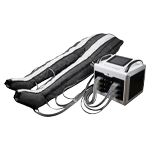 Lymphatic drainage
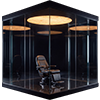 Multisensory Regeneration Cabin
 IHHT altitude training
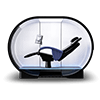 HBOT Oxygen chamber
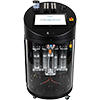 Water Plasma Application
 Red Light Therapy
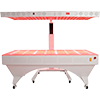 Photobiomodulation
 Cell regeneration
 Endolaser
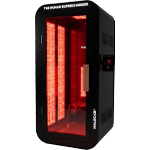 HaloCab Human Supercharger
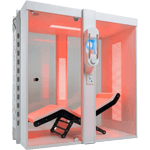 Salt & Red Light
 Vibroacoustics
 Magnetic Field Applications
 Back therapy system
 WeberBrain
 Pelvic floor training
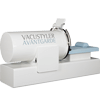 iFlow® IVT Therapy
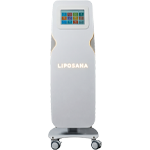 Frequency ultrasound
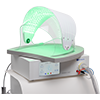 Dermio Care Plus
 Lounge equipment
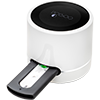 Health of Point Diagnostics
 Body analysis
 FRAS 5
 Mobile HRV measurement
Short answer
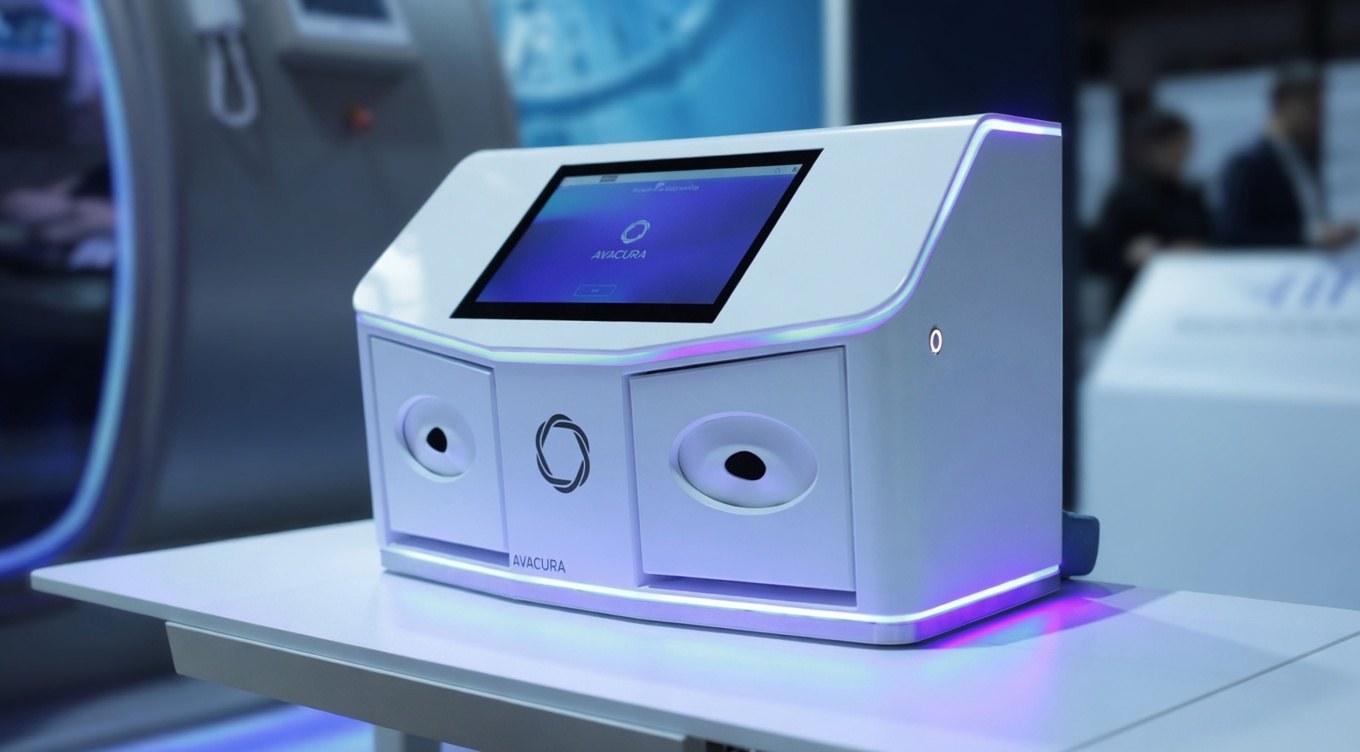
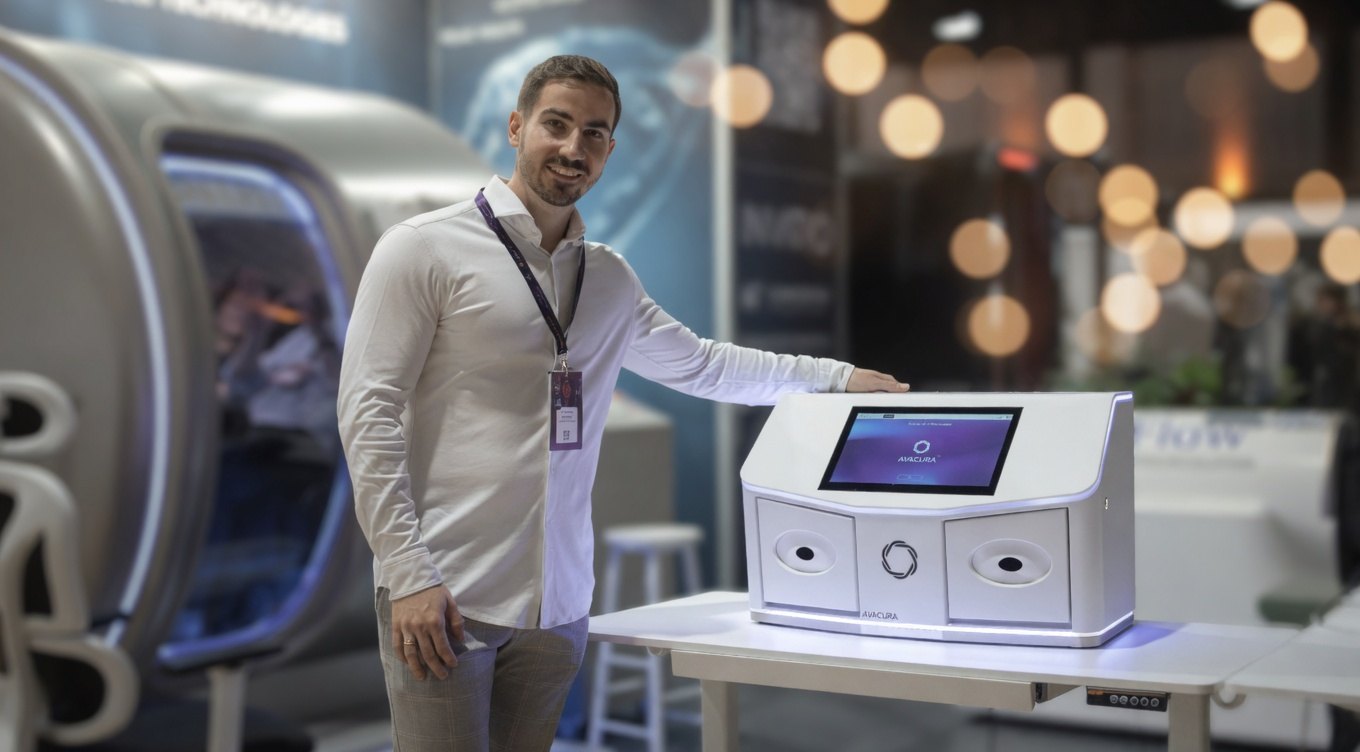
A thermal contrast system such as AVACURA® applies precisely alternating cold and heat stimuli through the palms of the hands (between 4 °C and 43 °C according to the manufacturer), combined with controlled negative pressure and integrated real-time HRV measurement. Sessions run fully automatically, without changing clothes, on a footprint of about 1 m². For operators, the key strengths are minimal staff time and measurable data. Commercially, it works best as a component of programs and memberships rather than as an expensive stand-alone session.
Position your facility as a longevity destination.
In a 30-minute session, we'll assess which longevity and biohacking technologies fit your space, your clientele, and your business model — and which don't.
Arrange a ConsultationAt a glance
Footprint
approx. 1 m², plug & play
Temperature range
4 °C to 43 °C, alternating (manufacturer data)
Changing required
No
Staff
Onboarding, then largely self-running
Measurement
Real-time HRV, automatic documentation
Strongest facility type
Longevity centers and private practices
What is thermal contrast therapy?
The principle is old, the execution is new: cold and heat stimuli alternate. Most people know this from contrast showers or hot-cold baths. A thermal contrast system such as AVACURA®, however, does not apply these stimuli to the whole body but specifically to the palms of the hands. They are densely supplied with blood vessels and closely linked to the body’s thermoregulation, which is why the manufacturer describes them as a thermal window.
The key technical difference from a water bath is controlled negative pressure. It is designed to prevent the vessels in the hand from reflexively constricting in the cold, so the temperature stimulus reaches the circulation more effectively. The manufacturer refers to palm-cooling research that began with the US military in the 1990s and was continued at Stanford University.
For your marketing: thermal contrast therapy is a wellness and recovery application, not a medical treatment. A plausible mechanism, manufacturer claims and robust evidence are three different things. Keeping them apart keeps your communication compliant and credible.
What does a session look like?
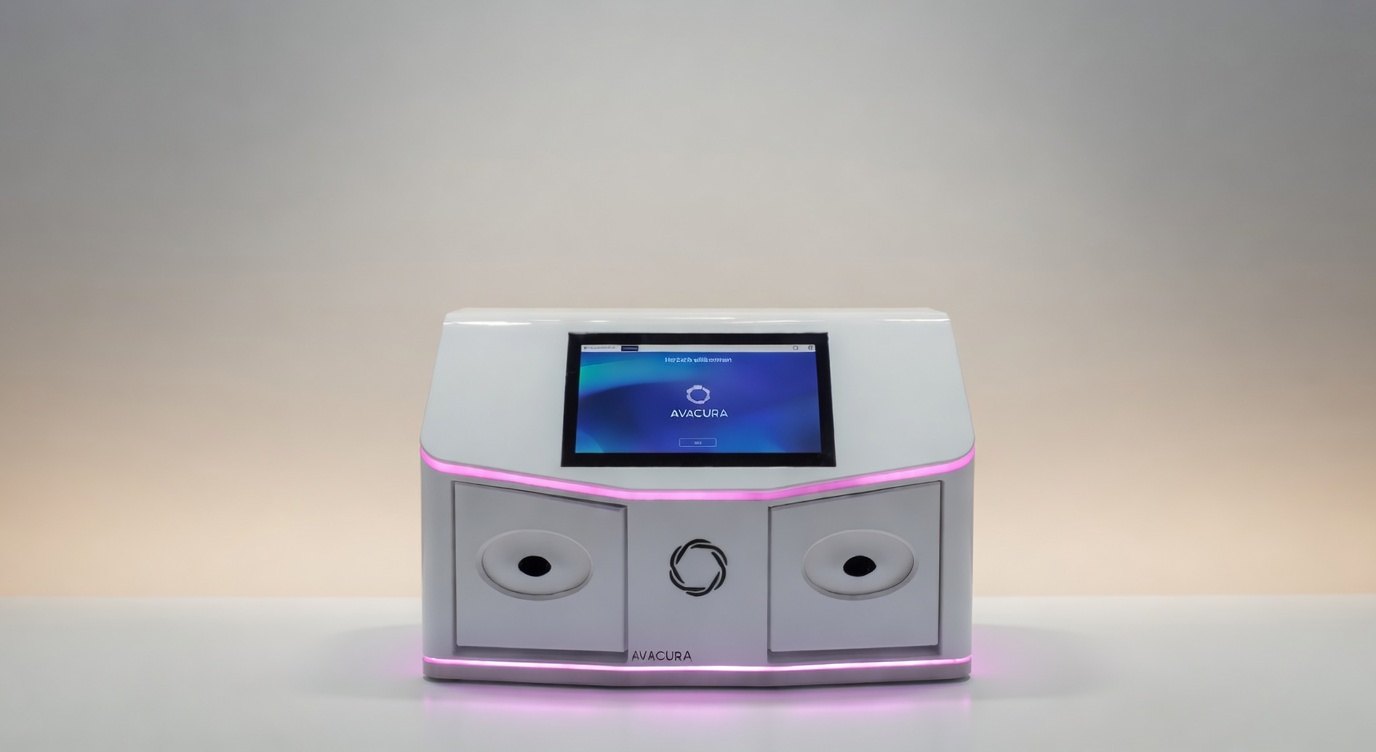
From an operator’s perspective, the workflow is the real selling point. The client places their hands on the contact surfaces, the device calibrates to height and weight, and a preset starts on the touchscreen. During the session, the integrated HBA system measures heart rate variability (HRV) and displays the nervous system’s response live. Every session documents itself.
- No preparation: no changing, no showering, no sweating.
- Short cycles: manufacturer protocols use application cycles of a few minutes, depending on the profile (recovery, regulation, longevity).
- Automated control: temperature changes and negative pressure are software-controlled.
- Measurable progress: HRV trends and session parameters are stored and can be shown over the course of a program.
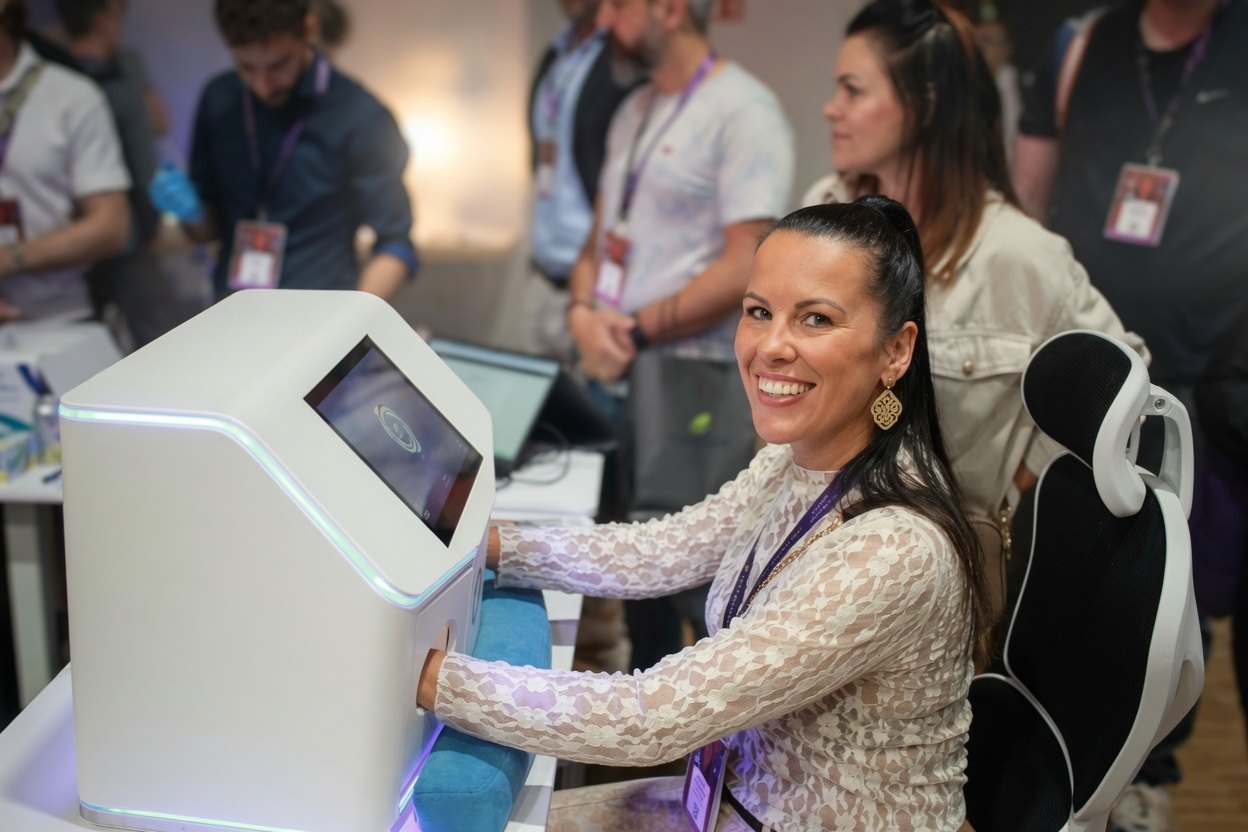
What it means for space, staff and workflow
Most recovery technologies don’t fail on technology. They fail on floor space, changing rooms and staff time. This is exactly where thermal contrast therapy differs clearly from a whole-body cryo chamber.
| Criterion | Thermal contrast (AVACURA®) | Electric cryo chamber |
|---|---|---|
| Footprint | approx. 1 m² | several m² incl. access |
| Changing | not required | required (cold protection) |
| Stimulus | palms | whole body, down to −110 °C |
| Staff | onboarding, then self-running | onboarding and supervision per session |
| Integrated measurement | real-time HRV | depends on system |
| Role in your offer | component, add-on, program element | signature treatment, reason to book |
The honest consequence: thermal contrast therapy is rarely the reason a client comes to you. But it is one of the simplest reasons why they stay longer and come back.
HF Concepts Check: how we rate the technology by facility type
In the HF Concepts Check, we score nine criteria from 1 to 5, always for a specific facility type. The same technology can score high in a longevity center and average in a hotel. That is precisely the point.
Our assessment after reviewing the technology, based on typical facilities of each type. No guarantee for any individual case.
Longevity center: This is where the technology shows its full strength. HRV data feeds into programs, the application fits before or after other technologies, and it works well inside a membership.
Private practice: Easy to delegate to assistants, credible positioning, measurable progress. It barely touches the staffing bottleneck, which is a strong argument for practices building self-pay services.
Hotel & spa: Too quiet to be a reason to book on its own. It makes sense as part of a recovery lounge or arrival routine for multi-day stays. Short stays lack the repeat use that drives the revenue criterion.
How the numbers work
Because sessions are short and require little staff time, the contribution margin per session is high. The typical mistake is pricing: sold as an expensive single session, the short duration quickly feels disproportionate to clients. These three models work better:
- Program component: a fixed part of a multi-week recovery or longevity program, with HRV trends as visible progress.
- Membership benefit: unlimited or capped within a membership, as a reason for more frequent visits.
- Add-on before or after a main treatment: for example before IHHT or after training, at a small surcharge.
The metric that matters stays the same: price × realistic frequency × rebooking rate. I show how to calculate break-even robustly in The Utilization Trap: How to Calculate Break-Even Realistically.
How to communicate it compliantly
| Safe to communicate | Avoid |
|---|---|
| Alternating cold and heat through the palms | “heals”, “treats”, “cures” conditions |
| HRV measurement makes the response visible | “lowers blood pressure” or other outcome claims |
| Recovery after exertion, well-being | “detoxifies”, “activates self-healing” |
| No changing, a few minutes, comfortable | “scientifically proven” without a citable study |
A suitability questionnaire before the first session belongs in every professional workflow. Anyone with health concerns should consult a physician before use.
Ready to add a proven revenue stream?
From cryotherapy to hyperbaric oxygen — explore our full portfolio and request pricing for your facility.
Get a QuoteFrequently asked questions
What is thermal contrast therapy?
An application in which cold and heat stimuli alternate at defined intervals. With AVACURA®, this is done through the palms, combined with controlled negative pressure and integrated HRV measurement.
How long does a session take?
Manufacturer protocols use short cycles of a few minutes. The exact duration depends on the selected application profile.
Does it require additional staff?
After onboarding, sessions run largely on their own. You should still plan staff time for greeting, the suitability check and explaining HRV results.
How is it different from a cryo chamber?
A cryo chamber is a whole-body stimulus down to −110 °C and requires changing and more space. Thermal contrast therapy works locally through the palms, on about 1 m² and without changing. Both play different roles in an offer.
Who should not use it?
Anyone with health conditions or concerns should consult a physician first. According to the manufacturer, temporary redness or slight swelling of the hand may occur.
Which facilities does thermal contrast therapy pay off for?
Mainly longevity centers and private practices that work with programs or memberships. In hotels, it fits best as part of a recovery journey for longer stays.
Transparency: HF Concepts sells some of the technologies discussed here. That’s why we assess against clear criteria and advise against a purchase when the fit is missing.
Note: All information is general, non-medical information. The applications discussed are wellness and recovery applications and do not replace medical advice.