
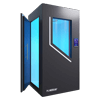
 Electric cryo chamber
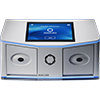 Thermal contrast
 Ice bath 2.0
 Dry Floating
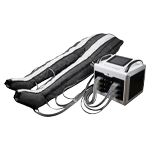 Lymphatic drainage
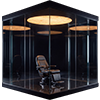 Multisensory Regeneration Cabin
 IHHT altitude training
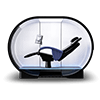 HBOT Oxygen chamber
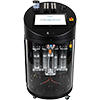 Water Plasma Application
 Red Light Therapy
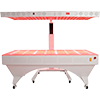 Photobiomodulation
 Cell regeneration
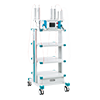 Endolaser
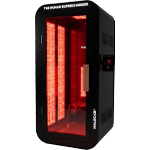 HaloCab Human Supercharger
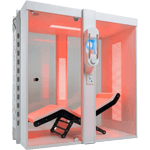 Salt & Red Light
 Vibroacoustics
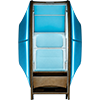 Magnetic Field Applications
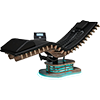 Back therapy system
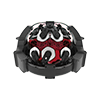 WeberBrain
 Pelvic floor training
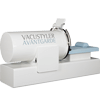 iFlow® IVT Therapy
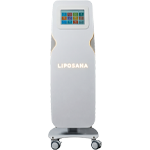 Frequency ultrasound
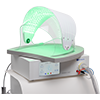 Dermio Care Plus
 Lounge equipment
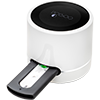 Health of Point Diagnostics
 Body analysis
 FRAS 5
 Mobile HRV measurement

Short answer
Recovery and longevity offerings can increase revenue per member and support retention when they are structured as memberships or packages. A common mistake is leaving a recovery device unused because pricing, the client journey and active selling have not been planned. Short applications that staff can supervise with limited time, such as red light, cold or compression, can work in a small space when utilisation is planned realistically.
At a glance
Strongest model
Membership or package
Most common mistake
Equipment without clear pricing or active selling
Technologies to start with
Red light, compression, cold
Key metric
Return per square metre rather than purchase price
New target groups
People aged 40+ and executives
Reasons to visit
before and after training, and on rest days
Why recovery equipment sits unused
Many gyms have bought individual devices that now sit unused: an equipment graveyard. Without clear pricing and active selling, utilisation calculations remain hypothetical.
Additional revenue per member: memberships and repeat use
Memberships can offer a stronger model than individual sessions across many facility types. They can also attract new groups, such as people aged 40+ and executives, helping differentiate your gym from low-cost competitors.

Match applications to moments in the member journey
| Category | When to offer it | Examples |
|---|---|---|
| Recovery & regeneration | after a workout | Cryo chamber, red light, lymphatic drainage, dry floating |
| Activation & preparation | before a workout | IHHT, photobiomodulation, breathing training |
| Wellness & relaxation | on rest days | HaloCab (salt, aroma, frequencies), dry floating |
| Body analysis & progress | consultation appointments | HRV, bioimpedance, 3D analysis |
| Longevity & biohacking | premium membership tier | HBOT, altitude training |
The greatest potential often lies within your existing membership. Recovery offerings create reasons to visit on non-training days and make the gym part of a routine, rather than just a place for a workout.
Return per square metre: can it work in 30 m²?
Short sessions allow high throughput in a small space. What matters is the return per square metre, supported by a marketing plan, rather than the equipment’s purchase price alone.
Four pricing models for recovery in a gym
| Model | How it works | Suitable for |
|---|---|---|
| Single booking | A session at a fixed price | First visits and trials |
| Package | For example, a 10-session pass | Regular users |
| Upgrade | A supplement to the membership fee | A broad member base |
| Premium membership | Recovery included | People aged 40+ and executives willing to pay for the offering |
You can also create corporate packages: businesses book recovery allowances for their employees. We explain this in Corporate Health with Longevity.
Bring existing equipment back into use
A red light panel becomes a bookable service when it has a clear place in the member journey.
Build your recovery offering in four steps
- Analysis: who are your members, which spaces are available and which positioning do you want to strengthen?
- Selection: which applications fit your finances, space and strategy?
- Concept: pricing model, booking process and a short script for staff.
- Launch: installation, staff training and communication in the gym.
Side rooms, unused corners or underused class studios can often become spaces for bookable applications without major alterations. Read more on our Fitness Clubs & EMS Studios page.
Common mistakes we see in projects
- No clear pricing: recovery offered as a free extra produces no additional revenue and is easily undervalued.
- No active selling by staff: members are unlikely to book if the reception team does not explain the offering.
- The wrong location: place recovery where members pass after training.
- Single sessions priced too high: members may try a session, but packages or upgrades give them a reason to continue.
Conclusion
Recovery can add value to training. Gyms that offer red light, cold, lymphatic drainage or dry floating as packages, upgrades or premium memberships create more reasons to visit and opportunities for additional revenue from existing members. Clear pricing, the right location and a team that actively explains the offering are decisive.
Frequently asked questions
Will my members pay extra for recovery?
They may, when recovery is offered as a package or membership with a clear benefit. Demand is likely to remain low when it is an isolated extra that nobody explains or sells.
Can recovery work in a small space?
Short applications that can be delegated to trained staff allow high throughput per square metre. The relevant metric is the return per square metre, rather than the purchase price alone.
My red light panel sits unused. What should I do?
It usually lacks a clear role in the member journey and pricing model. A relaunch plan and a staff script can turn it into an actively offered service.
Which technologies suit a first recovery offering?
Red light, compression and cold, because of their short sessions and straightforward operation.
Which recovery application needs the least staff time?
Red light, thermal contrast and dry floating run largely on their own after a short briefing. Cryo chambers and IHHT need more supervision.
How much space do I need for a recovery area?
A side room of around 20–30 m² can accommodate two to three compact applications.
How can I encourage members to pay for recovery?
Offer a free or low-cost trial, clear package pricing and a team that explains the benefits in a conversation after training.
Transparency: HF Concepts sells some of the technologies discussed here. We therefore assess them against clear criteria and advise against a purchase when the fit is missing.
Note: All information is general and non-medical. The applications discussed are wellness and recovery applications and do not replace medical advice.