
 Electric cryo chamber
 Thermal contrast
 Ice bath 2.0
 Dry Floating
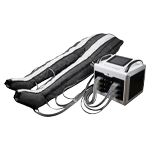 Lymphatic drainage
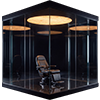 Multisensory Regeneration Cabin
 IHHT altitude training
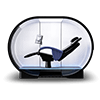 HBOT Oxygen chamber
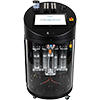 Water Plasma Application
 Red Light Therapy
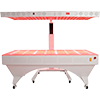 Photobiomodulation
 Cell regeneration
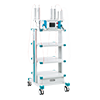 Endolaser
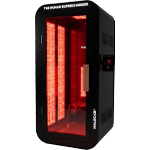 HaloCab Human Supercharger
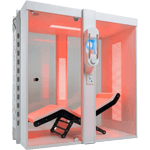 Salt & Red Light
 Vibroacoustics
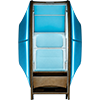 Magnetic Field Applications
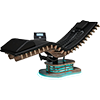 Back therapy system
 WeberBrain
 Pelvic floor training
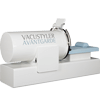 iFlow® IVT Therapy
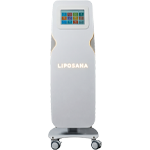 Frequency ultrasound
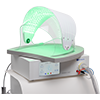 Dermio Care Plus
 Lounge equipment
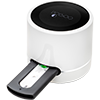 Health of Point Diagnostics
 Body analysis
 FRAS 5
 Mobile HRV measurement
Short answer
In corporate health, longevity technology provides tangible recovery and relaxation offers for employees instead of fruit-basket symbolism. Short, delegable applications such as red light, compression and possibly IHHT fit into breaks and workflows. Key are a low-threshold booking model and communication about well-being and performance, not medical effects.
At a glance
Suitable applications
red light, compression, optional IHHT
Use case
short recovery breaks
Booking
slots or app, low-threshold
Proof of benefit
usage rate, feedback, analyses
Communication
well-being and performance
Formats
recovery slots, analysis appointments, packages, membership
Why a fruit basket isn’t enough
For companies that want to enable recovery and modern health offers at the workplace, tangible benefit is what counts. It affects retention and employer branding.
Many companies have the demand, but daily routines win: meetings, shift schedules, screen work and hybrid working make it hard to use classic corporate fitness regularly. Many offers therefore fail not for lack of interest, but because they don’t fit into the day. Single devices don’t make an offer, and furnished rooms often stay empty without a clear structure.
Which applications fit the workplace
Red light and compression suit short recovery breaks; IHHT can be added as a program-based offer.
| Category | Goal | Examples |
|---|---|---|
| Recovery | winding down after screen time, meetings, travel | red light, near-infrared, dry floating, recovery lounge |
| Stress balance & nervous system | calm breaks, focus | HRV measurement, binaural vibroacoustics, dry floating |
| Energy & activation | short session before focused work | IHHT, photobiomodulation, lymphatic drainage |
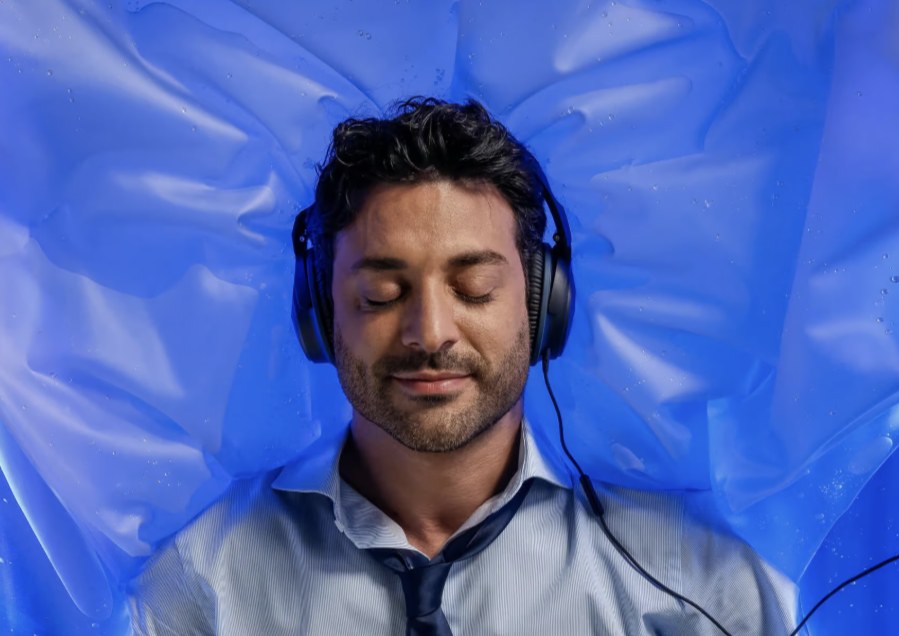
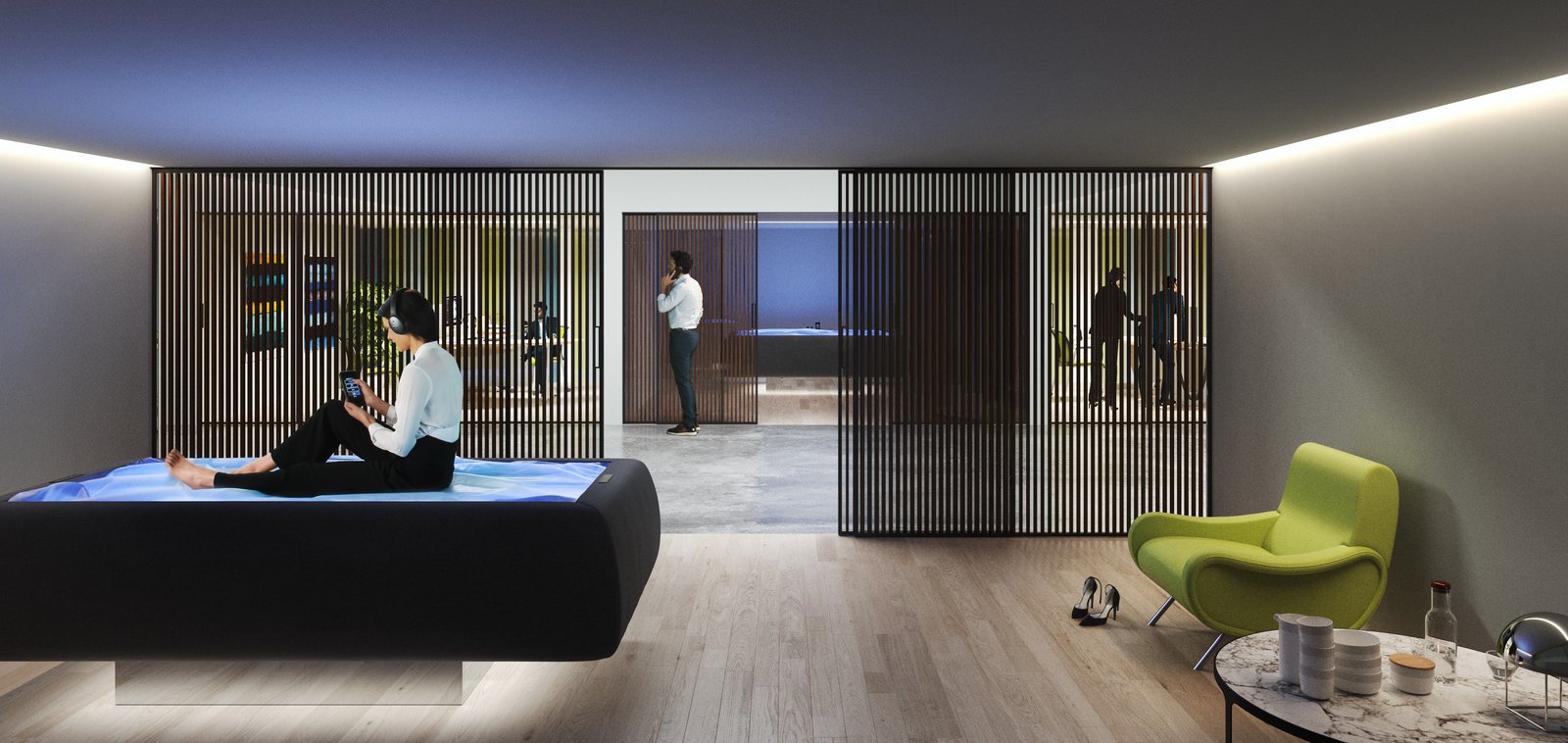
Applications without changing and with short duration work particularly well. Dry floating, for example, can be used in business clothes and therefore fits well into a lunch break.
Operating and booking model in the company
Whether an in-house room or supervised slots: the model must fit the size of the workforce. Without easy booking, utilization stays low.
Booking formats that work
| Format | Description |
|---|---|
| Recovery slots | 15–30 minutes, bookable via app or intranet |
| Analysis appointments | e.g. HRV measurement with a short evaluation |
| Recovery packages | fixed series for teams or executives |
| Membership | for companies with their own health area |
What matters is that employees immediately understand benefit, process and access. Technologies that need explaining, such as IHHT or HRV, require clear, short language in internal communication, otherwise the offer disappears as just another workplace health initiative.
Making the benefit measurable
Corporate budgets need evidence. Communicate it as well-being and performance, not medical effects.
How a company plans its health area
- Understand the workforce: size, working hours, shifts, office days.
- Check the space: existing gym, unused office space, quiet rooms.
- Select applications: easy to explain, safe to operate, realistic in time.
- Clarify supervision: how much onboarding and presence is needed?
- Set up communication: launch event, intranet, short explanations per application.
Key metrics for budget decisions are usage rate, rebookings and employee feedback. More on suitable technologies on our corporate fitness page.
Common mistakes we see in projects
- Gym without a concept: devices alone don’t create regular use.
- Applications that take too long: anything over 30 minutes rarely fits into a break.
- Complicated booking: every extra click lowers usage.
- Health promises in internal communication: well-being and performance are the right terms.
Conclusion
Corporate health with longevity technology works when applications are short, easy to understand and simple to book. Red light, dry floating, HRV measurement or IHHT create an offer for recovery, stress balance and energy that employees actually use. With a clear structure, suitable space and good internal communication, a room with devices becomes a health offer that strengthens retention and employer branding.
Frequently asked questions
Which longevity offers are suitable for companies?
Short, delegable applications for recovery and relaxation, such as red light and compression, optionally IHHT as a program.
How do we integrate it into the working day?
With a low-threshold booking model (slots or app) and delegable supervision, matched to workforce size and workflows.
How do we prove the benefit?
Through usage rate, employee feedback and optional analyses, as a basis for budget decisions.
Can we advertise health effects?
Communicate well-being, recovery and performance instead of medical promises.
How much space does a workplace health area need?
A room of 20–30 m² is often enough for two to three compact applications. Existing gym or quiet rooms can usually be repurposed.
Which applications work without changing clothes?
Dry floating, red light, thermal contrast and HRV measurements can be used in everyday clothes and fit well into breaks.
Who supervises the devices in a company?
Depending on the application, trained employees or supervised slots by external partners are enough. Many applications run largely on their own after short onboarding.
Transparency: HF Concepts sells some of the technologies discussed here. That’s why we assess against clear criteria and advise against a purchase when the fit is missing.
Note: All information is general, non-medical information. The applications discussed are wellness and recovery applications and do not replace medical advice.