
 Electric cryo chamber
 Thermal contrast
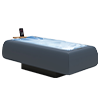 Ice bath 2.0
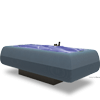 Dry Floating
 Lymphatic drainage
 Multisensory Regeneration Cabin
 IHHT altitude training
 HBOT Oxygen chamber
 Water Plasma Application
 Red Light Therapy
 Photobiomodulation
 Cell regeneration
 Endolaser
 HaloCab Human Supercharger
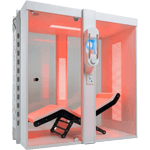 Salt & Red Light
 Vibroacoustics
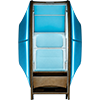 Magnetic Field Applications
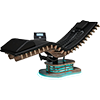 Back therapy system
 WeberBrain
 Pelvic floor training
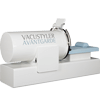 iFlow® IVT Therapy
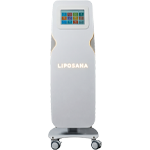 Frequency ultrasound
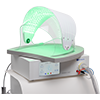 Dermio Care Plus
 Lounge equipment
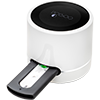 Health of Point Diagnostics
 Body analysis
 FRAS 5
 Mobile HRV measurement

Short answer
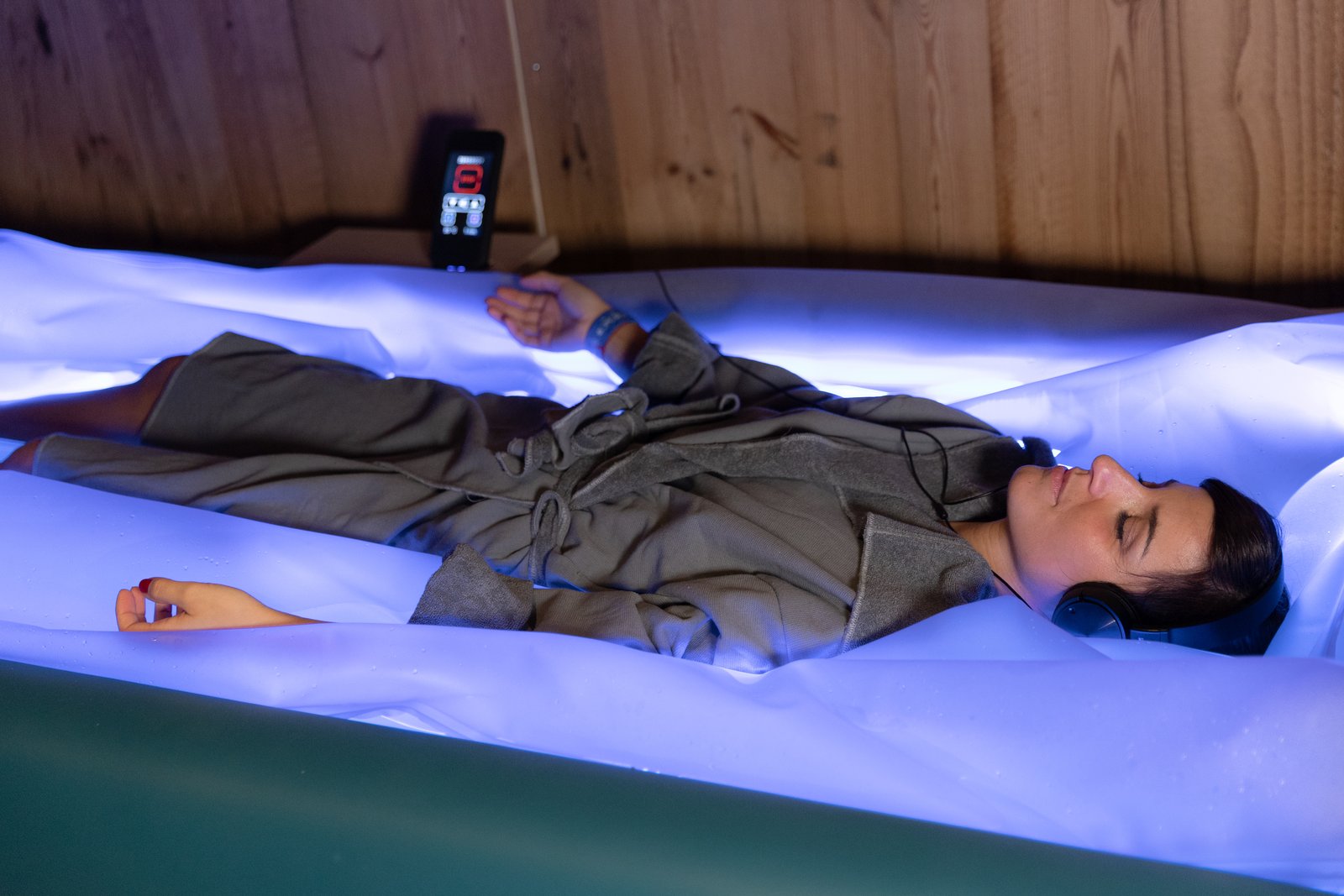
Dry floating and Ice Bath 2.0 turn two well-known applications into a dry format. With dry floating, the user lies fully clothed on a flexible membrane above several hundred liters of warm water. With Ice Bath 2.0, a membrane envelops the body at 4 to 6 °C without it getting wet. For operators, changing, showering and water hygiene are eliminated. That makes both applications especially well suited to hotels, gyms and companies.
At a glance
Dry floating
warm water surface under a membrane, used fully clothed
Ice Bath 2.0
4–6 °C, body stays dry
Changing / showering
not required
Dry floating session
approx. 30–60 min, depending on program
Origin
Zerobody, made in Italy
Strongest facility type
hotel & resort
What are dry floating and Ice Bath 2.0?
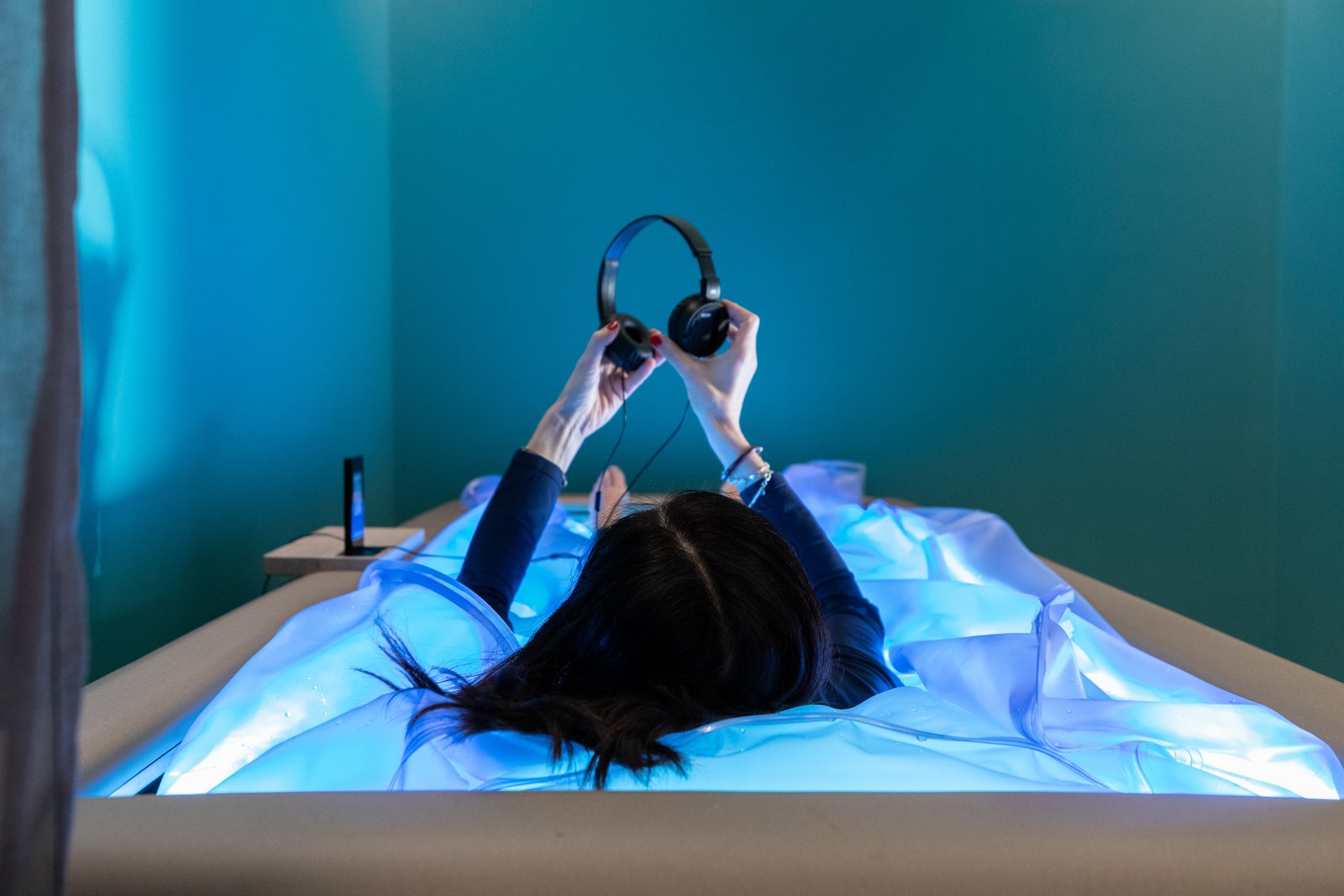
Both applications come from Zerobody in Italy and share the same principle: a flexible, patented membrane separates the body from the water. With dry floating, the user lies on several hundred liters of temperature-controlled water. The water supports the body and creates a floating, weightless sensation similar to classic floating in salt water.
Ice Bath 2.0 applies the same idea to cold. The body is enveloped by a membrane, with water at 4 to 6 °C beneath it. The cold stimulus occurs without skin or clothes getting wet. According to the manufacturer, both applications can be combined, for example as a cold-and-warm sequence in a recovery area.
For your marketing: dry floating and Ice Bath 2.0 are wellness and recovery applications. Avoid phrases such as “scientifically proven” or “most effective method”. Talk about process, calm, and the cold and warmth experience.
What does a session look like?
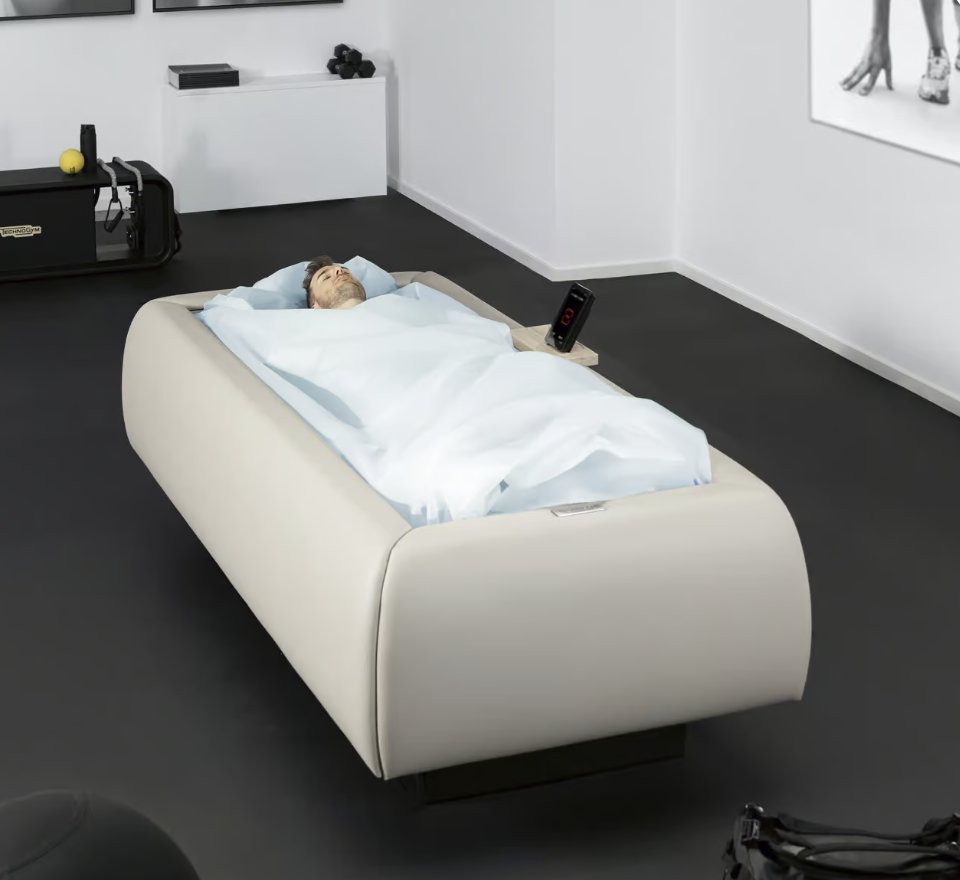
With dry floating, the guest lies down fully clothed and staff start a program via the intuitive controls. Audio programs, light and, depending on configuration, massage functions deepen relaxation. According to the manufacturer’s page, a session usually lasts 30 minutes to one hour.
Ice Bath 2.0 is just as simple: lie down, the membrane envelops the body, cold phase, get up. Because nothing needs drying and nobody needs to shower, the room is immediately ready for the next guest.
What dry applications mean for space, staff and hygiene
| Criterion | Dry floating | Classic float tank | Ice Bath 2.0 | Classic ice bath |
|---|---|---|---|---|
| Changing | no | yes | no | yes |
| Shower afterwards | no | yes | no | usually yes |
| Water treatment | no (closed system) | yes, complex | no (closed system) | yes, regularly |
| Changeover time | short | long | short | medium |
| Room requirements | quiet room | wet area, technology | room without wet area | wet area |
The commercial core is in the table: every minute not spent on changing, showering or cleaning is available for bookings. Neither application needs a wet area, which saves fit-out costs.
Where dry floating and Ice Bath 2.0 play to their strengths
- Hotel & resort: dry floating as a calm premium experience in the spa or recovery lounge, including for guests without a wellness routine.
- Gym: Ice Bath 2.0 after training, dry floating on rest days, both without changing-room congestion.
- Companies: dry floating works in business clothes and fits into a lunch break.
- Professional sports: according to the manufacturer, numerous US pro sports teams and universities use dry floating for recovery.
How the applications pay off
Dry floating is an experience product with high rebooking potential when positioned as a calm time-out. In hotels, it works as a bookable spa application or part of a recovery package; in companies, as a slot offer within workplace health. Ice Bath 2.0 adds a short, impressive cold application and lowers the barrier for guests who would never try a classic ice bath.
How to calculate utilization realistically is shown in The Utilization Trap. How dry floating fits into workplace health offers is covered in Corporate Health with Longevity. Technical details are on the pages for the dry floating bed and Ice Bath 2.0.
HF Concepts Check: how we rate dry floating and Ice Bath 2.0 by facility type
In the HF Concepts Check, we score nine criteria from 1 to 5: client benefit, plausibility & regulation, target fit, investment, marketability, integration, time & staff, earnings and differentiation. The score always applies to a specific facility type. Select the facility that matches yours in the scorecard.
Our assessment after reviewing the technology, based on typical facilities of each type. No guarantee for any individual case.
Hotel & resort (37): a calm premium experience without changing or a wet area, ideal for spa and recovery lounge.
Gym (35): Ice Bath 2.0 after training and dry floating on rest days create new usage moments.
Corporate (34): usable in business clothes and suited to breaks; earnings depend on the workplace health budget.
Physio practice (31): possible as a relaxation component, but less closely aligned with treatment.
Common mistakes we see in projects
- Wrong room: dry floating needs calm and dimmed light, not a spot next to the equipment area.
- Slots too short: selling 20-minute slots wastes the experience and frustrates guests.
- Overstated promises: calling it the “most effective method” against stress is legally risky.
- Ice Bath 2.0 in isolation: as a standalone cold application it rarely gets booked; as part of a recovery sequence much more often.
Conclusion
Dry floating and Ice Bath 2.0 solve the biggest problem of their wet counterparts: effort. No changing, no showering, no water hygiene. Dry floating is a strong calm experience with short changeovers, especially for hotels, gyms and companies. Ice Bath 2.0 makes cold accessible to people who would otherwise avoid an ice bath. Together, they form a recovery sequence that needs no wet area.
Frequently asked questions
What is dry floating?
A dry floating application: the user lies fully clothed on a flexible membrane above warm water and experiences a floating, weightless sensation without getting wet.
How cold is Ice Bath 2.0?
According to the manufacturer, the water under the membrane is 4 to 6 °C. The body stays dry.
How long does a dry floating session take?
According to the manufacturer’s page, usually 30 minutes to one hour, depending on the program.
Do you need a wet area?
No. Both systems are closed, with no direct water contact and no water treatment like a float tank.
Who should not use it?
Pregnant women and people with health concerns should check with a physician beforehand whether dry floating or cold exposure suits them.
Can dry floating and Ice Bath 2.0 be combined?
Yes, according to the manufacturer they complement each other, for example as a sequence of cold stimulus and warm, calm relief in a recovery area.
Transparency: HF Concepts sells some of the technologies discussed here. That’s why we assess against clear criteria and advise against a purchase when the fit is missing.
Note: All information is general, non-medical information. The applications discussed are wellness and recovery applications and do not replace medical advice.