
 Electric cryo chamber
 Thermal contrast
 Ice bath 2.0
 Dry Floating
 Lymphatic drainage
 Multisensory Regeneration Cabin
 IHHT altitude training
 HBOT Oxygen chamber
 Water Plasma Application
 Red Light Therapy
 Photobiomodulation
 Cell regeneration
 Endolaser
 HaloCab Human Supercharger
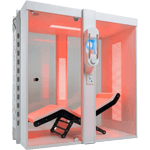 Salt & Red Light
 Vibroacoustics
 Magnetic Field Applications
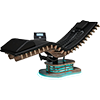 Back therapy system
 WeberBrain
 Pelvic floor training
 iFlow® IVT Therapy
 Frequency ultrasound
 Dermio Care Plus
 Lounge equipment
 Health of Point Diagnostics
 Body analysis
 FRAS 5
 Mobile HRV measurement


Short answer
An electromagnetic pelvic floor trainer such as the PelviPower™ is a training chair: the client sits fully clothed, a magnetic field in the seat stimulates the pelvic floor muscles, and a session lasts around 20 minutes. Three things are decisive when introducing it into a practice: clarifying the device’s intended purpose, checking exclusion criteria before every first appointment and defining professional responsibilities within the team. Promises of healing have no place in the communication.
Position your facility as a longevity destination.
In a 30-minute session, we'll assess which longevity and biohacking technologies fit your space, your clientele, and your business model — and which don't.
Arrange a ConsultationAt a glance
Application
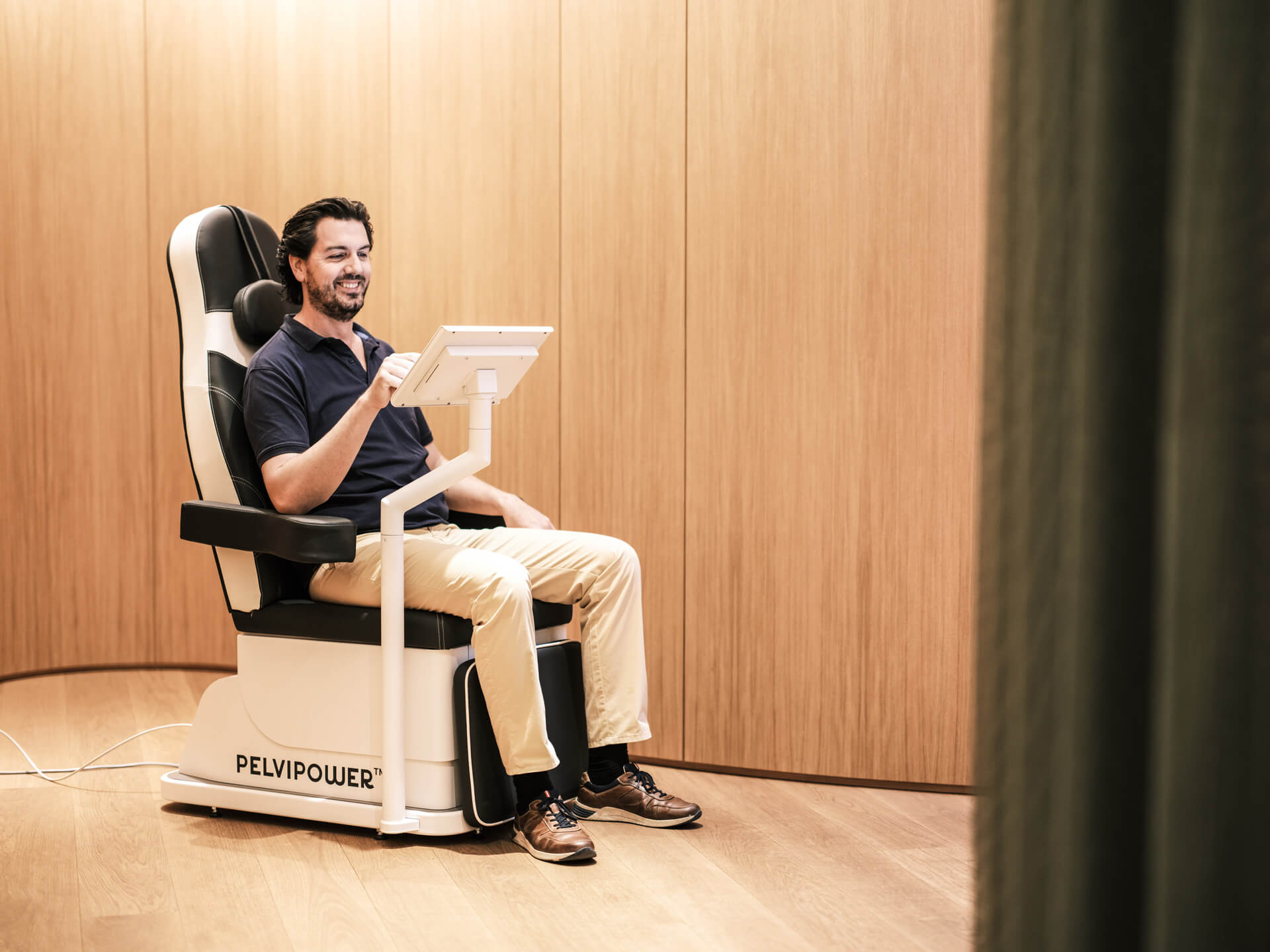
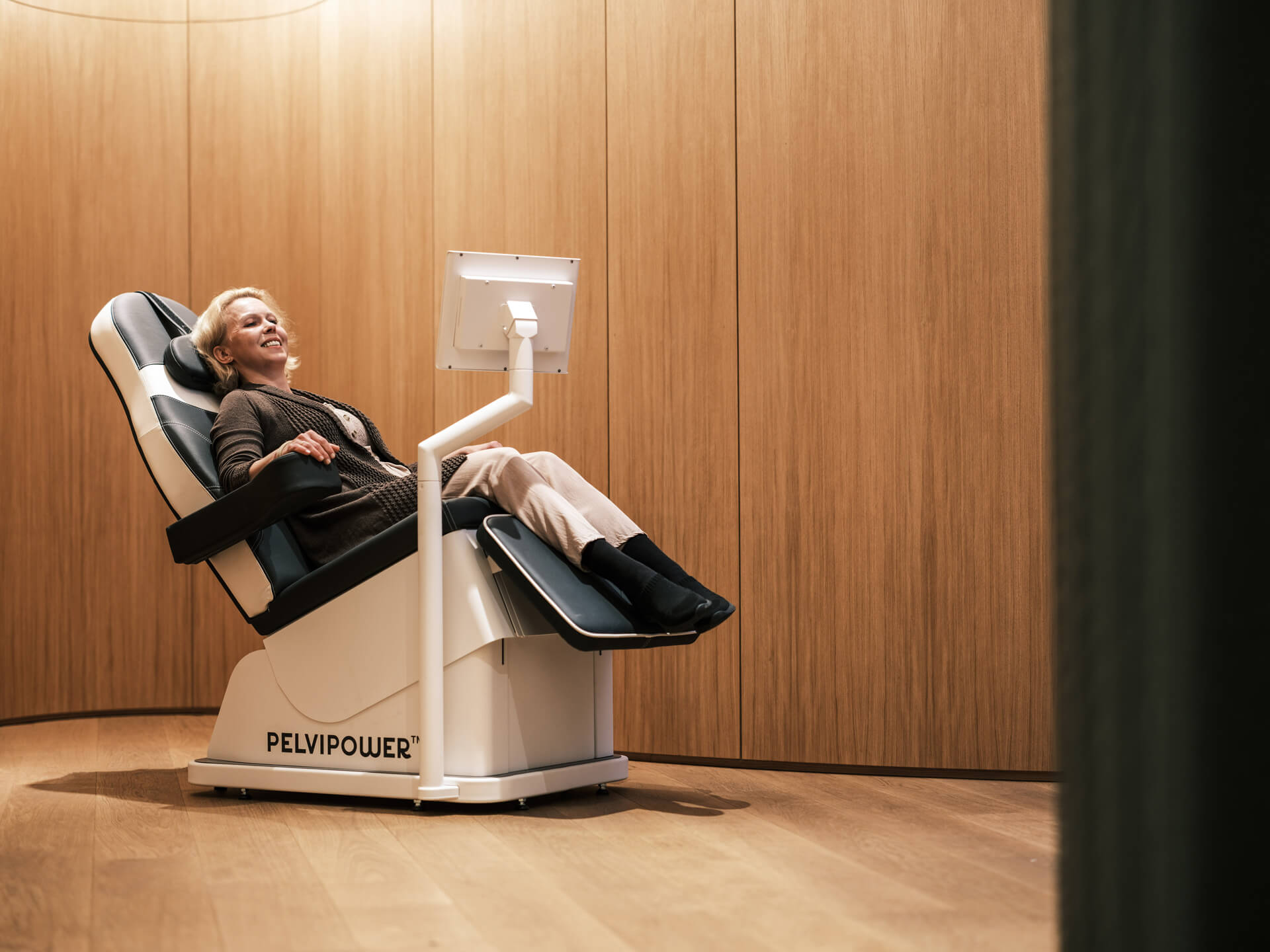
seated, in everyday clothing, no electrodes
Principle
magnetic field in the seat stimulates the pelvic floor muscles
Session
around 20 minutes
Staff
first appointment with exclusion check, then little supervision
Required beforehand
clarify exclusion criteria and intended purpose
Strongest facility type
Physio or medical practice
How electromagnetic pelvic floor training works
A pelvic floor trainer in a practice is quickly set up. What matters is device selection, workflow and clear responsibilities, this guide shows what counts with an electromagnetic pelvic floor training device.
In electromagnetic pelvic floor training, the client sits on a training chair. A magnetic field generated in the seat stimulates the pelvic floor muscles to contract, fully clothed, without electrodes and without active effort from the client.
HF Concepts carries the PelviPower™ for this purpose. A session lasts around 20 minutes; training takes place in everyday clothing in a relaxed seated position. HF Concepts declares the offering as a non-medical concept for wellness and training purposes.

Pelvic floor trainers for practices: what to look for
Electromagnetic pelvic floor chairs differ less in their basic principle than in intended purpose, programme logic and service. Clarify before buying:
| Question | Why it matters |
|---|---|
| Intended purpose | Is the device placed on the market as a wellness/training device or as a medical device? This determines how you may promote it and who may operate it. |
| Exclusion criteria | Is there a complete list of exclusion criteria, and a questionnaire your team can use? |
| Programmes and intensity | Can intensity be adjusted step by step and documented per client? |
| Training | Who trains your team, and is the briefing documented? |
| Space and setting | A quiet room with seating area and a place for personal items is usually enough, we clarify the exact requirements for your room before delivery. |
Introducing it into operations: how an appointment runs
A structured workflow protects clients and staff, and makes appointments predictable. The following order has proven itself:
- Intro talk: clarify goals and expectations, without promises of healing.
- Exclusion check: have the questionnaire completed; obtain medical clearance if anything is unclear.
- Preparation: have items with metal or magnetic strips removed before the session.
- Session: set intensity together and adjust as needed.
- Follow-up: record feedback, plan further sessions, document settings.
Exclusion criteria: when training is not an option
The following exclusion criteria belong in every intake questionnaire and are checked before the first appointment. If in doubt, medical clearance decides, not the on-site team.
- Pregnancy
- Epilepsy
- Cancer
- Surgery in the pelvic area less than four weeks ago
- Decompensated heart disease and malignant cardiac arrhythmias
- Metal implants in the pelvic area (e.g. hip or knee prostheses, screws, clips)
- Metal-containing tattoos or piercings in the pelvic area
- Implanted electronic devices (e.g. pacemaker, defibrillator, insulin pump, neurostimulator)
There are also relative exclusion criteria (e.g. IUD, menstruation, acute infections) that require caution or medical clearance.
Professional responsibility: who does what?
In a medical or physiotherapy practice, training can be part of a professionally supervised offering. In a studio, hotel or spa it is a training and wellbeing offering. Either way, a clear division of tasks applies:
- On-site team: briefing, exclusion questionnaire, operation, documentation
- Physician: assessment in case of complaints, pre-existing conditions or unclear exclusion criteria
- Operator: training records, compliance with intended purpose, legally sound communication
Addressing clients with specific complaints such as incontinence quickly moves into health-related advertising. Frame offerings as training, and refer clients with complaints to qualified professionals.
HF Concepts Check: how we rate electromagnetic pelvic floor training by facility type
In the HF Concepts Check, we score nine criteria from 1 to 5, always for a specific facility type. The same technology can score strongly in one facility type and only moderately in another. That is exactly the point.
Our assessment after reviewing the technology, based on typical facilities of each type. No guarantee for any individual case.
Practice: 36/45; Wellness & beauty: 34/45; Hotel & spa: 26/45.
How to communicate electromagnetic pelvic floor training in line with HWG
| Safe to communicate | Avoid |
|---|---|
| Seated training, clothed, effortless | “cures incontinence” |
| Short session, easy to schedule | “replaces physiotherapy” |
| Complements active pelvic floor exercise | “success guaranteed after X sessions” |
| Discreet and suited to everyday life | Addressing specific medical conditions |
A suitability check before the first session belongs in every professional workflow. If there are health questions, the application should be cleared with a physician beforehand.
Ready to add a proven revenue stream?
From cryotherapy to hyperbaric oxygen — explore our full portfolio and request pricing for your facility.
Get a QuoteFrequently asked questions
How does an electromagnetic pelvic floor trainer work?
The client sits fully clothed on a training chair. A magnetic field in the seat stimulates the pelvic floor muscles to contract, without electrodes and without active effort.
How long does a PelviPower session last?
Around 20 minutes, depending on the programme.
Who should not use pelvic floor training?
Among others: pregnant women and people with epilepsy, cancer, recent surgery, certain heart conditions, metal implants in the pelvic area or implanted electronic devices. If in doubt, the application should be cleared with a physician first.
Does a physician need to be present?
That depends on the device’s intended purpose and your offering. In case of complaints, pre-existing conditions or unclear exclusion criteria, a medical assessment should take place beforehand.
Can I promote the training with health benefits?
No. For an offering declared as wellness or training, promises of healing are not permitted. Communicate it as training and refer clients with complaints to professionals.
Transparency: HF Concepts sells some of the technologies discussed here. That’s why we assess against clear criteria and advise against a purchase when the fit is missing.
Note: All information is general, non-medical information. The applications discussed are wellness and recovery applications and do not replace medical advice.