
 Electric cryo chamber
 Thermal contrast
 Ice bath 2.0
 Dry Floating
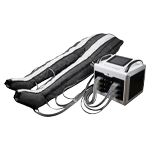 Lymphatic drainage
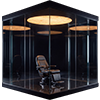 Multisensory Regeneration Cabin
 IHHT altitude training
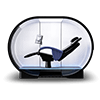 HBOT Oxygen chamber
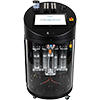 Water Plasma Application
 Red Light Therapy
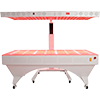 Photobiomodulation
 Cell regeneration
 Endolaser
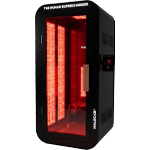 HaloCab Human Supercharger
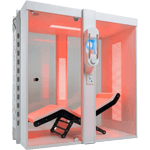 Salt & Red Light
 Vibroacoustics
 Magnetic Field Applications
 Back therapy system
 WeberBrain
 Pelvic floor training
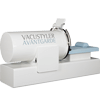 iFlow® IVT Therapy
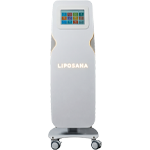 Frequency ultrasound
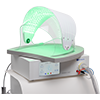 Dermio Care Plus
 Lounge equipment
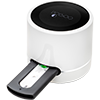 Health of Point Diagnostics
 Body analysis
 FRAS 5
 Mobile HRV measurement

Short answer
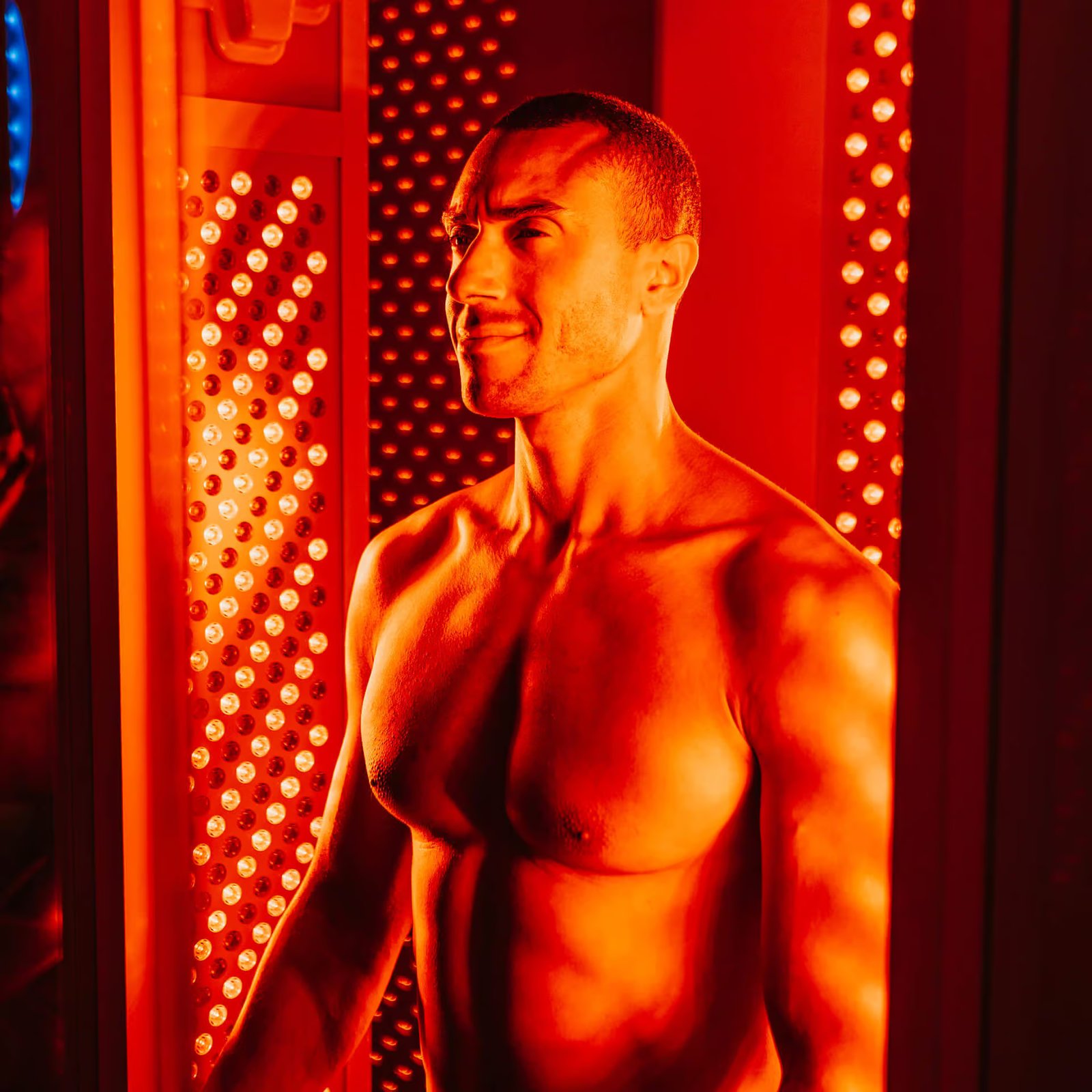
The difference between a consumer panel (from around €300–800) and a professional full-body system (up to around €50,000) isn’t only the price, but coverage, light output, wavelength combination (630/660/850 nm) and marketability. Consumer panels cover a small area for home use; a professional system covers the whole body in 10–20 minutes and creates a rebookable premium experience.
At a glance
Consumer panel
from approx. €300–800
Professional full-body system
up to around €50,000
The four parameters
wavelength, output, coverage, time
Professional session
approx. 10–20 min
A panel is enough for
private home use
Middle ground
modular light systems above a bed
The core difference in one sentence
Consumer panel = small area for home use; professional system = full body, short session, sellable experience.
The four parameters that really matter
| Parameter | Consumer panel | Professional full-body system |
|---|---|---|
| Wavelength | often single or few | combined (630/660/850 nm) |
| Light output | low to medium | high, across thousands of LEDs |
| Coverage | partial area | whole body |
| Session time | long per body area | approx. 10–20 min total |
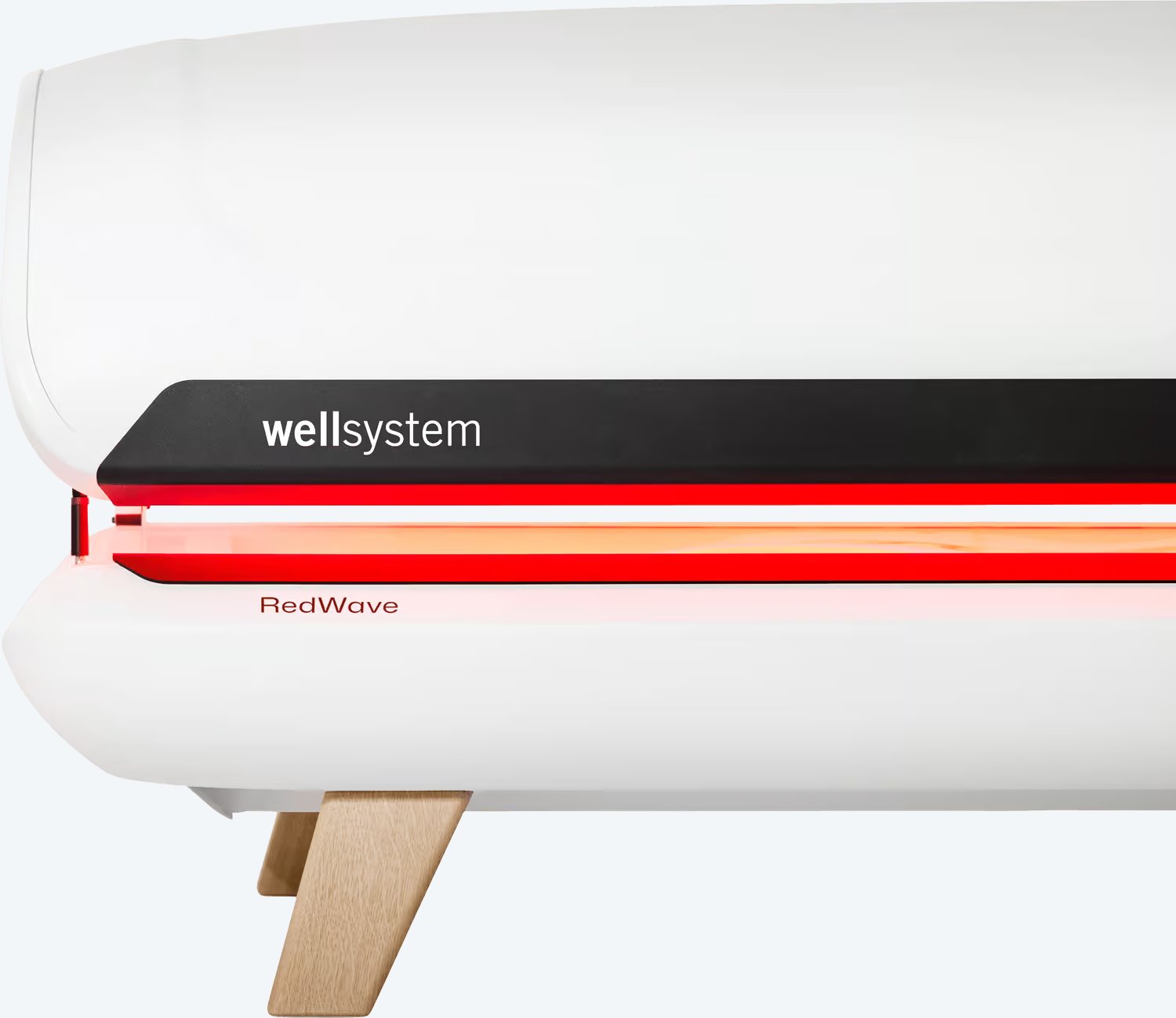
A system with over 4,400 LEDs is in a different league from a small panel. Assess what can be measured.
When a consumer panel is enough and when it isn’t
For private use, a panel can be enough. In a business, a small area means long sessions and low perceived value. A panel that just sits there generates no revenue.
Example: session time instead of purchase price
Simplified illustration based on assumptions.
| Assumption | Consumer panel | Professional full-body system |
|---|---|---|
| Area covered per pass | one body region | whole body |
| Passes for the whole body | approx. 4–6 | 1 |
| Time for a full-body session | 60 min or more | 10–20 min |
| Possible sessions per hour | less than 1 | 2 (incl. changeover) |
A panel is cheap to buy but expensive in time. In a business, time is the scarce resource. A system that allows twice as many sessions per hour and looks more premium offsets the higher purchase price through utilization, provided the demand is there.
Is there a middle ground between panel and bed?
Yes. Modular light systems with a flat panel mounted above a treatment bed combine larger coverage with flexible room use. They suit practices and beauty salons that want to combine red light with other applications on the same bed. More on our products page.
Why professional equipment pays off in business
Short sessions (10–20 min), high throughput and a premium experience enable repeat use, the core metric of a business model.
Checklist before buying a red light system
- Which wavelengths are installed, and are they combined?
- How large is the area covered per session?
- How long does a full-body session realistically take?
- How loud is the device, and how is it cooled?
- Does the device look premium enough for the planned price?
- Who provides service and spare parts?
If you are planning for home use, see the differences in Planning a Private Longevity Suite. We present the professional RedWave full-body system with over 4,400 LEDs on our red light therapy page.
HF Concepts Check: how we rate red light systems by facility type
In the HF Concepts Check, we score nine criteria from 1 to 5: client benefit, plausibility & regulation, target fit, investment, marketability, integration, time & staff, earnings and differentiation. The score always applies to a specific facility type. Select the facility that matches yours in the scorecard.
Our assessment after reviewing the technology, based on typical facilities of each type. No guarantee for any individual case.
Gym with a professional full-body system (38): short sessions, premium feel and repeat use make it a strong frequency anchor.
Beauty salon with a modular light system (35): flexible to combine on the treatment bed, slightly lower throughput than a full-body bed.
Gym with a consumer panel (21): cheap to buy, but long sessions, low perceived value and hardly any revenue.
Common mistakes we see in projects
- Purchase price as the only criterion: time per session drives profitability more than the purchase price.
- Home device in a business: what’s enough at home rarely looks premium in a studio or spa.
- Coverage not assessed: without the covered area, systems can’t be compared fairly.
- Ignoring cooling and noise: a loud device ruins the premium experience.
Conclusion
Consumer panels and professional systems differ in coverage, output, session time and how clients perceive them. For home use, a panel can make sense. In a business, what counts is how many high-quality sessions per hour are possible. That is where full-body systems and modular professional solutions play to their strengths, provided demand is realistically assessed in advance.
Frequently asked questions
What is the difference between professional and consumer red light?
Professional systems cover the whole body with high output and combined wavelengths in a short time; consumer panels cover a small area for home use.
Which wavelengths are relevant?
Commonly red light (around 630 and 660 nm) and near-infrared light (around 850 nm), combined in professional systems.
How long does a professional session take?
With a full-body system, usually around 10–20 minutes.
Is professional equipment worth it for a small business?
Yes, if you work with series or packages and the application can be delegated. Revenue per m² and repeat use are what matter.
Can I advertise health effects?
Communicate process, comfort and suitability instead of medical effects.
Can several consumer panels replace a professional system?
Several panels increase coverage but rarely achieve the same even distribution, output and premium feel. In a business, setup, hygiene and appearance are additional drawbacks.
How loud are professional red light systems?
That depends on cooling. Systems like RedWave use quiet cooling so the session feels calm.
Transparency: HF Concepts sells some of the technologies discussed here. That’s why we assess against clear criteria and advise against a purchase when the fit is missing.
Note: All information is general, non-medical information. The applications discussed are wellness and recovery applications and do not replace medical advice.