
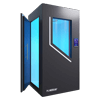
 Electric cryo chamber
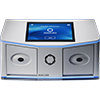 Thermal contrast
 Ice bath 2.0
 Dry Floating
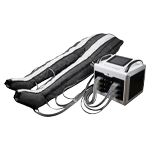 Lymphatic drainage
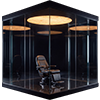 Multisensory Regeneration Cabin
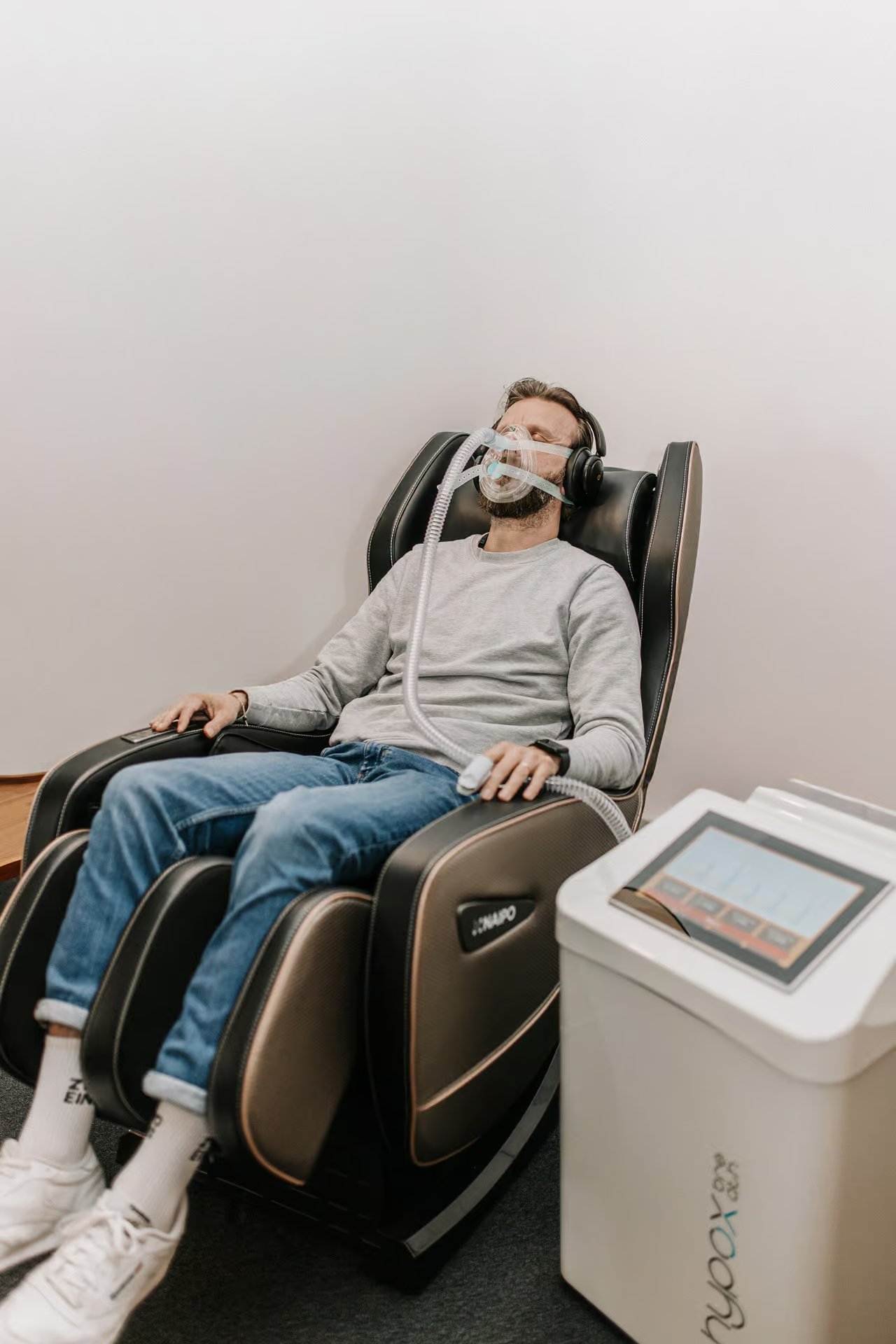
 IHHT altitude training
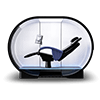 HBOT Oxygen chamber
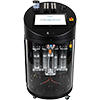 Water Plasma Application
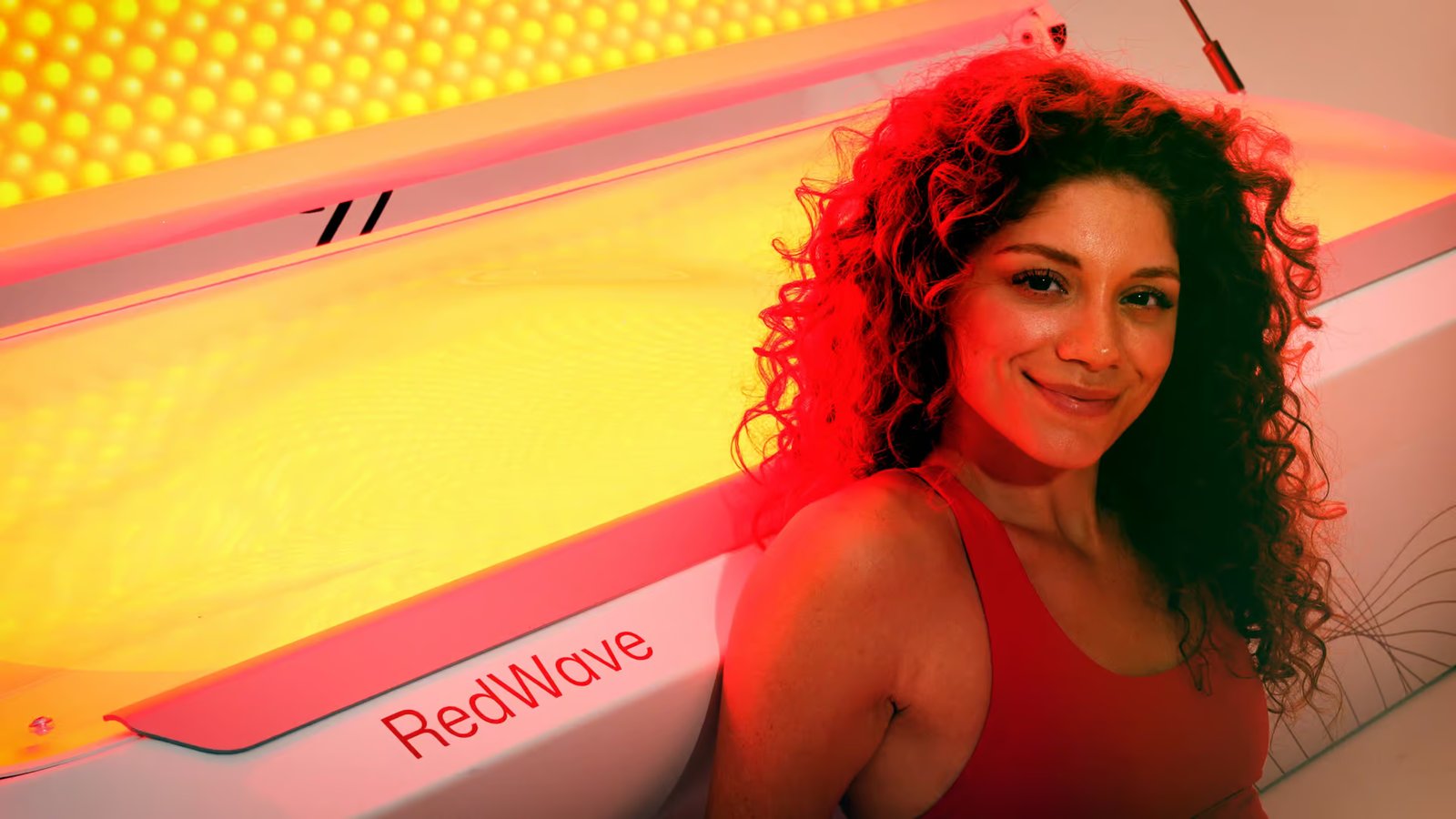
 Red Light Therapy
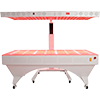 Photobiomodulation
 Cell regeneration
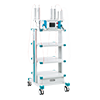 Endolaser
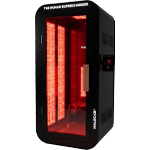 HaloCab Human Supercharger
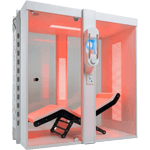 Salt & Red Light
 Vibroacoustics
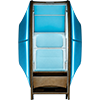 Magnetic Field Applications
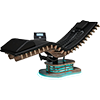 Back therapy system
 WeberBrain
 Pelvic floor training
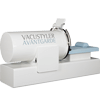 iFlow® IVT Therapy
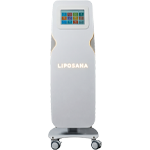 Frequency ultrasound
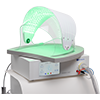 Dermio Care Plus
 Lounge equipment
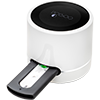 Health of Point Diagnostics
 Body analysis
 FRAS 5
 Mobile HRV measurement
Short answer
A private longevity suite works when it is planned around your daily routine, not a product catalog. On roughly 20 to 25 m², two to three professional applications can be combined sensibly. Before choosing equipment, clarify power supply, ventilation and heat output, floor load, delivery access, and service and maintenance. Compact, low-maintenance systems with short sessions actually get used day to day. Large chambers only make sense at home with a firm routine.
At a glance
Sensible size
approx. 20 to 25 m²
Technologies to start
two to three
Clarify before buying
power, ventilation, floor load, access
Suited for daily use
short sessions, no changing
Test first
in the showroom
Why many private suites end up unused
In private projects, I see a recurring pattern: selection follows fascination, not routine. The result is an impressive chamber in the basement that is hardly used after three months, because sessions are too long, changing is a hassle or the room gets too warm.
A private longevity suite is still an investment. Its return isn’t revenue, it’s frequency of use. So the key question is: which application fits into your day so naturally that you use it without effort?
The right planning sequence
- Define your routine: when, how often and how long will you use the room, alone or with family?
- Check space and infrastructure: floor space, power, ventilation, floor load and access before selecting equipment.
- Select technologies: matched to routine and room, not the other way round.
- Arrange service: installation, maintenance and a contact person agreed before purchase.
Space and technical requirements
| Criterion | What to check |
|---|---|
| Floor space | footprint plus movement and maintenance clearance; plan a lounge or rest zone |
| Power | check the connection rating of each device; larger systems may need a dedicated circuit installed by a qualified electrician |
| Ventilation and climate | factor in device heat output and humidity; small rooms heat up quickly |
| Floor and structure | confirm the weight of large cabins and chambers with an architect or structural engineer |
| Delivery | measure door widths, stairs, elevators and corners in advance |
| Data | where are app and measurement data (e.g. HRV) stored? |
Which technologies work at home
| Technology | Session length | Space needed | Suitability for home use |
|---|---|---|---|
| Thermal contrast (e.g. AVACURA®) | short cycles of a few minutes | approx. 1 m² | very high: no changing, integrated HRV measurement |
| Red light, full-body system | approx. 10–20 min | medium | high: short, pleasant routine |
| IHHT | approx. 30–50 min | small | medium: lying down, combinable with reading or rest; onboarding required |
| Electric cryo chamber | a few minutes | large | only with a firm cold routine |
| HBOT chamber | approx. 60–90 min | large | low to medium: long sessions, high technical effort |
On professional vs. consumer: a small panel for a few hundred euros can be enough to start. But it only covers a small area and lengthens each session. If you’re planning a suite, you’re usually planning for years. Then coverage, build quality and service matter more than the entry price.
Example: a 25 m² suite
Example room layout for orientation. Actual planning depends on floor plan, infrastructure and routine.
| Zone | Contents | Use |
|---|---|---|
| Zone 1: Activation | full-body red light system | mornings or after training |
| Zone 2: Regulation | thermal contrast with HRV measurement, seating | evenings, no changing |
| Zone 3: Rest | lounger, optional IHHT | two to three times a week, 30–50 min |
Service, maintenance and discretion
At home, a service issue is more inconvenient than in a business: there is no team to handle it. So clarify in advance who installs, who provides onboarding, what maintenance intervals look like and who is reachable if something goes wrong. We plan private rooms discreetly and recommend trying technologies yourself in the showroom first.
Frequently asked questions
How much space does a private longevity suite need?
For two to three applications plus a rest zone, about 20 to 25 m² is a good guideline. Individual compact systems need far less, around 1 m² for a thermal contrast device.
Is a consumer red light panel enough for home use?
A panel can be enough to start, but it covers only a small area and lengthens sessions. For a suite used over years, full-body systems are usually the better choice.
Can you install a cryo chamber at home?
In principle, yes. Check floor space, power supply, ventilation, delivery access and above all your own routine first, so the chamber doesn’t go unused.
Which technical requirements should I clarify first?
Power supply and circuit protection, ventilation and heat output, floor load, delivery access and where app and measurement data are stored.
Can I test the technologies before buying?
Yes. In the HF Concepts showroom, you can try systems and compare applications in advance.
Transparency: HF Concepts sells some of the technologies discussed here. That’s why we assess against clear criteria and advise against a purchase when the fit is missing.
Note: All information is general, non-medical information. The applications discussed are wellness and recovery applications and do not replace medical advice.