
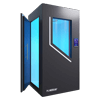
 Electric cryo chamber
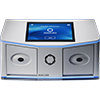 Thermal contrast
 Ice bath 2.0
 Dry Floating
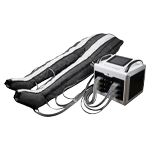 Lymphatic drainage
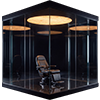 Multisensory Regeneration Cabin
 IHHT altitude training
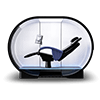 HBOT Oxygen chamber
 Water Plasma Application
 Red Light Therapy
 Photobiomodulation
 Cell regeneration
 Endolaser
 HaloCab Human Supercharger
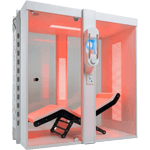 Salt & Red Light
 Vibroacoustics
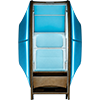 Magnetic Field Applications
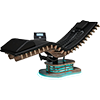 Back therapy system
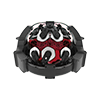 WeberBrain
 Pelvic floor training
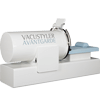 iFlow® IVT Therapy
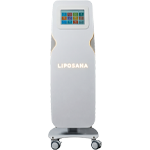 Frequency ultrasound
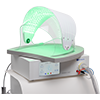 Dermio Care Plus
 Lounge equipment
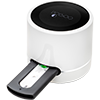 Health of Point Diagnostics
 Body analysis
 FRAS 5
 Mobile HRV measurement

Short answer
Longevity becomes a profit center in a hotel when it is positioned as a reason to book in its own right, not as a spa add-on. Four things decide: a recognizable signature experience, integration into the rate structure, a realistic staffing model and solid numbers for the board. Technologies such as IHHT, red light or cryo chambers provide the occasion; the business model generates the revenue.
At a glance
Positioning
reason to book, not spa add-on
Success factors
signature experience, rates, staff, ROI
Suitable technologies
IHHT, red light, cryo chamber
HBOT
only with a premium pricing model
Typical hurdle
team trained in wellness, not technology
Formats
signature treatment, package, retreat, day spa
Why many spa areas cost money instead of earning it
If your spa produces costs instead of contribution margin, it’s almost never the staff, it’s the offer. Massage and sauna are interchangeable; a clearly positioned longevity offer is not.
Longevity as a reason to book, not an add-on
Positioning only through spa aesthetics means competing on price. Positioning through diagnostics and measurable programs means competing on outcomes.
Which offer formats work in hotels
| Format | Description | Suitable technologies |
|---|---|---|
| Signature experience | a recognizable application as a hallmark | cryo chamber, HaloCab, HBOT |
| Longevity package | multi-day program with measurement | IHHT, body analysis, red light |
| Recovery lounge | free to use or included in the room rate | thermal contrast, dry floating, red light |
| Day spa for external guests | extra utilization beyond occupancy | red light, cryo chamber |
The choice depends on length of stay. For one or two nights, short, impressive applications count. For longer stays, programs with initial and closing measurements pay off.
Which technologies fit a hotel
Throughput, guest experience and integration into the spa menu matter. Because of 60–90 minute sessions, HBOT requires a premium pricing model.
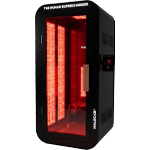
Applications with little preparation work best in hotels: dry floating as a calm experience without changing, red light beds with short sessions, the HaloCab as a 5-in-1 cabin and the electric cryo chamber as a signature treatment with a wow effect.
Staff, rates and ROI for the board
Teams are usually trained in wellness, not technology; seasonality and maintenance are real issues. A viable concept clarifies staffing model, rate integration and ROI before the investment.
What the board wants to see
- Investment and financing: buying, leasing or a trial phase compared.
- Utilization scenarios: conservative, realistic, optimistic.
- Rate integration: which packages raise the average daily rate?
- Staffing model: who supervises, for how many hours, with what training?
- Payback: when does the offer pay for itself, and what happens with seasonal fluctuations?
How hotels and practices differ fundamentally on longevity is shown in the HF Concepts Check in the thermal contrast article.
Common mistakes we see in projects
- Technology as decoration: a device in the spa without an offer, price and booking stays invisible.
- No rate integration: longevity packages that aren’t in the booking system rarely get booked.
- Untrained team: wellness staff need onboarding, a script and confidence with the technology.
- Forgetting seasonality: without day spa or offers for locals, devices sit empty in the off-season.
Conclusion
Longevity can turn a hotel spa from cost center into profit center when positioned as a reason to book in its own right. That requires a recognizable signature experience, packages in the rate system, a realistic staffing model and solid numbers for the board. The technology provides the occasion; the business model generates the revenue.
Frequently asked questions
Is longevity worth it for my hotel?
If guest frequency, positioning and price level match, longevity can be a reason to book and a source of additional revenue. Otherwise, the same investment can become a cost block.
Do guests book technology instead of massage?
Yes, if the benefit is communicated as a premium experience and embedded in a journey. Positioning is what decides.
Who maintains and supervises the devices?
Modern systems are low-maintenance and can be delegated to trained staff. We plan maintenance as part of the concept.
How do I prove ROI to the board?
With a location-specific calculation of investment, realistic utilization, contribution margin and payback.
Which longevity technology suits short stays?
Short, impressive applications without changing or long preparation, such as dry floating, red light or thermal contrast. Programs with measurements are better for multi-day stays.
Can the spa serve external guests?
Yes, day spa offers for external guests improve utilization, especially on days with low hotel occupancy.
How long does it take to introduce a longevity offer in a hotel?
From analysis through selection and installation to training, it usually takes a few months, depending on scope. Integration into rate structure and sales should be planned in parallel.
Transparency: HF Concepts sells some of the technologies discussed here. That’s why we assess against clear criteria and advise against a purchase when the fit is missing.
Note: All information is general, non-medical information. The applications discussed are wellness and recovery applications and do not replace medical advice.
