
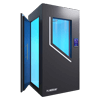
 Electric cryo chamber
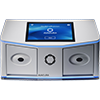 Thermal contrast
 Ice bath 2.0
 Dry Floating
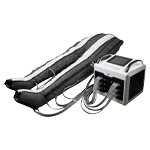 Lymphatic drainage
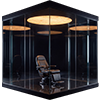 Multisensory Regeneration Cabin
 IHHT altitude training
 HBOT Oxygen chamber
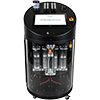 Water Plasma Application
 Red Light Therapy
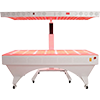 Photobiomodulation
 Cell regeneration
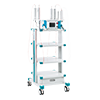 Endolaser
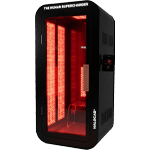 HaloCab Human Supercharger
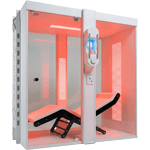 Salt & Red Light
 Vibroacoustics
 Magnetic Field Applications
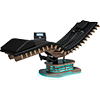 Back therapy system
 WeberBrain
 Pelvic floor training
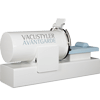 iFlow® IVT Therapy
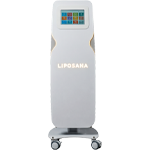 Frequency ultrasound
 Dermio Care Plus
 Lounge equipment
 Health of Point Diagnostics
 Body analysis
 FRAS 5
 Mobile HRV measurement
Cold plasma therapy device
Adding a cold plasma therapy device can strengthen a clinic, spa or longevity concept when the technology truly matches your audience, treatment menu and regulatory framework. HF Concepts helps you assess that fit objectively.
Instead of pushing one manufacturer, we compare top device categories for clinics, intended use, workflow and business potential so you can implement a future-oriented service with confidence.

What a cold plasma therapy device is
Cold plasma therapy devices, often referred to as cold atmospheric plasma systems, create ionised gas at a low temperature that can interact with the skin surface in a controlled way. In professional aesthetic and wellness settings, they are typically positioned as non-invasive adjunct technologies for protocols focused on skin hygiene, cell regeneration application, acne-prone or irritated skin, and improved integration of topical skincare.
The exact indications always depend on the device’s CE marking, MDR documentation and approved intended purpose.

How the technology works
Plasma is often described as the fourth state of matter. In a cold plasma device, electrical energy excites a gas and creates a plasma field containing charged particles and reactive species. Compared with heat-based or ablative modalities, these systems are designed to operate at much lower temperatures, which is why they are commonly marketed as gentle and low-downtime.
From an operator perspective, three practical effects are usually discussed: support for surface hygiene, stimulation of signalling processes associated with repair and collagen-related activity, and a temporary increase in skin permeability that may support the integration of professional topicals. Device architecture varies, with some systems using dielectric barrier discharge or high-frequency excitation. In real-world use, stable output, controlled temperature and clear treatment parameters matter more than headline claims. A closely related modality is plasma-activated water; see water plasma application.
Where cold plasma can add value in practice
Evaluating cold plasma as part of your service concept
Professional interest in cold plasma usually centres on a few high-demand applications: oily and acne-prone skin, redness-prone or reactive skin, rejuvenation concepts, uneven-looking tone, post-treatment support and, with some systems, scalp-focused protocols. That does not mean one platform is right for every business. A medically led clinic, a premium facial studio, a hotel spa and a longevity centre each need a different balance of evidence, treatment speed, staff skill and price point.
A cold plasma therapy device should be evaluated as part of a full service concept rather than as a stand-alone gadget. The best fit is the one that supports your positioning, workflow and commercial goals.
What to check before you invest
CE marking, MDR and intended use
Before you compare treatment claims, verify the basics with an equipment procurement checklist. Is the device properly CE marked? What does the intended use actually cover? Is it positioned within a beauty, wellness or medical framework? Can the supplier provide MDR-relevant documentation, contraindications, operator instructions and training requirements? In the EU, these points matter just as much as marketing images, especially for buyers working through an EU MDR checklist for wellness device buyers. For structured compliance support, see EU medical device compliance advisory.
Questions worth asking a supplier
Ask for clear information on approved use, safety profile, after-sales structure, spare parts availability, warranty terms, maintenance schedule and any consumables that affect ongoing cost. It is also worth checking whether the supplier’s marketing stays within health and wellness advertising rules. A weak compliance position can create risk for your team and for your brand.
Workflow, maintenance and staff adoption
The device that looks best on a spec sheet is not always the easiest to run profitably. Review treatment time, handpiece ergonomics, tip durability, cleaning routine, portability, software interface, noise level and how smoothly the system fits into your existing treatment flow. If setup, hygiene or parameter selection feels awkward, staff adoption usually drops fast. For hands-on rollout support, see wellness technology integration.
Maintenance and technical support deserve close attention. You need to know how often servicing is required, how faults are handled, who provides technical assistance and how much downtime is realistic if the device needs repair. In many cases, total cost of ownership comes down to uptime, training quality and operator confidence more than the initial purchase price. To compare acquisition models, see wellness technology financing advisory.
Does cold plasma actually work?
Cold plasma can be a valuable technology, but results depend on the indication, the quality of the platform and the protocol used. The market includes both promising systems and overextended claims. Assess cold plasma through technical fit, available evidence, operator practicality and business viability, not hype. For many providers, the strongest position is to use it as a versatile addition within regenerative aesthetics, preventive wellness or premium facial concepts rather than present it as a miracle solution.
Frequently asked questions
Is a cold plasma therapy device the same as a plasma pen?
No. A plasma pen usually refers to a more targeted device for precise surface effects, while cold plasma systems are generally positioned as non-thermal or low-temperature plasma technologies for broader skin or scalp protocols. The purpose, risk profile and training requirements are different.
Is cold plasma better than microneedling?
Not in absolute terms. Microneedling is a mechanical treatment that creates controlled micro-injuries, while cold plasma is an energy-based approach often positioned around skin hygiene, regeneration support and low-downtime protocol enhancement. The better choice depends on your goals, contraindications and the client experience you want to offer.
How much does a cold plasma therapy device cost?
Pricing varies widely based on build quality, compliance pathway, accessories, training package and service support. A lower purchase price does not always mean a better investment. The more useful comparison is total cost of ownership, expected treatment volume and how well the technology fits your concept.
Where can I get cold atmospheric plasma treatments in the UK?
Availability depends on which providers and compliant devices are active in that market. If you operate in the UK and want to introduce this technology, review current device compliance, operator training and local advertising requirements before launch.
Can any spa or clinic use a cold plasma device?
Not automatically. Suitability depends on the device classification, intended use, staff qualifications and the regulations that apply to your business model. These details should be checked carefully before you invest or market treatments.
Is a professional device comparable to Perricone Cold Plasma Plus+ Hand Therapy?
No. A professional cold plasma therapy device generates plasma energy through hardware. Perricone Cold Plasma Plus+ Hand Therapy is a topical skincare product. They are completely different product categories and should not be treated as equivalent solutions.
How HF Concepts supports implementation
HF Concepts, based in Berlin, supports clinics, spas, hotels, performance centres and longevity operators with independent technology selection. We help you clarify use cases, compare options, plan implementation and align the device with pricing, staffing and market positioning.
That end-to-end approach matters because a profitable wellness solution is never just about hardware. It requires the right concept, the right training and a treatment journey people actually want to book. Our role is to bridge innovation, science and economic success with a turnkey plan that fits your business.
If you are evaluating a cold plasma therapy device for a project in Germany, the DACH region or a wider European rollout, HF Concepts can help you make a clear, compliant and commercially sound decision. A free initial consultation is the fastest way to assess whether the technology fits your concept.
- Cryo chamber systems
- Thermal contrast and ice baths
- Dry floating and vibroacoustics
- Red light and photobiomodulation
- IHHT, HBOT, compression and body analysis
Why organizations choose HF Concepts
HF Concepts combines health-tech expertise, business thinking, and implementation support in one partner. We are not tied to a single manufacturer or product line, so the conversation stays focused on what works for your organization. That includes platform evaluation, connected wellness technologies, preventive health concepts, user adoption, and commercial viability.
From Berlin, we support employers, wellness operators, and health-focused organizations across Germany and the EU with end-to-end program design. Our approach is science-based, practical, and future-oriented, with experience drawn from more than 100 implementations across advanced health and wellness concepts. If you want a workplace wellness solution that is innovative, compliant, and commercially sound, we help you build it with clarity.
IHHT program setup: next steps
Arrange your free initial consultation or purchase an IHHT altitude training device suitable for your facility.