
 Electric cryo chamber
 Thermal contrast
 Ice bath 2.0
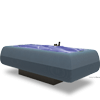 Dry Floating
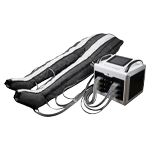 Lymphatic drainage
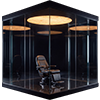 Multisensory Regeneration Cabin
 IHHT altitude training
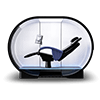 HBOT Oxygen chamber
 Water Plasma Application
 Red Light Therapy
 Photobiomodulation
 Cell regeneration
 Endolaser
 HaloCab Human Supercharger
 Salt & Red Light
 Vibroacoustics
 Magnetic Field Applications
 Back therapy system
 WeberBrain
 Pelvic floor training
 iFlow® IVT Therapy
 Frequency ultrasound
 Dermio Care Plus
 Lounge equipment
 Health of Point Diagnostics
 Body analysis
 FRAS 5
 Mobile HRV measurement

Short answer
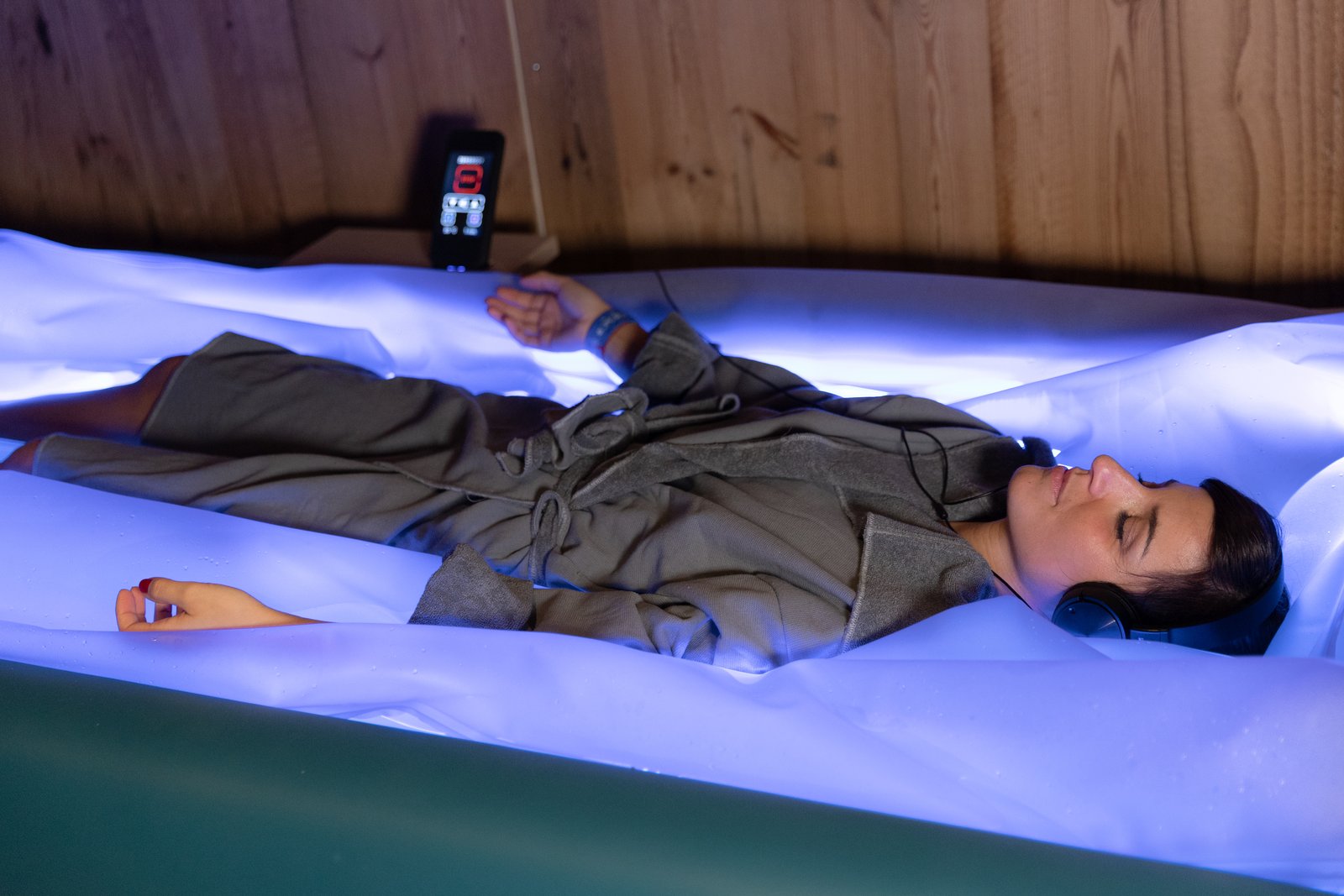
Dry floating vs. floating, the core difference: In a floating tank, the guest lies directly in a highly saline solution, with shower, changing room, wet area and ongoing water hygiene. In dry floating, the guest lies clothed on a flexible membrane over warm water; shower and changing room are not needed. Both methods use water for support. For spa operators, the difference lies mainly in the workflow: dry means less infrastructure, less changeover time and less water hygiene effort.
Position your facility as a longevity destination.
In a 30-minute session, we'll assess which longevity and biohacking technologies fit your space, your clientele, and your business model — and which don't.
Arrange a ConsultationAt a glance
Floating tank
guest lies directly in a highly saline solution
Dry floating
guest lies clothed on a membrane over warm water
Changing / shower
tank: yes, before and after · dry: no
Hygiene
tank: continuous water treatment · dry: wipe-down of the lying surface
Zerobody session
30 to 60 minutes, depending on programme
Strongest facility type (dry)
Hotel & resort
Wet or dry: two principles for the floating sensation
Dry floating vs. floating is a question many spa operators ask before they invest. The answer starts with the principle: dry floating and classic floating both use water, but in completely different ways.
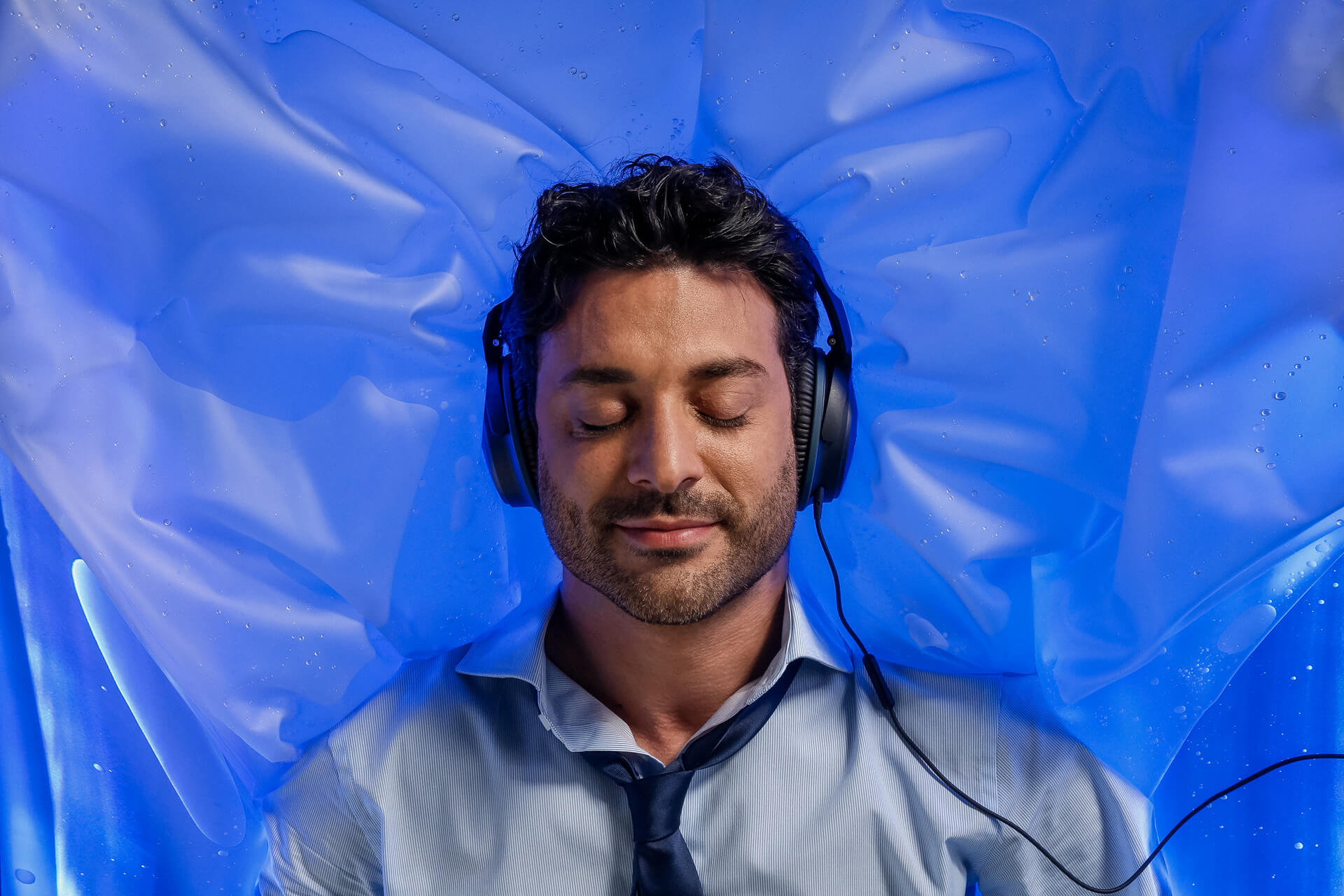
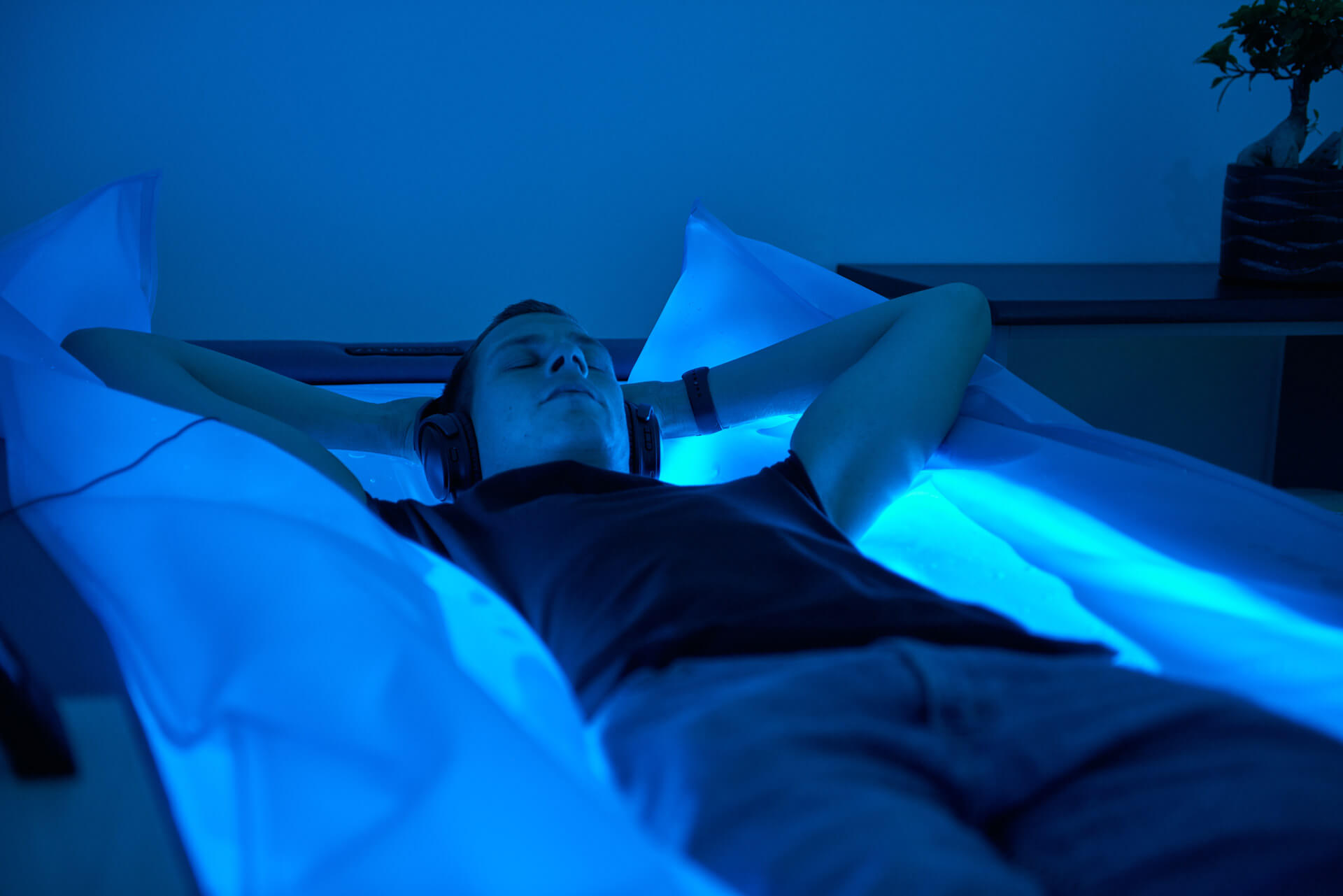
In a classic floating tank, the guest lies directly in a highly saline solution that carries the body. In dry floating, the guest lies fully clothed on a flexible membrane, underneath is warm water that carries the body.
So in dry floating, too, the buoyancy comes from water, just without direct skin contact. The Zerobody system carried by HF Concepts uses several hundred litres of temperature-controlled water beneath a special membrane. It is not an air cushion or airflow system, but a water-supported lying surface.
Guest journey: from reception to departure
For spa operators, the biggest difference is not the session itself but everything before and after. With a floating tank, showering before and after, washing hair and changing are fixed parts of the visit. With dry floating, the guest stays dressed.
| Step | Floating tank (wet) | Dry floating (dry) |
|---|---|---|
| Preparation | Changing, showering, ear plugs if needed | Shoes off, comfortable clothing stays on |
| Session | Lying in the solution, cabin or tank closed or open | Lying on the membrane, optional audio, light or massage programmes |
| Afterwards | Rinse off salt, wash and dry hair, get dressed | Short rest, then straight on |
| Time needed outside the session | significantly higher, plan showering and drying time | low |
This also shapes the target group: hotel guests between two appointments or day guests in street clothes use a dry application more spontaneously than one that requires freshly washed hair.
Changing rooms, space and technology
A floating tank is a wet area: it needs its own shower, waterproof surfaces, ventilation against humidity and water treatment with filtration and disinfection. Salt is also corrosive, affecting fittings, door hardware and technology in the room.
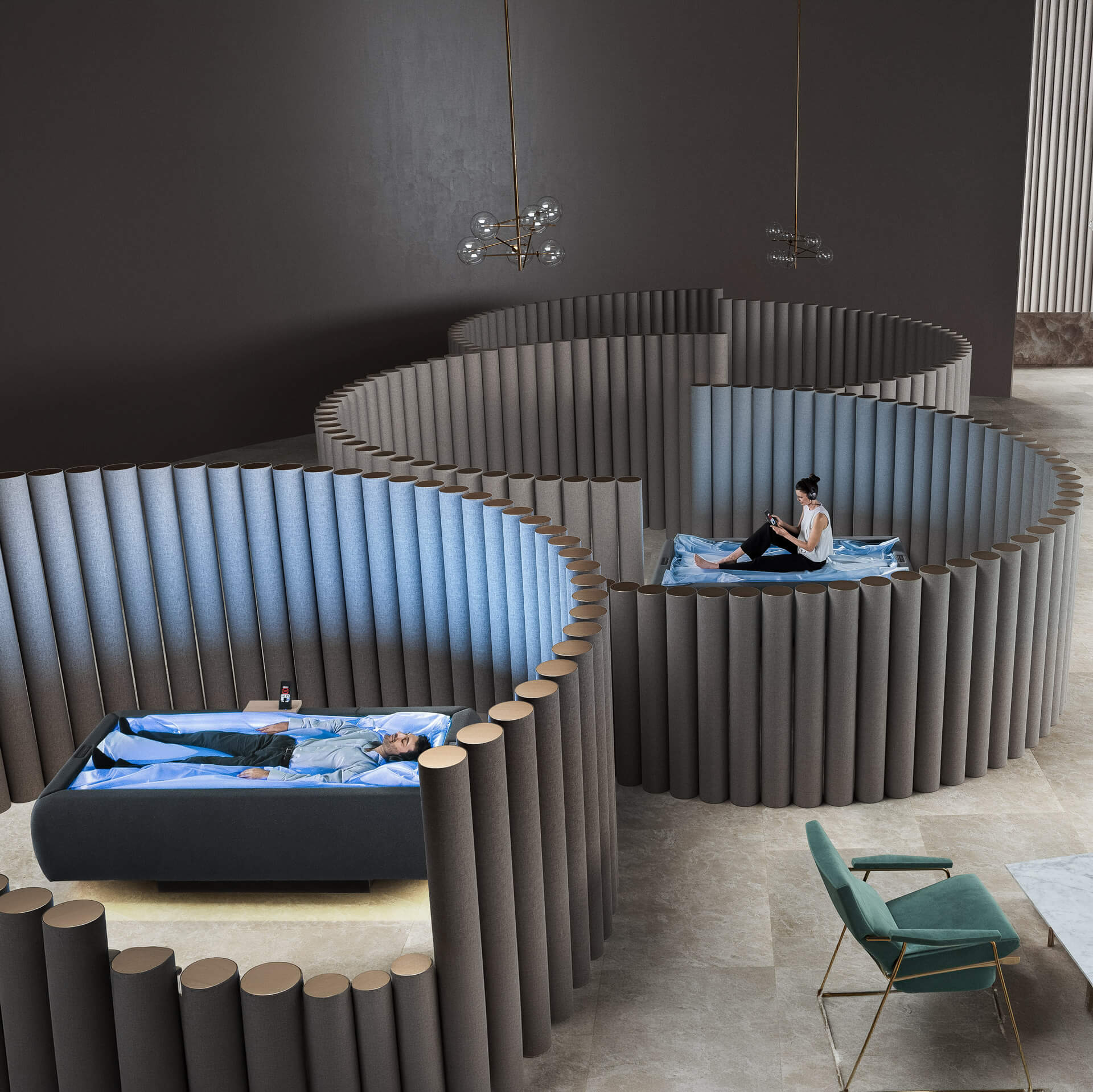
Dry floating can be operated in a dry room. A shower or changing room is not required for the session. Still: several hundred litres of water mean weight. Floor load, delivery route and power supply are checked for your specific room before installation, not with estimates.
- Wet: shower, drain, ventilation, water treatment, corrosion-resistant fittings
- Dry: floor space, load capacity, power supply, quiet room
- Both: sound insulation, dimmable light, rest area afterwards
Cleaning and hygiene
With a floating tank, water hygiene is central: the solution is shared by many guests and must be treated and monitored continuously. That takes know-how and staff time, permanently.
With dry floating, the guest never touches the water. Between guests, the lying surface is wiped down with an agent suitable for the membrane, it only takes a few minutes.
Which option suits which spa?
A floating tank can be a strong experience for venues with existing wet infrastructure and guests with plenty of time. Dry floating shows its strengths where space, staff and conversion budget are limited or guests move between other treatments.
- Infrastructure: wet area available?
- Guest profile: time budget, spontaneity
- Staff: cleaning, hygiene
- Installation: load, power, delivery
Read more about the dry option in our dry floating and ice bath check and on the Zerobody page.
HF Concepts Check: how we rate dry floating by facility type
In the HF Concepts Check, we score nine criteria from 1 to 5, always for a specific facility type. The same technology can score strongly in one facility type and only moderately in another. That is exactly the point. The dry floating scores match our dry floating and ice bath check. We don’t carry floating tanks and therefore don’t score them.
Our assessment after reviewing the technology, based on typical facilities of each type. No guarantee for any individual case.
Hotel & resort: 37/45; Gym: 35/45; Companies: 34/45.
How to communicate dry floating in line with HWG
| Safe to communicate | Avoid |
|---|---|
| Floating without getting wet, fully clothed | “floating on an air cushion” (technically wrong) |
| No changing, showering or hair drying | “cures back pain” or other complaints |
| Deep relaxation, calm, time out | “like 8 hours of sleep in 30 minutes” |
| Audio, light and massage programmes | “scientifically proven” without a citable study |
A suitability check before the first session belongs in every professional workflow. If there are health questions, the application should be cleared with a physician beforehand.
Ready to add a proven revenue stream?
From cryotherapy to hyperbaric oxygen — explore our full portfolio and request pricing for your facility.
Get a QuoteFrequently asked questions
What is the difference between dry floating and floating?
In classic floating, the guest lies directly in a salt solution. In dry floating, they lie clothed on a flexible membrane with warm water beneath it. Both use water for support but differ greatly in guest journey and infrastructure.
Do you lie on an air cushion in dry floating?
No. In the Zerobody system, a membrane over several hundred litres of temperature-controlled water carries the body. It is a water-supported lying surface, not air-cushion or airflow technology.
Does dry floating need a shower or changing room?
Not for the session itself, since the guest stays dressed and has no contact with water. A quiet room, sufficient load capacity and a suitable power supply are still needed.
How long does a dry floating session last?
With Zerobody, usually around 30 to 60 minutes, depending on the programme.
Which option is more economical for a spa?
That depends on existing wet infrastructure, guest profile and staff. Dry floating saves shower, changing and water hygiene effort; a floating tank offers a different experience but ties up more space and supervision.
Transparency: HF Concepts sells some of the technologies discussed here. That’s why we assess against clear criteria and advise against a purchase when the fit is missing.
Note: All information is general, non-medical information. The applications discussed are wellness and recovery applications and do not replace medical advice.