
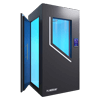
 Electric cryo chamber
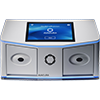 Thermal contrast
 Ice bath 2.0
 Dry Floating
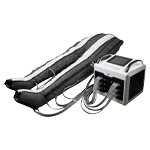 Lymphatic drainage
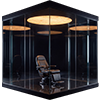 Multisensory Regeneration Cabin
 IHHT altitude training
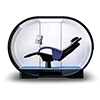 HBOT Oxygen chamber
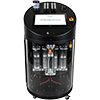 Water Plasma Application
 Red Light Therapy
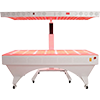 Photobiomodulation
 Cell regeneration
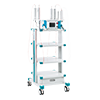 Endolaser
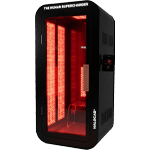 HaloCab Human Supercharger
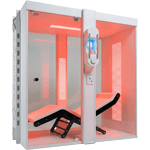 Salt & Red Light
 Vibroacoustics
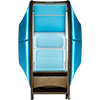 Magnetic Field Applications
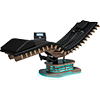 Back therapy system
 WeberBrain
 Pelvic floor training
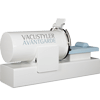 iFlow® IVT Therapy
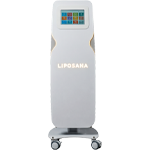 Frequency ultrasound
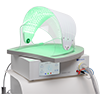 Dermio Care Plus
 Lounge equipment
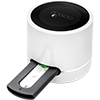 Health of Point Diagnostics
 Body analysis
 FRAS 5
 Mobile HRV measurement
Multi-Site Wellness Technology Standardization
Multi-site wellness technology standardization gives you one repeatable way to select, integrate and operate technology across all locations. It is built for operators who are expanding, harmonizing existing sites or trying to align mixed vendor and device setups in hotel, fitness, recovery and longevity concepts. HF Concepts supports this process end to end, from concept logic and technology assessment to procurement alignment, integration planning, rollout guidance and ongoing operations such as a preventive maintenance plan. Because we work manufacturer-neutrally and with strong awareness of compliance boundaries, you get a scalable standard that protects consistency without blocking innovation.
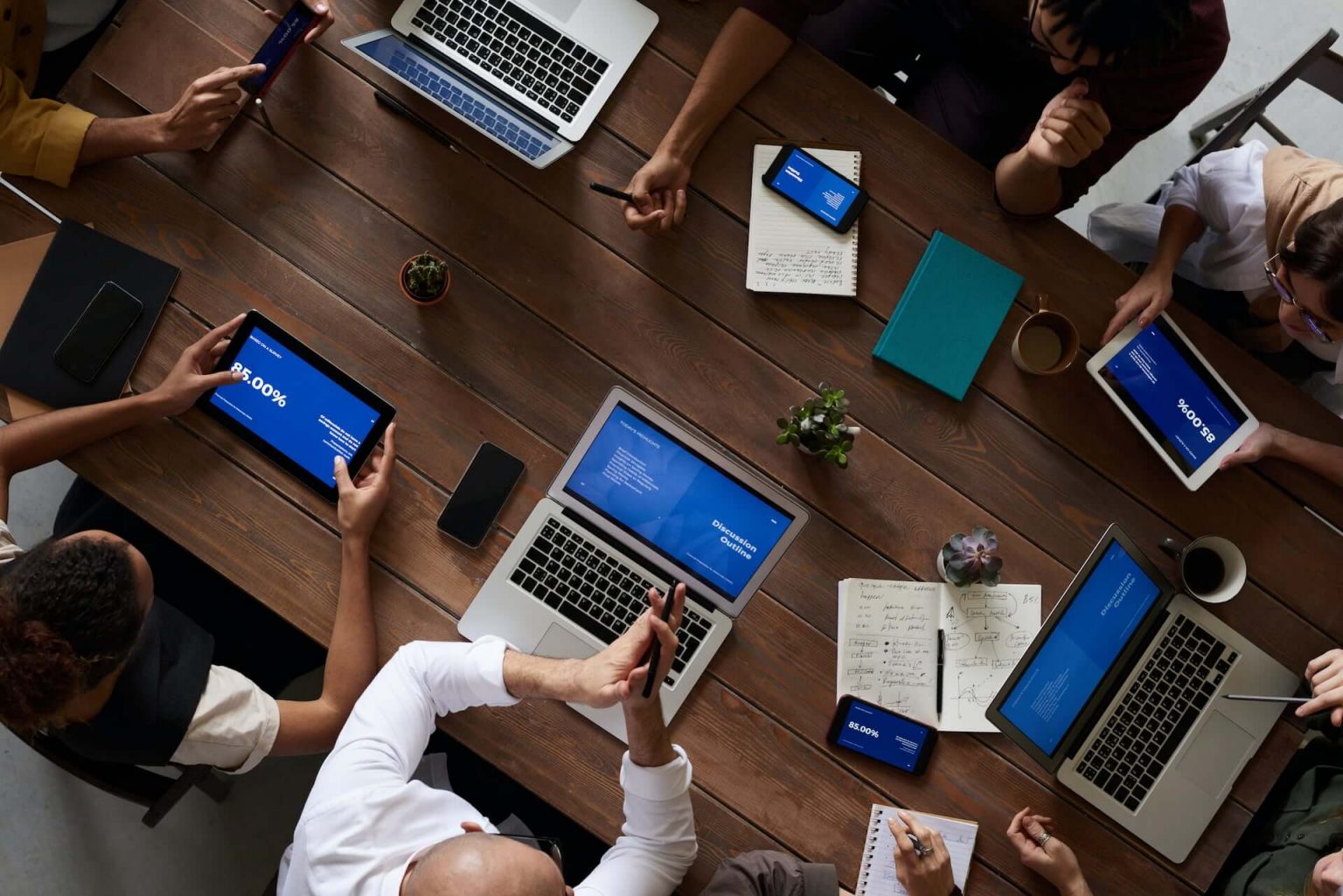
What multi-site wellness technology standardization really means
Wellness technology standardization is not just about buying the same equipment for every site. It means creating one shared framework for technology selection, claim boundaries, workflows, data handling, permissions and user experience across the group.
That matters because wellness concepts often combine categories that sit under different operational and regulatory expectations. A useful standard defines intended-use boundaries clearly and shows when a deeper review around CE/MDR, advertising rules or data protection is needed, including cases where EU medical device compliance advisory is appropriate. Shared assessment criteria help leadership, procurement teams and site managers make consistent decisions instead of relying on local preference.
The right framework is also modular, so new technologies can be reviewed, tested and added without creating fragmentation later.

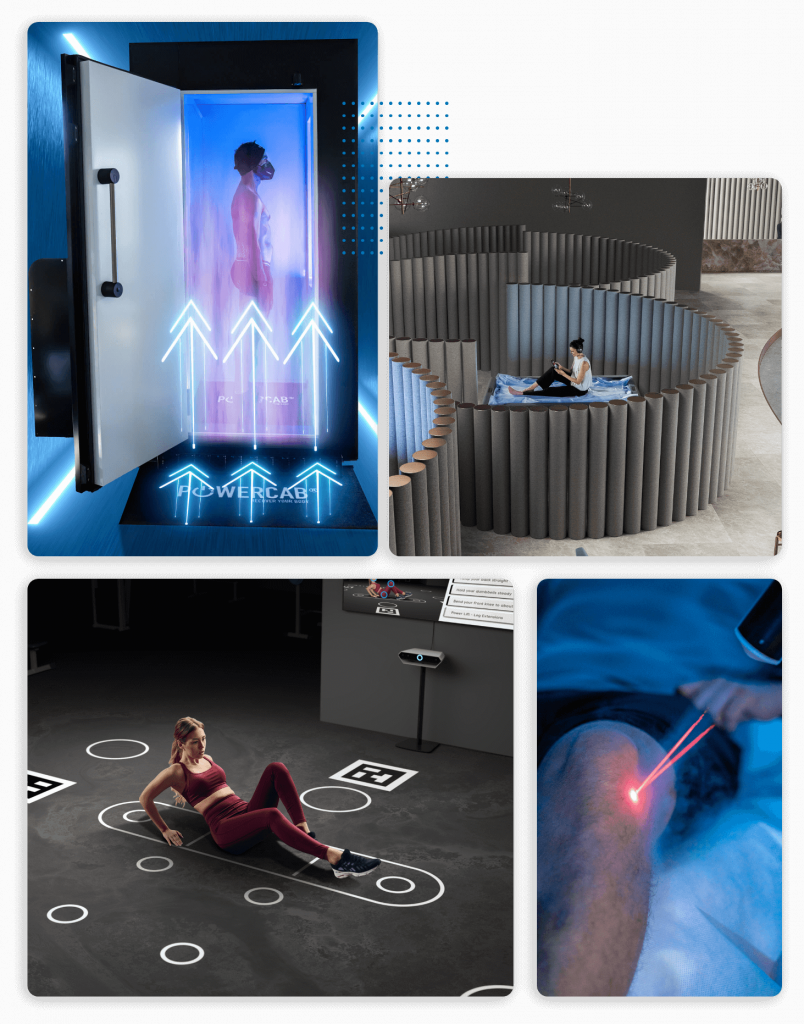
What we standardize across your locations
The exact mix depends on your concept, but the same drift points show up again and again in longevity, recovery, hotel-spa and fitness-based wellness environments. We standardize the layers below so every location can deliver a consistent offer while still leaving room for controlled innovation.
| Standardization layer | What we align across sites |
|---|---|
| Technology categories and device mix | Approved categories, group-wide solutions, replacement rules, alternatives and minimum requirements for footprint, operator effort, serviceability and vendor support. |
| Digital tools and connected systems | Booking flows, operator interfaces, dashboards, wearable inputs and app-based guidance, checked for interoperability, reporting consistency and handoff quality. |
| Permissions, consent and data handoffs | What information is captured, how permissions are handled, who can access it and where data moves next, with clear flags for deeper GDPR or compliance review. |
| Room flow and space logic | Intake touchpoints, preparation zones, time-slot assumptions, session flow, turnaround times, cleaning, reset steps, signage and adjacent services. |
| Operator protocols and staffing | Operator instructions, role allocation, training, handovers, refresher requirements, documentation points and escalation boundaries. |
| Reporting and comparison logic | Comparable group measures for utilization, adoption, package uptake, completion rates, downtime, support issues and experience feedback. |
| Customer experience and accessibility | Service naming, explanatory language, onboarding materials, visual consistency, comfort expectations and accessibility considerations. |
| Supplier support and lifecycle management | Vendor responsibilities, installation expectations, after-sales support, issue routing, upgrades and group-wide lifecycle planning. |
| Evidence, claims and vendor approval | Evidence level, usability, support quality, commercial fit and appropriate boundaries for non-clinical claims before full rollout, pilot use or local testing. |
How we turn different sites into one scalable operating standard
A practical group-wide blueprint
Our process is built to unify what already works, close the weak points and give you a framework that can grow with the business.
- We start with an audit of your current locations, suppliers, devices, digital tools and workflows to see where standards already exist and where they break down in practice.
- We build a group-level blueprint and technology roadmap for wellness operators covering approved technology categories, evaluation criteria, workflow templates, documentation points and escalation routes.
- We test that blueprint against real operating conditions, including staff usability, privacy needs, integration limits and future expansion plans.
- We support rollout through procurement alignment, integration guidance and handover materials for existing sites and new openings.
Signs your locations need a shared standard
Many groups do not notice the real cost of inconsistency until expansion speeds up. If several of these signs sound familiar, it is usually time to create one operating standard.
- The same offer is delivered through different devices, suppliers or service logic at different sites.
- Apps, wearables or connected systems are creating reporting gaps, duplicate work or unclear data handoffs.
- Leadership cannot compare adoption, utilization, customer experience or rollout success across locations.
- New openings rebuild room flow, documentation and staff guidance from scratch.
- AI-supported tools, diagnostics or recovery technologies are being added faster than governance and training rules can keep up.
- Supplier decisions depend more on local preference or sales pressure than on group-wide criteria for interoperability, evidence, support quality and scalability.
Common questions about wellness technology standardization
Operators usually start asking about standardization when growth creates friction between locations. The questions are rarely just about equipment. They are about how to decide what belongs in the concept, how to compare sites fairly, how to introduce new technologies without creating chaos and where compliance-sensitive boundaries begin.
Which wellbeing trends matter most in 2026 for multi-site operators?
The biggest trends are less about standalone devices and more about connected ecosystems. Operators are seeing stronger demand for technologies that link sessions, data points and user journeys across touchpoints. AI-assisted personalization is becoming more relevant, while privacy expectations are rising around apps, wearables, diagnostics and connected reporting.
For multi-site groups, the key decision is whether a trend is ready for full group rollout, controlled testing or local-only use. Shared reporting, permissions, training rules and operating logic are essential before connected tools and AI layers can create value at scale.
What counts as wellness technology in a multi-site concept?
Wellness technology can cover device-led and digital layers, including cryotherapy chambers, IHHT systems, hyperbaric oxygen systems, photobiomodulation and red-light devices, body-analysis solutions, diagnostics, apps and wearables. Classification depends on intended use, user data, service presentation and the claims attached to the offer.
HF Concepts assesses operational fit, experience quality, interoperability, support quality and the boundary between wellness positioning and compliance-sensitive claims before a solution becomes part of a broader operating standard.
What kinds of wellness technology companies are usually involved?
Most multi-site concepts involve equipment manufacturers, app platforms, wearable or sensor providers, body-analysis or diagnostics vendors and technical integration partners. In advanced setups, specialist software may also support booking, reporting or customer engagement.
For multi-site use, the important questions are whether the solution integrates well, whether support is dependable, whether the vendor can scale with your footprint and whether the technology can be operated consistently from one location to the next.
How has technology changed wellness operations?
Technology has moved wellness operations away from isolated treatments and toward connected service journeys. Guests and members may discover a service online, book through a platform, complete a digital intake step, use a device-led format on site and receive follow-up guidance through an app or another channel.
Technology can make service delivery more consistent and give teams better visibility into usage patterns, but it also increases operational complexity. A strong standard sets shared rules for technology approval, workflows, reporting, permissions, user communication and escalation so innovation strengthens trust rather than weakening it.
Start with a multi-site standardization review
If you want a clearer path from site-by-site decisions to one scalable operating model, book your free initial wellness technology analysis with HF Concepts.
- Approved technology categories and device standards
- Consistent room flow and operator protocols
- Shared reporting and comparison logic
- Connected systems, permissions and data handoffs
- Supplier support and lifecycle management
Why standardization matters for growing operators
A shared standard gives leadership comparable information, procurement clearer decision criteria and site teams a practical model they can repeat. It protects a coherent customer experience across hotel-spa, longevity, recovery and fitness environments without preventing controlled local innovation.
HF Concepts combines manufacturer-neutral technology assessment, business thinking and implementation support. We help you define what belongs in the core model, what should be piloted and what should wait until the operational foundations are ready.
Ready to align every location under one standard?
If your sites are drifting into different vendor stacks, workflows or interpretations of the same offer, now is the right time to define the group standard. The next step is a working conversation about your locations, rollout goals, technologies, supplier mix, integrations and use cases that may need closer compliance review.
HF Concepts can support the standardization framework itself and adjacent work such as wellness technology integration, equipment procurement advisory, feasibility planning and EU medical device compliance-related guidance.