
 Electric cryo chamber
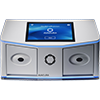 Thermal contrast
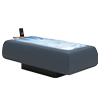 Ice bath 2.0
 Dry Floating
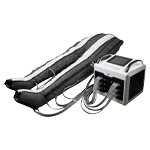 Lymphatic drainage
 Multisensory Regeneration Cabin
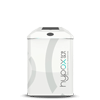 IHHT altitude training
 HBOT Oxygen chamber
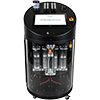 Water Plasma Application
 Red Light Therapy
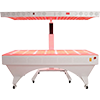 Photobiomodulation
 Cell regeneration
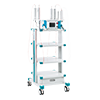 Endolaser
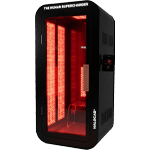 HaloCab Human Supercharger
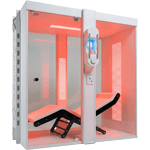 Salt & Red Light
 Vibroacoustics
 Magnetic Field Applications
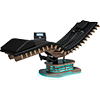 Back therapy system
 WeberBrain
 Pelvic floor training
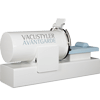 iFlow® IVT Therapy
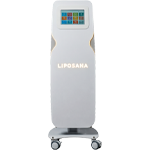 Frequency ultrasound
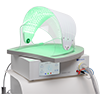 Dermio Care Plus
 Lounge equipment
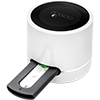 Health of Point Diagnostics
 Body analysis
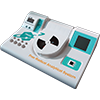 FRAS 5
 Mobile HRV measurement
Medical device compliance in Europe
Bringing a medical or health technology to the European market is rarely just a CE marking exercise. You need the right qualification, a realistic conformity assessment route, compliant claims, solid documentation, and a plan for post-market obligations. HF Concepts provides manufacturer-independent advisory for medical device compliance in Europe, helping you turn complex MDR and IVDR requirements into a practical route to market. From Berlin, we support innovators, manufacturers, importers, distributors, clinics, and wellness operators that need clear guidance, coordinated implementation, and a commercially workable compliance strategy.

What EU medical device compliance actually involves
Medical device compliance in Europe starts with a simple but critical question: is your product legally a medical device, an in vitro diagnostic, a wellness product, or something more complex such as a software device, a substance-based product, or a combination product? That decision shapes everything that follows, from classification and evidence requirements to labeling, authorised representation, and the level of notified body involvement.
For products that fall under the European medical device framework, compliance is built around the full product lifecycle. That includes intended purpose, risk classification, conformity assessment, technical documentation, clinical or performance evidence, quality management, CE marking, registration steps, and post-market surveillance. A successful EU market entry depends on choosing the correct path early and managing it consistently.

Who this service is for
This service is designed for EU and non-EU manufacturers, importers, distributors, wellness brands, clinics, therapy centres, and project developers that need a clear route through European medical device rules.
It is particularly useful when you are dealing with new product categories, uncertain classification, software functionality, expansion into the EU, or commercial claims that may shift a product into regulated territory.
The core regulations behind CE compliance in Europe
EU MDR, IVDR and CE marking
EU MDR for medical devices
Most medical devices placed on the EU market are governed by Regulation (EU) 2017/745, usually called the Medical Device Regulation or MDR. It tightened requirements for classification, traceability, technical documentation, clinical evaluation, economic operators, post-market surveillance, and manufacturer accountability. It also expanded the scope of regulated products, which is especially relevant for innovative health technologies and products sitting between wellness and medical use.
EU IVDR for in vitro diagnostics
In vitro diagnostic devices are regulated under Regulation (EU) 2017/746, the IVDR. IVDR introduced a more structured risk-based framework and significantly increased notified body involvement for many diagnostic solutions. If your product measures, analyses, or supports decisions based on biological samples, IVDR may apply even if the product was previously treated as low risk.
Where CE marking fits
CE marking is the visible result of compliance, not the starting point. Before a CE mark can be affixed, the manufacturer must complete the applicable conformity assessment route and demonstrate that the product meets the relevant safety and performance requirements. Some lower-risk products may follow self-declaration, while many other devices and most higher-risk categories require notified body review.
Key compliance checkpoints before EU market placement
| Checkpoint | What it covers | Why it matters |
|---|---|---|
| Qualification and classification | Intended purpose, claims, product type, risk class | Determines whether MDR, IVDR, or another framework applies |
| Conformity assessment route | Self-declaration or notified body involvement | Sets timeline, cost, and evidence expectations |
| Technical documentation and evidence | Risk management, testing, clinical or performance data, QMS | Forms the core proof of compliance |
| Labeling and registration readiness | UDI, instructions, operator details, EUDAMED planning | Supports traceability and lawful market placement |
| Post-market obligations | Surveillance, vigilance, trend reporting, updates | Compliance continues after launch |
Device qualification and classification
One of the most common and expensive mistakes is assuming the product category too early. Under EU rules, classification depends on intended purpose, level of invasiveness, duration of contact, software functionality, and clinical impact. For wellness and longevity technologies, even small wording changes in claims can shift a product from lifestyle use into regulated medical device territory.
Questions that usually decide scope
What does the product claim to do? Is it used for diagnosis, prevention, monitoring, prediction, prognosis, treatment, or alleviation of disease? Does software influence a clinical decision? Is the product invasive, implantable, or systemically absorbed? These questions are often decisive for both classification and evidence planning.
Conformity assessment and notified bodies
Once classification is clear, the next step is the conformity assessment route. Some lower-risk devices may be self-certified by the manufacturer, while many higher-risk devices require review by a notified body designated under MDR or IVDR. This affects project timing, audit readiness, documentation structure, and certificate strategy.
Technical documentation, clinical evidence, and risk management
European compliance depends on a defensible technical file, not just a product brochure and test report bundle. Manufacturers need structured documentation covering product description, design and manufacturing information, risk management, verification and validation, labeling, usability where relevant, and clinical evaluation or performance evaluation. A suitable quality management system is equally important.
Labeling, UDI, EUDAMED, and economic operators
Compliant EU market access also requires correct labeling and supply-chain roles. That can include Unique Device Identification, importer details, authorised representative details for non-EU manufacturers, and procedures for registration and data management. Companies should prepare for EUDAMED use and ensure they have the right internal regulatory responsibilities in place, including a qualified person responsible for compliance where required.
Post-market surveillance and vigilance
Compliance does not end when a product is launched. Under MDR and IVDR, manufacturers must actively monitor safety and performance in the field, evaluate complaints and trends, manage corrective actions, and report serious incidents within required timelines. For many devices this also means periodic reporting, post-market clinical follow-up, and ongoing review of whether technical documentation reflects real-world use.
Frequently asked questions about medical device compliance in Europe
What is the new EU regulation for medical devices?
The main regulation is the Medical Device Regulation, Regulation (EU) 2017/745 or MDR. In vitro diagnostic devices are covered by Regulation (EU) 2017/746 or IVDR. Together, these regulations replaced the older directive-based framework with stricter requirements for evidence, traceability, oversight, and lifecycle compliance.
Which countries does EU MDR apply to?
MDR applies across EU member states. If you plan distribution beyond the EU, such as the UK or Switzerland, you should assess those markets separately instead of assuming one European pathway covers all of them.
Does EU MDR apply to the UK?
Not for Great Britain. The UK has its own medical device framework and market access requirements. If you want to sell in both the EU and the UK, you usually need a dual compliance strategy. Northern Ireland can involve separate considerations linked to EU rules.
Do all devices need a notified body?
No. Some lower-risk devices can still follow a self-declaration route under the applicable rules. However, many medical devices and a much larger share of IVDs require notified body involvement. The exact answer depends on qualification, classification, and product features.
What is EUDAMED and do I need it?
EUDAMED is the European database created to improve traceability and transparency for medical devices. Its modules are being implemented progressively, and obligations can depend on the current rollout status and your role in the supply chain. Manufacturers should prepare their data and documentation with EUDAMED requirements in mind.
How do I know whether my wellness technology is legally a medical device?
The decisive factors are intended purpose, claims, functionality, and how the product is used in practice. If you position a product around diagnosing, monitoring, preventing, or treating a medical condition, or if software influences clinical decisions, MDR may apply even when the commercial category sounds like wellness or performance optimisation.
How long does EU medical device compliance usually take?
It depends on the device type, class, evidence maturity, documentation quality, and whether a notified body is required. The biggest time savings usually come from getting qualification, claims, and documentation strategy right at the beginning.
Start with independent guidance
If you are building or upgrading a clinic, spa, performance center or longevity concept, start with a free initial consultation to assess fit, opportunity and the right next step.
- Cryo chamber systems
- Thermal contrast and ice baths
- Dry floating and vibroacoustics
- Red light and photobiomodulation
- IHHT, HBOT, compression and body analysis
How HF Concepts supports your EU compliance strategy
HF Concepts helps you structure the path, identify the gaps, and coordinate the right next steps. We are manufacturer-independent, which means our advice is guided by your regulatory position, commercial objectives, and operational reality, not by a device sales agenda.
- Qualification support for medical device, IVD, software, and borderline products
- MDR and IVDR pathway mapping, including class and conformity assessment logic
- Gap assessments for technical documentation, evidence, labeling, and lifecycle obligations
- Review of claims and positioning from a regulatory and market perspective
- Coordination with authorised representatives, notified bodies, test partners, and specialist advisers where needed
- Practical guidance for importers, distributors, clinics, and wellness operators working with regulated technologies
- Alignment of compliance planning with market rollout, business model, and implementation priorities
We also help assess how compliance choices affect market fit, operator workflows, and long-term profitability, especially for innovative technologies that need both scientific credibility and practical adoption.
Our approach
1. Assess the product and the claims
We start by reviewing intended purpose, user scenario, claims, product features, and business model so the regulatory discussion begins from the real commercial context.
2. Build the compliance roadmap
Next, we map the likely regulatory framework, product class, conformity assessment route, and the critical documentation, evidence, and partner decisions needed.
3. Coordinate the missing pieces
We help you prioritise gaps, prepare for external stakeholders, and align technical, regulatory, and operational workstreams so the project moves forward efficiently.
4. Support launch readiness and lifecycle planning
A compliant launch also needs practical preparation for labeling, market placement, surveillance, and internal responsibilities. We help connect those obligations with your rollout plan.
If you need a clear, practical route through EU MDR, IVDR, CE marking, and related compliance questions, HF Concepts can help you structure the process and move forward with confidence.