
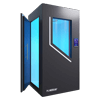
 Electric cryo chamber
 Thermal contrast
 Ice bath 2.0
 Dry Floating
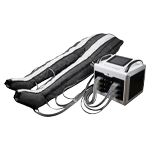 Lymphatic drainage
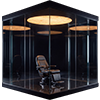 Multisensory Regeneration Cabin
 IHHT altitude training
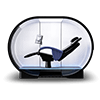 HBOT Oxygen chamber
 Water Plasma Application
 Red Light Therapy
 Photobiomodulation
 Cell regeneration
 Endolaser
 HaloCab Human Supercharger
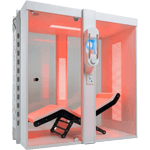 Salt & Red Light
 Vibroacoustics
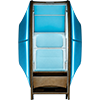 Magnetic Field Applications
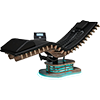 Back therapy system
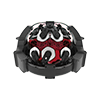 WeberBrain
 Pelvic floor training
 iFlow® IVT Therapy
 Frequency ultrasound
 Dermio Care Plus
 Lounge equipment
 Health of Point Diagnostics
 Body analysis
 FRAS 5
 Mobile HRV measurement

Short answer
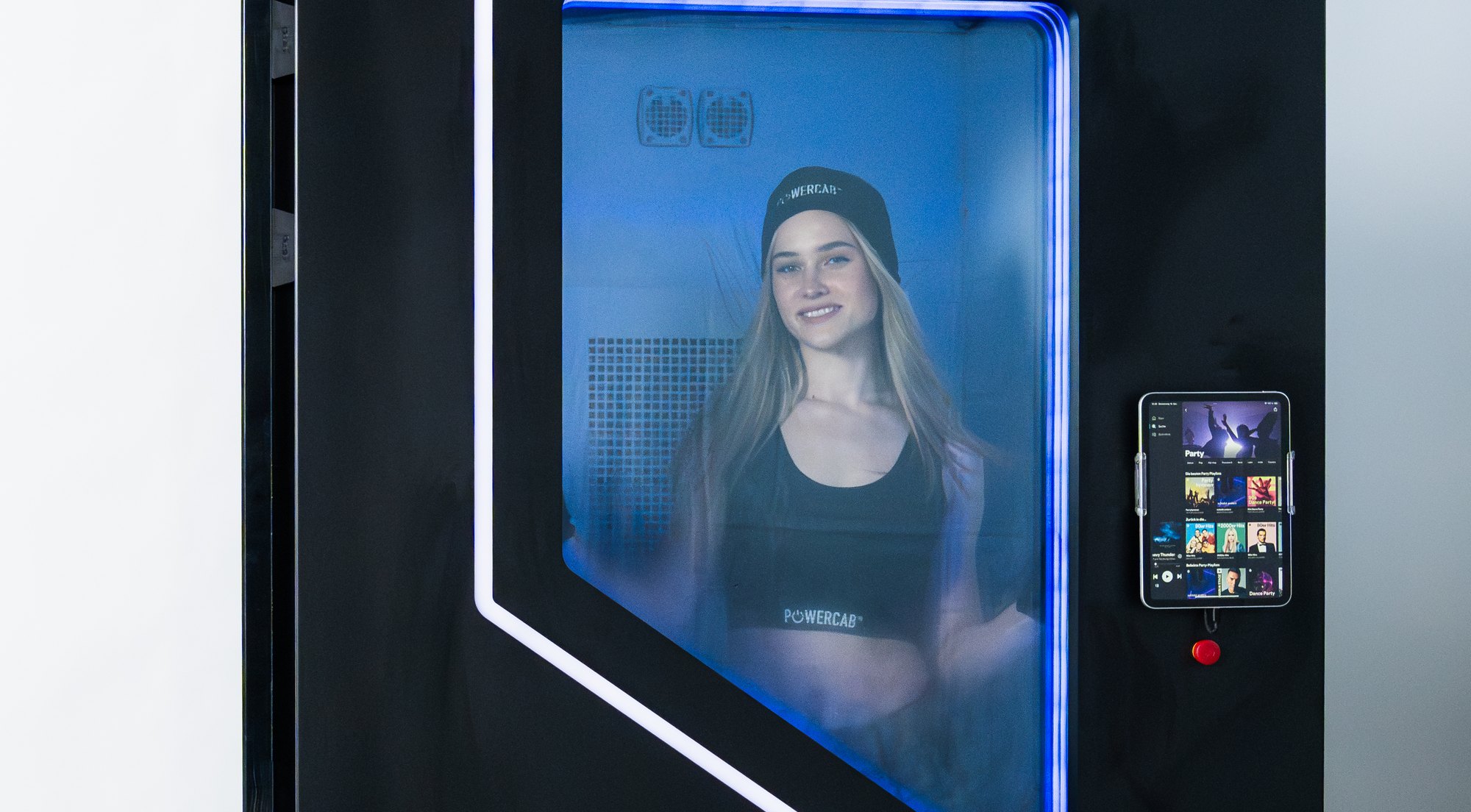
Electric cryo chamber running costs include cool-down, standby and use. POWERCAB lists an average power input of 3.5 kW for STORM and LIGHT. This is not a guaranteed upper limit. Using this figure, 11 operating hours and an assumed €0.30/kWh gives 38.5 kWh and around €11.55 per day. A sub-meter provides the actual consumption at your site.
Position your facility as a longevity destination.
In a 30-minute session, we'll assess which longevity and biohacking technologies fit your space, your clientele, and your business model — and which don't.
Arrange a ConsultationAt a glance
Average power input
3.5 kW (POWERCAB STORM / LIGHT)
Mains connection
400 V / 16 A
Calculation figure
3.5 kWh per operating hour
Example day
38.5 kWh or €11.55 (assumptions)
Biggest lever
utilisation, standby without guests costs too
Real value
only via sub-meter
Rated power is not energy consumption
Cryo chamber electricity consumption is often misjudged because rated power and energy consumption get mixed up. For electric cryo chamber costs, the whole operating day counts.
The most common mix-up with cryo chambers: kilowatts (kW) describe power. Kilowatt-hours (kWh) describe energy consumed over time. A power figure may describe an instantaneous value, an average or a maximum. Only kWh end up on the electricity bill.
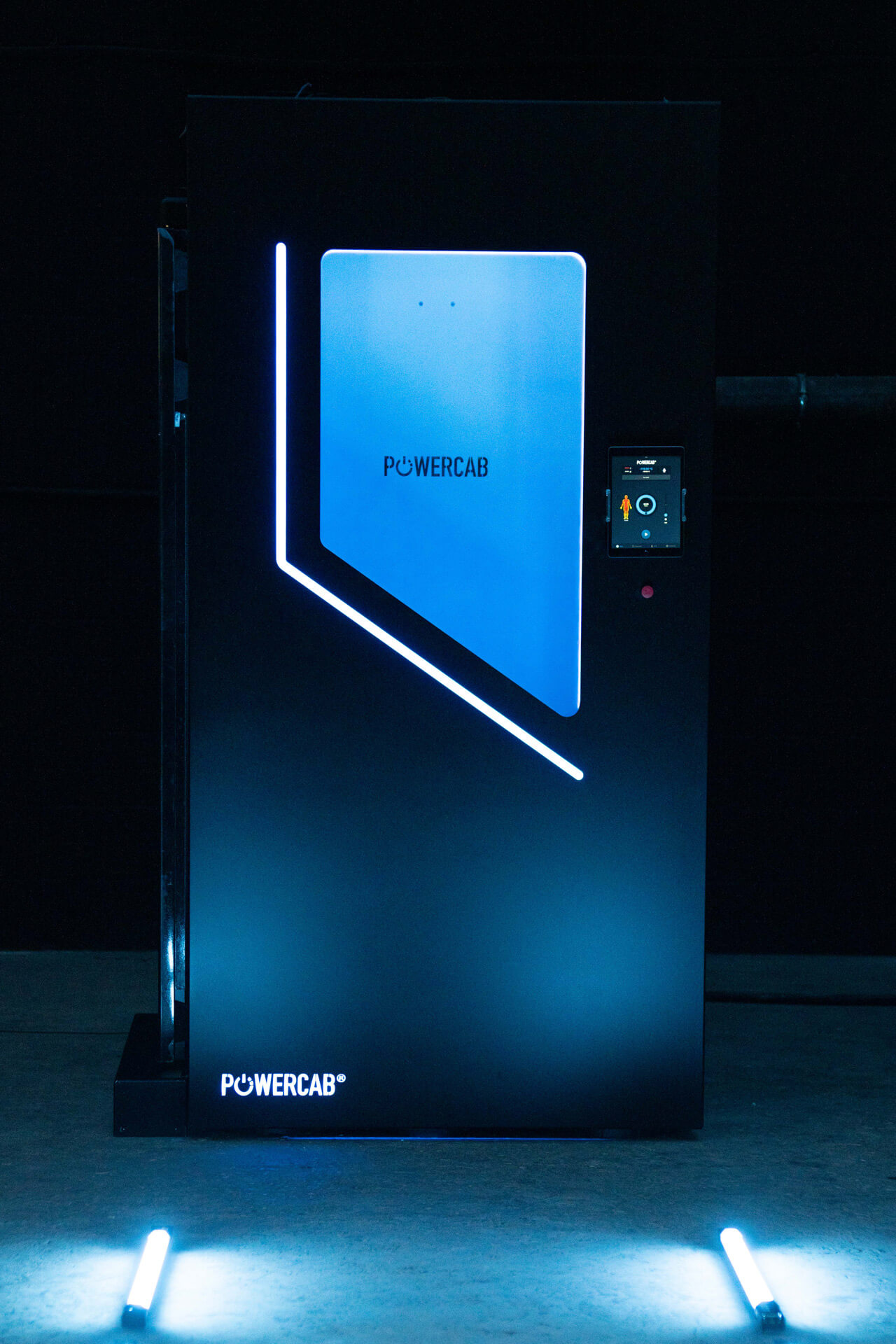
For POWERCAB STORM and LIGHT, the manufacturer lists an average power input of 3.5 kW and a 400 V / 16 A connection. One hour at 3.5 kW corresponds to 3.5 kWh. This does not establish a fixed consumption per session or a guaranteed upper limit for a day.
Three phases: cool-down, standby, use
Over the day, an electric cryo chamber passes through three phases you should consider separately:
- Cool-down: from room to operating temp.
- Standby: holding temp., no guest
- Use: sessions, door openings, re-cooling
Energy (kWh) = average power input (kW) × operating hours (h)
For an initial estimate, multiply the assumed average power input by operating hours. For a more precise calculation, measure cool-down, standby and use separately.
The manufacturer’s average figure is not a measured load profile for your site. Room temperature, ventilation and use affect consumption. Measure actual kWh with a sub-meter.
Worked example for one operating day
The following values are explicit assumptions for a worked example, replace them with your own:
| Input | Value | Basis |
|---|---|---|
| Average power input | 3.5 kW | Technical data POWERCAB STORM / LIGHT |
| Cool-down before opening | 1 h | Assumption for the example |
| Standby + use | 10 h (opening hours) | Assumption |
| Operating profile | constant calculation figure across all phases | simplified assumption, not a measured load profile |
| Electricity price | €0.30 / kWh | Assumption, use your commercial tariff |
| Operating days | 26 per month | Assumption |
3.5 kW × 11 h = 38.5 kWh per day (calculation figure)
38.5 kWh × €0.30 = €11.55 per day · × 26 days = around 1,000 kWh or €300 per month, as an estimate.
Actual consumption may be higher or lower than this estimate. An average figure does not establish a consumption ceiling.
Electricity cost per session: utilisation decides
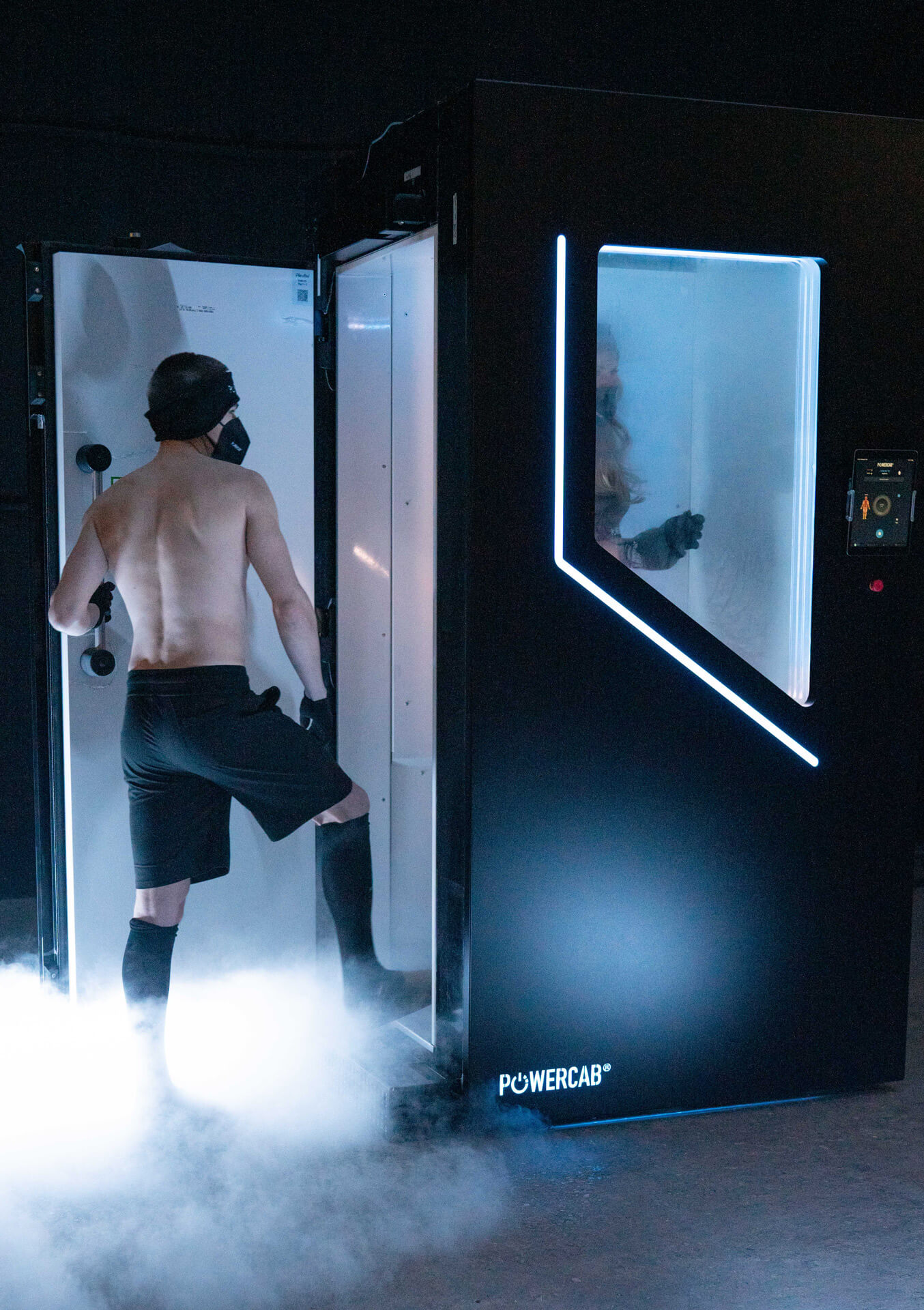
Because much of the energy goes into cool-down and standby, daily costs are spread across sessions. The more sessions, the lower the electricity share per session:
| Sessions per day | Electricity cost per session (example) |
|---|---|
| 10 | approx. €1.16 |
| 30 | approx. €0.39 |
| 60 | approx. €0.19 |
Basis: €11.55 per day from the worked example. Additional sessions slightly increase consumption through door openings and re-cooling, again, only a measurement shows the effect.
How to determine your real consumption
- Record the cool-down time at your own site, it depends on room temperature and ventilation
- Plan a sub-meter for the chamber and read it by phase during the first weeks
- Replace the initial estimate with your measured consumption in kWh
- Use your actual commercial electricity price, including standing and grid charges
- Record boundary conditions: room temperature, ventilation and opening hours affect consumption
Purchase, maintenance, staff and payback are covered in our cryo chamber check. This article deliberately sticks to electricity. For the chamber itself: POWERCAB at HF Concepts.
How to communicate energy costs honestly
Whether to a bank, investor or client: these phrasings stand up to scrutiny.
| Safe to communicate | Avoid |
|---|---|
| Transparent, traceable electricity costs | “only 3.5 kWh per session” (kW ≠ kWh) |
| Distinguish assumptions from measurements | Consumption figures without a reference unit |
| Spread fixed daily costs over more sessions | Electricity prices not marked as assumptions |
| Measurement with a sub-meter | Leaving out standby time |
Ready to add a proven revenue stream?
From cryotherapy to hyperbaric oxygen — explore our full portfolio and request pricing for your facility.
Get a QuoteFrequently asked questions
How much electricity does a cryo chamber use?
Consumption depends on average power input and the duration of each operating phase. An assumed 3.5 kW over one hour gives 3.5 kWh. Only measurement shows whether that applies at your site; it is not a guaranteed upper limit.
What is the difference between kW and kWh for a cryo chamber?
kW describes power; kWh describes energy consumed over time. A kW specification must state whether it refers to an average or a maximum. You are billed for kWh.
What does electricity for an electric cryo chamber cost per day?
The worked example assumes an average power input of 3.5 kW, 11 operating hours and €0.30 per kWh, giving around €11.55 per day. Your actual cost depends on your tariff and measured consumption and may be higher or lower.
How much is the electricity cost per session?
It falls with utilisation: in the example, around €1.16 at 10 and around €0.39 at 30 sessions per day.
Does a cryo chamber use electricity without guests?
Yes. On standby, the chamber holds its operating temperature. This phase usually lasts longest and belongs in every calculation.
Transparency: HF Concepts sells some of the technologies discussed here. That’s why we assess against clear criteria and advise against a purchase when the fit is missing.
Note: All information is general, non-medical information. The applications discussed are wellness and recovery applications and do not replace medical advice.