
 Electric cryo chamber
 Thermal contrast
 Ice bath 2.0
 Dry Floating
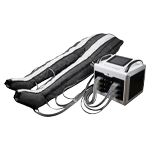 Lymphatic drainage
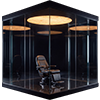 Multisensory Regeneration Cabin
 IHHT altitude training
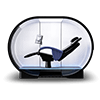 HBOT Oxygen chamber
 Water Plasma Application
 Red Light Therapy
 Photobiomodulation
 Cell regeneration
 Endolaser
 HaloCab Human Supercharger
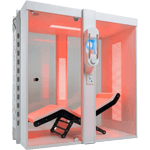 Salt & Red Light
 Vibroacoustics
 Magnetic Field Applications
 Back therapy system
 WeberBrain
 Pelvic floor training
 iFlow® IVT Therapy
 Frequency ultrasound
 Dermio Care Plus
 Lounge equipment
 Health of Point Diagnostics
 Body analysis
 FRAS 5
 Mobile HRV measurement

Short answer
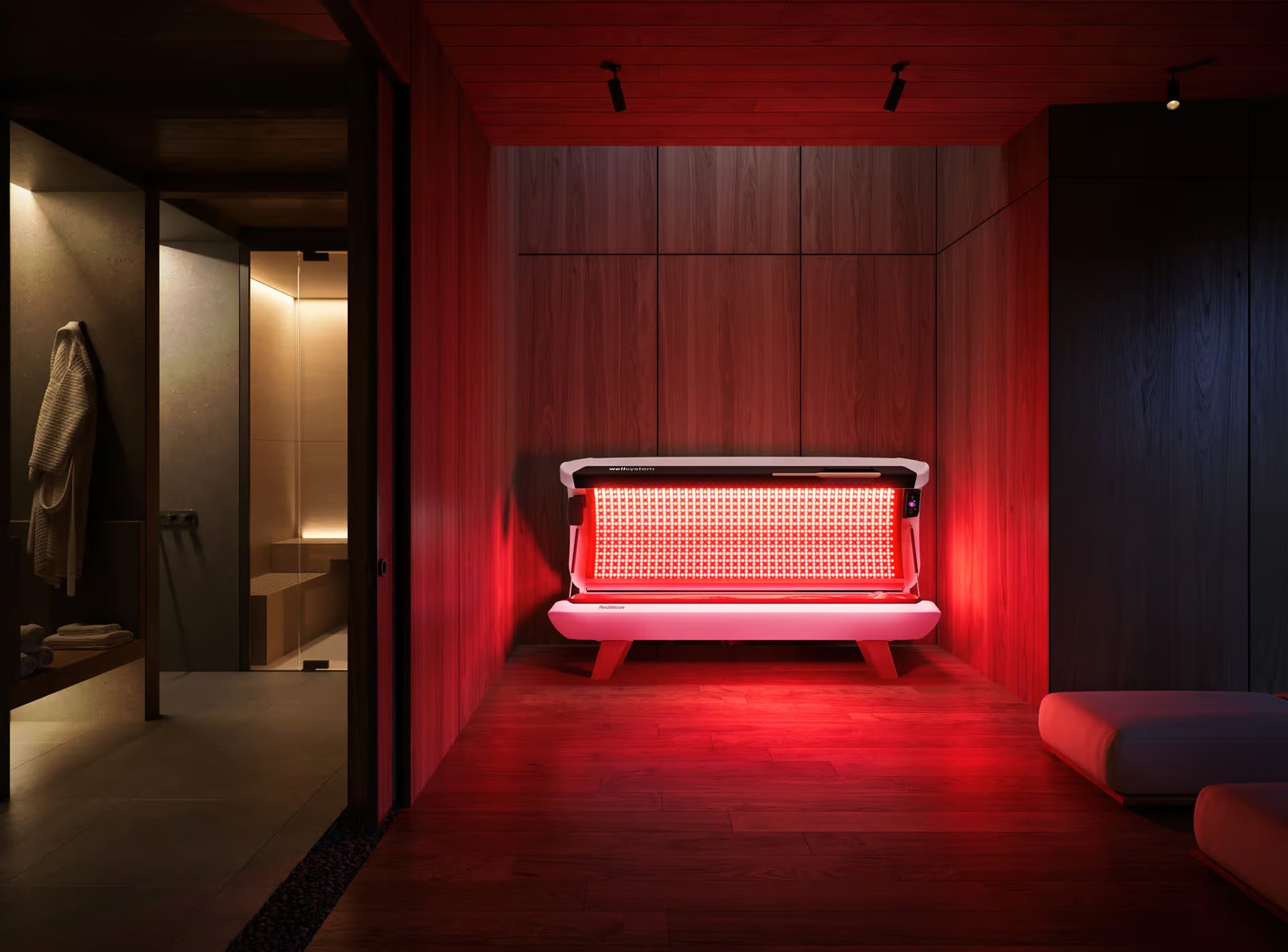
Red light (photobiomodulation) uses defined wavelengths such as 630, 660 and 850 nm. A professional full-body session takes only around 10–20 minutes lying down. Attractive for operators: short sessions, high throughput, easy integration into studio, practice or spa workflows. The key is the distinction between professional and consumer: a €500 panel and a system with over 4,400 LEDs are worlds apart in coverage, output and marketability.
At a glance
Wavelengths
630, 660 and 850 nm
Session length
approx. 10–20 min (full body)
Professional system
over 4,400 LEDs
Staff
easy to delegate
Core metric
repeat use
Cooling
silent cooling (quiet operation)
Award
German Design Award (RedWave)
What is red light / photobiomodulation?
Photobiomodulation refers to the application of red or near-infrared light. Professional systems like the RedWave combine red and near-infrared light across thousands of LEDs for a full-body session in 10–20 minutes. Communicate about process, comfort and suitability, not medical effects.
Which technical parameters really matter
What matters are the wavelengths used, the actual light output and the body area covered. A full-body system with over 4,400 LEDs and combined wavelengths (630, 660, 850 nm) is in a different league from a small panel. Assess what can be measured.
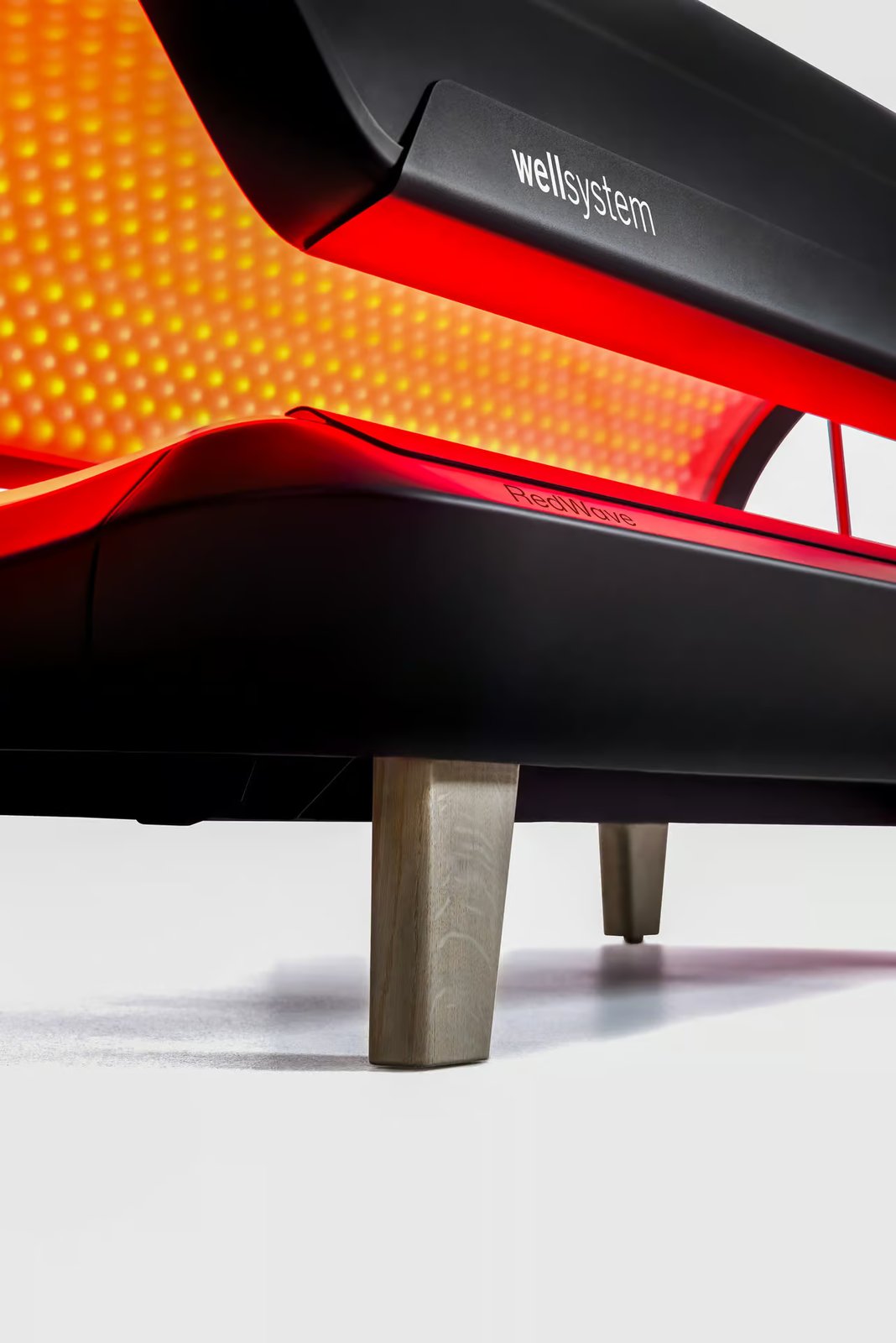
The wavelengths play different roles: red light around 630 to 660 nm is mainly associated with the skin’s surface layers, near-infrared light around 850 nm with deeper tissue layers, without noticeable heat. That difference is what separates red light systems from classic infrared heat lamps.
Professional vs. consumer from an operator’s view
For a business, what counts is whether the application is perceived as premium, runs quickly and fits into the client journey. A consumer panel that just sits there generates no revenue. Details in Professional vs. consumer panels.
Why red light integrates well commercially
Because a session takes only 10–20 minutes and is easy to understand, red light is easy to delegate to staff and fit into existing workflows. That creates the conditions for repeat use, which is the core metric.
Which red light formats are available to operators
| Format | Example in the portfolio | Fits |
|---|---|---|
| Full-body bed | RedWave, over 4,400 LEDs, 10–20 min | studio, center, spa, practice |
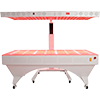
| Modular light system | Lumivera panel above a treatment bed | practice, beauty, flexible rooms |
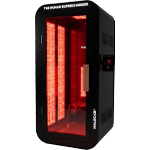
| Salt & red light combination | HaloRed / HaloCab cabins | wellness, hotel, studio |
| Consumer panel | small wall panels | home use |
The full-body bed offers the highest throughput because the whole body is covered at once. Modular systems such as the photobiomodulation system are more flexible in the room. Cabin solutions combine red light with other stimuli and work particularly well as experience offers.
What red light needs in daily operation
- Space: a bed with access, ideally in a quiet, darkened room.
- Staff: short onboarding, then easy to delegate; protective eyewear and hygiene belong in the process.
- Booking: short slots of 20–30 minutes including changeover.
- Suitability check: people with light sensitivity or certain skin conditions should clarify in advance whether the application suits them.
Which facilities red light pays off for
Red light is the most versatile technology in the longevity portfolio. In a gym, it fits as post-workout recovery; in a beauty salon, as a skin-appearance component; in a practice, as a delegable self-pay service; in a hotel, as a calm spa application. In every case, the deciding question is the same: does the client come back? Details on the full-body system are on our RedWave red light therapy page.
HF Concepts Check: how we rate the full-body red light system by facility type
In the HF Concepts Check, we score nine criteria from 1 to 5: client benefit, plausibility & regulation, target fit, investment, marketability, integration, time & staff, earnings and differentiation. The score always applies to a specific facility type. Select the facility that matches yours in the scorecard.
Our assessment after reviewing the technology, based on typical facilities of each type. No guarantee for any individual case.
Beauty salon (39): short sessions, high demand and ideal for series; communication about skin appearance needs care.
Gym (38): the perfect frequency anchor after training, easy to delegate and easy to sell.
Private practice (34): a solid, low-staff self-pay service, but less differentiation because red light is widespread.
Hotel & spa (33): fits calmly into the spa menu but isn’t a reason to book on its own.
Common mistakes we see in projects
- Panel instead of a system: small panels quickly look cheap in a business and lengthen sessions.
- Wavelength marketing without data: measurable values matter, not buzzwords on a data sheet.
- Medical promises in advertising: red light is a wellness application; claims about diseases are off-limits.
- No integration into the journey: red light sells best as a complement, e.g. after training or before a facial.
Conclusion
Red light is the most versatile and easiest-to-integrate technology in the longevity space: short sessions, easy to delegate, broad target group. The difference between a device that sits unused and an offer that gets rebooked comes down to system quality, room impact and integration into existing workflows. Get those three right, and red light becomes a reliable frequency anchor.
Frequently asked questions
What is photobiomodulation?
The application of red or near-infrared light at defined wavelengths, in wellness settings to support recovery and well-being.
How does a red light session work?
The system emits light at specific wavelengths, usually red (approx. 630 and 660 nm) and near-infrared (approx. 850 nm). The person lies in the full-body system for 10–20 minutes.
How often should it be used?
Typically over several weeks with several sessions per week.
Is red light safe?
Used correctly, red light is considered well tolerated; overexposure should be avoided and suitability clarified in advance.
Do you need special equipment?
Yes, dedicated red light modules are needed to deliver the right wavelengths safely and evenly.
What is the difference between red light and an infrared lamp?
Red light systems use defined wavelengths in the red and near-infrared range and produce little heat. Classic infrared lamps rely mainly on heat.
How much space does a red light bed need?
A full-body bed needs its footprint plus access on one side; a small, quiet room is usually enough.
Can red light be combined with other applications?
Yes, typical combinations are red light after training, after cold applications or as part of beauty and longevity packages.
Transparency: HF Concepts sells some of the technologies discussed here. That’s why we assess against clear criteria and advise against a purchase when the fit is missing.
Note: All information is general, non-medical information. The applications discussed are wellness and recovery applications and do not replace medical advice.