
 Electric cryo chamber
 Thermal contrast
 Ice bath 2.0
 Dry Floating
 Lymphatic drainage
 Multisensory Regeneration Cabin
 IHHT altitude training
 HBOT Oxygen chamber
 Water Plasma Application
 Red Light Therapy
 Photobiomodulation
 Cell regeneration
 Endolaser
 HaloCab Human Supercharger
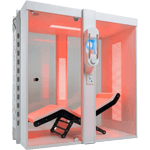 Salt & Red Light
 Vibroacoustics
 Magnetic Field Applications
 Back therapy system
 WeberBrain
 Pelvic floor training
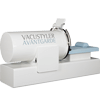 iFlow® IVT Therapy
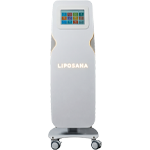 Frequency ultrasound
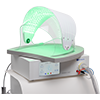 Dermio Care Plus
 Lounge equipment
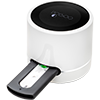 Health of Point Diagnostics
 Body analysis
 FRAS 5
 Mobile HRV measurement

Short answer
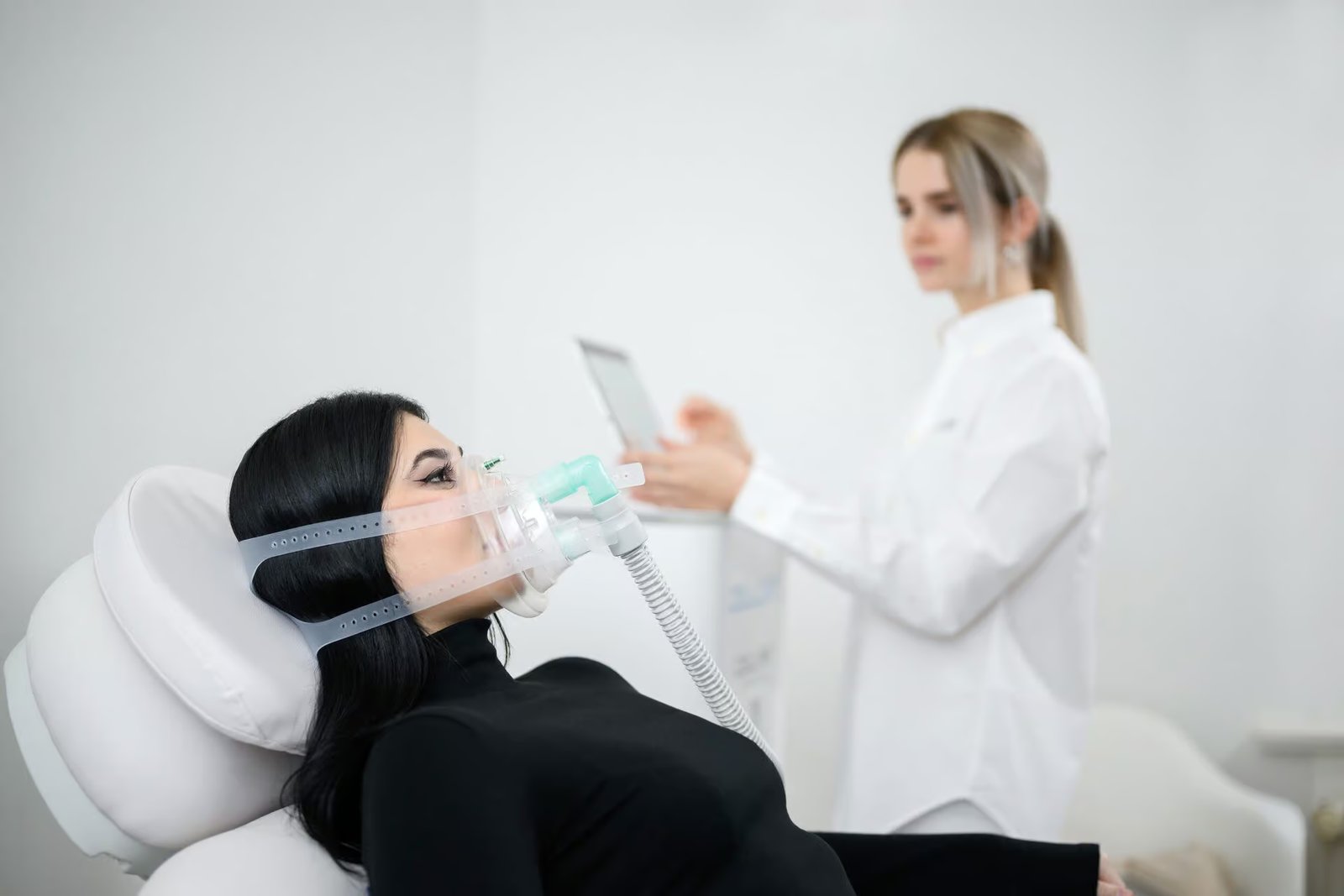
IHHT simulates altitude air while lying down: in a session of about 30–50 minutes, oxygen-reduced and oxygen-enriched phases alternate via a breathing mask, controlled by biofeedback. For operators, it is most relevant to practices, longevity centers and hotels with regular clientele. Space and power requirements are low; staff time is the deciding factor. Commercially, IHHT works through program and membership logic, not single sessions.
At a glance
Session length
30–50 min
Typical series
4–6 weeks, 2–3 sessions per week
O₂ in hypoxia phases
usually 9–15 %
Client price (Germany)
approx. €50–70 (self-pay), €70–100 (physician/practitioner)
Cost driver
staff time, not space or power
Hypoxia range (devices)
down to 9 %, or 7.5 % for med versions
Models
5 versions, from start to med advanced
What IHHT is and what it isn’t
Intermittent hypoxia-hyperoxia training simulates altitude training in a relaxed reclining position. Via a breathing mask, the system creates alternating oxygen phases. Important for your communication: IHHT is a training concept, not a medical promise. Stay credible by distinguishing plausibility, evidence and practical experience.
What does an IHHT session look like?
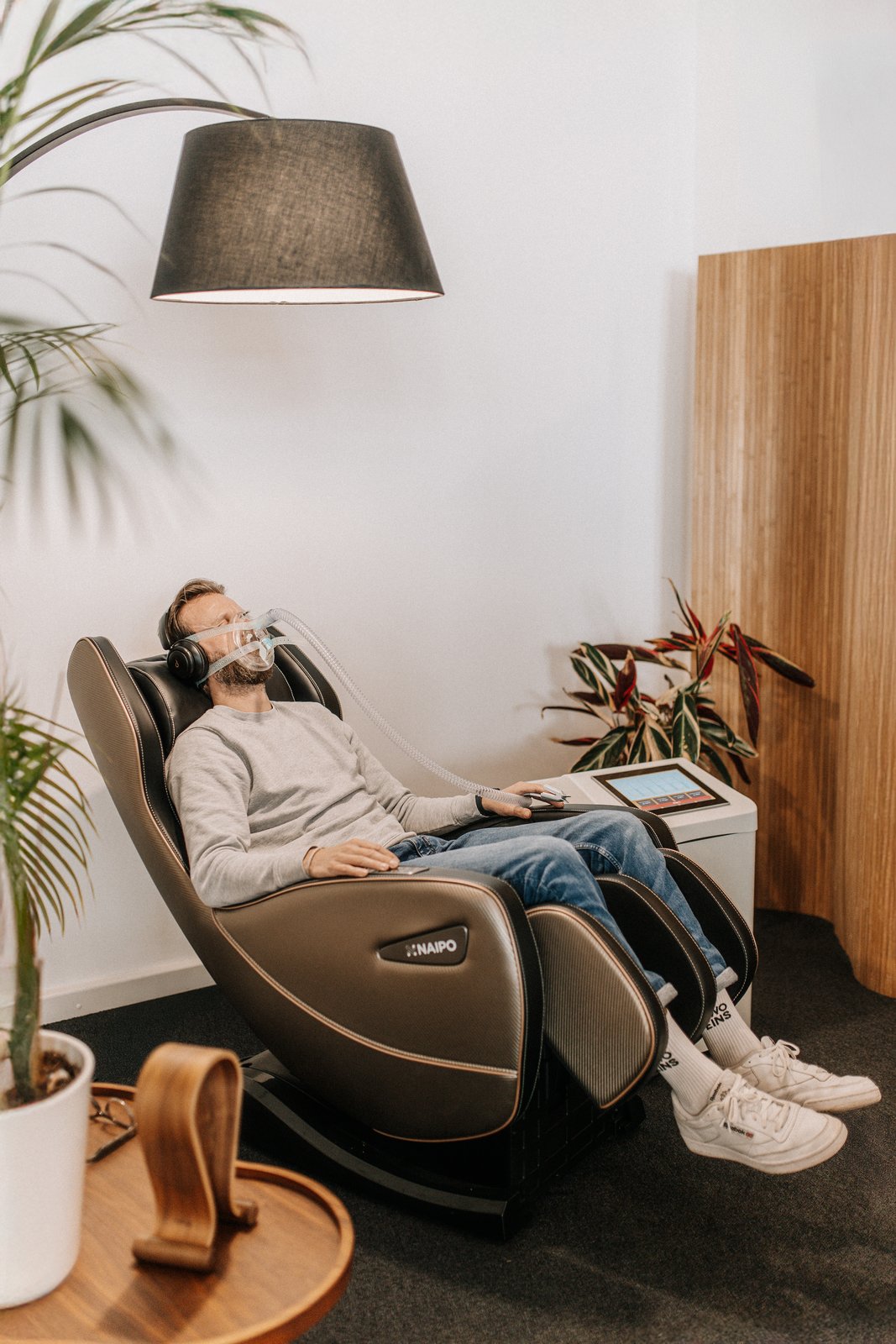
A short test at the start determines the dosage. Training then alternates between hypoxia and hyperoxia phases while a biofeedback system monitors oxygen saturation. For planning, onboarding and supervision time count as much as session time.
Much of the process runs automatically: the integrated biofeedback continuously monitors oxygen saturation and adjusts the intervals in real time. Hypoxia and hyperoxia phases typically last three to five minutes each. The system is controlled via a tablet app with user profiles, ready-made programs and individual settings. Higher versions also fully integrate HRV measurement.
For operations, this means the technology takes over the fine control, but not the supervision. Onboarding, the initial consultation and explaining the readings remain the team’s job.
What does IHHT cost to operate?
The operating factor isn’t power or space, since IHHT needs little floor space. It’s staff time per session, plus maintenance and training. In Germany, client prices are around €50–70 (self-pay) or €70–100 (physician/practitioner). What counts for the operator is realistic utilization against full costs. I show how to calculate that in The Utilization Trap.
Which hypoxbreath® version fits which facility?
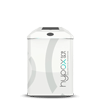
The hypoxbreath® system comes in five versions. The choice depends less on budget than on facility type and whether a medical device is required.
| Version | Target group (manufacturer) | Key feature |
|---|---|---|
| hypoxbreath® start | private users, athletes | hypoxia down to 9 % |
| hypoxbreath® | commercial users such as physios, practitioners, personal trainers | biofeedback and HRV integrated |
| hypoxbreath®-med | physicians, clinics, rehab centers | medical device MDR class IIa, hypoxia down to 7.5 % |
| hypoxbreath® advanced | studios, training centers, hotels, retreats, lounges | multilevel phase control |
| hypoxbreath®-med advanced | larger practices, clinics, sports medicine centers | medical device plus multilevel control |
All versions offer hyperoxia up to 34 % and can be updated remotely. They are made in Germany; the manufacturer is certified to DIN EN ISO 9001 and ISO 13485. Hotels and studios usually need the advanced version, medical practices a med version.
Which facility type is IHHT suited for?
We would decide differently for a hotel than for a private practice. IHHT depends on repeat use: only in combination with diagnostics (e.g. HRV) and a multi-week cycle does it generate the contribution margin that carries the investment.
| Facility type | Assessment | Typical format |
|---|---|---|
| Private practice / physio | well suited if supervision is planned | 4–6 week series, self-pay |
| Longevity center | very well suited | program module, membership |
| Hotel & resort | suited for longer stays | retreat or longevity package |
| Gym | suited as a premium component | activation before training, upgrade |
How to sell IHHT without overpromising
IHHT needs explaining. Guests and patients grasp the idea of “altitude air while lying down” quickly, but they only book once process and effort are clear. Three building blocks work well: a short trial session with measurement, a fixed multi-week package and a closing consultation showing the HRV trend.
Talk about training, process and measurability, not medical effects. Phrases like “altitude training without physical exertion” or “oxygen training at rest” are clear and credible. All versions and technical data are on our page for the IHHT altitude training device.
HF Concepts Check: how we rate IHHT by facility type
In the HF Concepts Check, we score nine criteria from 1 to 5: client benefit, plausibility & regulation, target fit, investment, marketability, integration, time & staff, earnings and differentiation. The score always applies to a specific facility type. Select the facility that matches yours in the scorecard.
Our assessment after reviewing the technology, based on typical facilities of each type. No guarantee for any individual case.
Longevity center (36): IHHT fits best here because programs, diagnostics and membership are already part of the business model.
Private practice (33): the MDR-certified med versions strengthen plausibility and positioning; staff time remains the bottleneck.
Gym (30): interesting as a premium component before training, but only with an upgrade or package price.
Hotel & resort (29): strong as a retreat component for longer stays, weak for short breaks because the series is missing.
Common mistakes we see in projects
- Single sessions instead of programs: IHHT only delivers its commercial value in series over several weeks.
- Wrong device version: a practice with medical claims needs a different version than a gym.
- Underestimated supervision: biofeedback controls the phases, but it doesn’t replace consultation and supervision.
- Unused data: not showing the HRV trend wastes the strongest reason for a follow-up series.
Conclusion
IHHT is technically mature, space-saving and easy to integrate into practices, longevity centers and hotels. Whether it pays off depends not on the device, but on the format: programs with measurements, clear supervision times and communication about training and process rather than medical effects. Clarify these three points before investing, and IHHT becomes an offer that retains clients for weeks.
Frequently asked questions
What is intermittent hypoxia-hyperoxia training (IHHT)?
A form of simulated altitude training in which low-oxygen and high-oxygen breathing phases alternate. Results depend on constitution and goals.
How long, how often and how intense should IHHT be?
A session lasts 30–50 minutes; 2–3 sessions per week over 4–6 weeks are common. In hypoxia phases, oxygen concentration is usually between 9 % and 15 %.
Is IHHT covered by health insurance?
In Germany, statutory health insurance currently does not cover it; private insurers may, which needs to be clarified individually.
How much does IHHT training cost?
In Germany, self-pay training sessions cost around €50–70, sessions with physicians or practitioners around €70–100.
Are there side effects?
Mild headaches may occur at the beginning and usually disappear a day after the session.
Which IHHT device do I need for a hotel or studio?
For commercial users such as studios, hotels and lounges, the hypoxbreath® advanced version with multilevel phase control is usually intended. Medical practices typically choose a med version.
How much staff does IHHT require?
The biofeedback system controls the phases. Staff are needed for onboarding, consultation and supervision; depending on the room concept, several users can be supervised in parallel.
Transparency: HF Concepts sells some of the technologies discussed here. That’s why we assess against clear criteria and advise against a purchase when the fit is missing.
Note: All information is general, non-medical information. The applications discussed are wellness and recovery applications and do not replace medical advice.